JEDDAH, 24 October 2004 — War-shattered Iraq, which will “certainly benefit from a peaceful situation like any other country,” has great potential for growth. It can be a good engine of growth in the region, International Monetary Fund Managing Director Rodrigo de Rato said here yesterday.
Speaking to Arab News in an exclusive interview after holding a meeting with the finance ministers and central bank governors of the Gulf Cooperation Council, Rato said what was urgently required was a negotiation between Iraq’s creditors and debtors.
“There is world consensus that Iraq needs debt reduction in a sustained way. We’re doing various things. We’re working with them to assess their needs to promote programs with a view to financing them. At the same time, we are assessing creditors,” he said. Iraq’s debts total $134 billion.
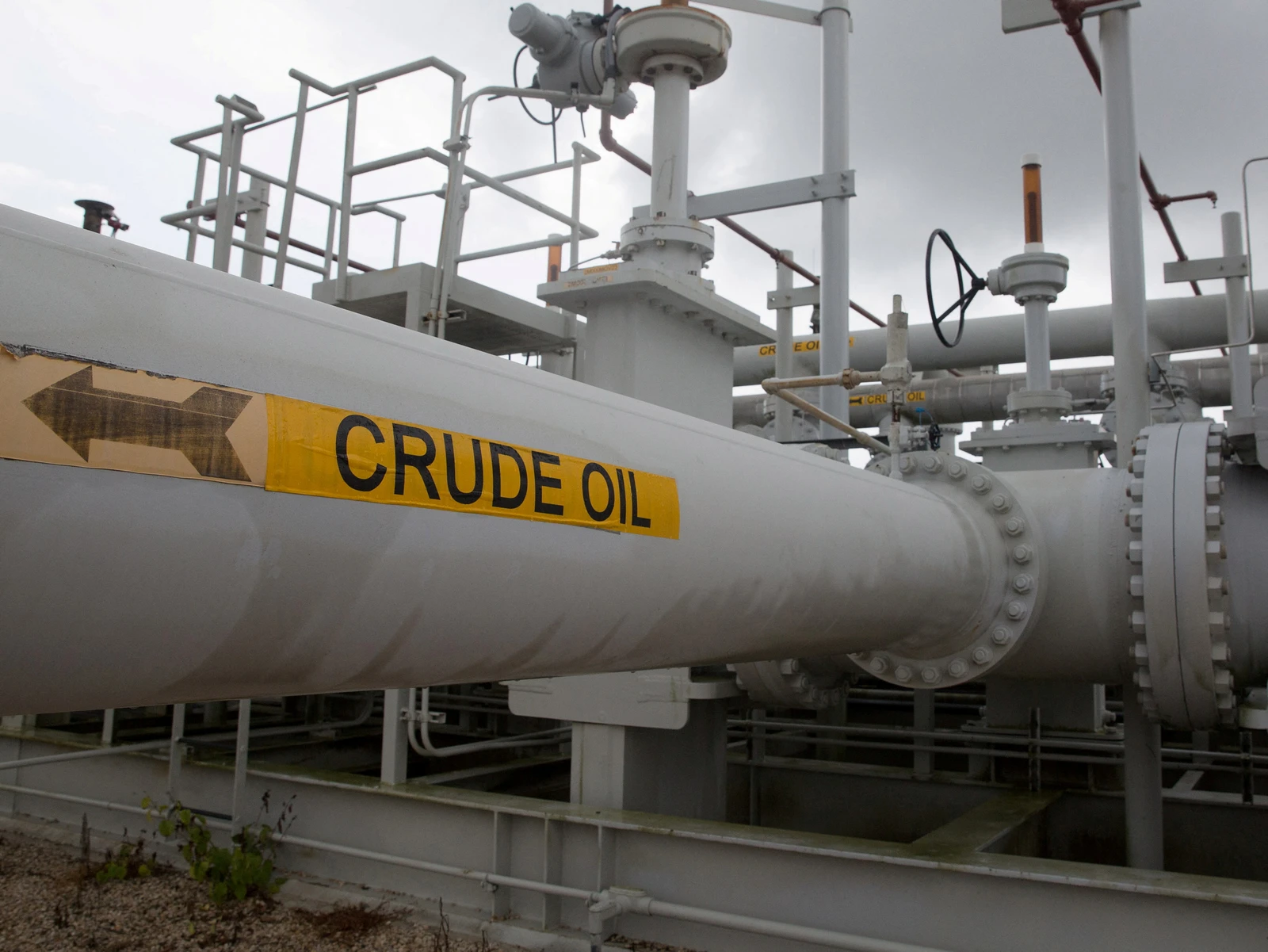
Rato called on oil-producing nations to boost investment in production facilities in response to rising oil prices which, he said, would have a clear impact on growth. “Oil producing countries have to respond to this new crisis with an increase in investment in oil production,” he said.
“The global economy is experiencing strong and broad-based growth. I welcome the GCC authorities’ firm commitment to help maintain stability in the oil market by increasing production in response to the growing demand, thus helping to sustain the ongoing global economic expansion. I also endorse strengthening economic cooperation among the GCC countries supported by sound macroeconomic and structural policies, which will foster steady and sustainable economic development across the region,” he added.
Giving an overview of the world’s economic outlook, Rato had a word of praise for Turkey, “as this will be the most dynamic country in the world in 2004 with a very strong growth.”
He noted that the GCC countries have witnessed unprecedented economic and social transformation in recent decades. “They have accumulated large official foreign assets, maintained relatively low external debt levels, and modernized infrastructure significantly. These are achievements that reflect positively on management of oil wealth, and show the fruits of opening borders to trade, capital and labor,” Rato said.
The Middle East, and particularly the GCC, has benefited from the global rebound which contributed to the sharply higher demand for oil and other exports, he added. “Higher international oil prices over the past two years have helped strengthen the financial position of the GCC significantly. Authorities in the GCC have been using the higher oil revenues prudently by building up assets and reducing debt, as appropriate, and also allocating resources for the priority social sector programs and infrastructure development,” he said.
Rato said new challenges were emerging. “Non-oil growth will need to increase in a sustained fashion to address the intensifying unemployment pressures in the GCC and the financial dependence on volatile oil export receipts will have to be reduced. I welcome the efforts of the GCC to address these challenges by accelerating reforms. Undoubtedly, increased regional integration culminating in an efficient monetary union will also help the region’s economic prospects,” Rato said.
Being in a new environment of high oil prices the world will have to adjust to emerging realities, Rato said. “There has to be better transparency on productivity and the role of speculation must be reduced to the advantage of everyone,” the IMF chief told Arab News. “With new oil prices, new investments are going to increase. Governments as well as public and private sectors will invest in refineries, finally,” he said when asked for his comment on his earlier statement calling for investment in oil production. The Kyoto accord, which discourages such investments, promotes investments in alternative energy sources. “However, governments and public and private sectors will invest,” Rato emphasized.
New oil prices show clearly that there is a new situation between supply and demand. “This demands that both producers and countries take note of it,” he said, calling on consumer countries to pay attention to energy diversification. “Consumer countries have to diversify their resources of energy production and let the consumer realize the true cost of energy. As for producers, they have to respond to the new demand, new capacity,” he said. He was glad that this region was doing it.
About China, he said it would be to its advantage if its “very rigid” exchange rate became flexible. “In fact, China should start discussing what exchange rate system will be better suited for it,” he said and emphasized the IMF’s readiness to provide technical assistance to ease its rigid exchange rate system. In fact, he added, China accounts for more growth contribution and is the second largest economy in the world. India, too, is moving in a very strong direction. He offered the fund’s readiness to the new Indonesian government toward its policy of reforms and reducing unemployment. “We’ll collaborate with them toward this direction,” Rato said.
During the meeting with the GCC ministers, GCC Secretary-General Abdulrahman Al-Attiyah sought observer status for the six-nation organization at meetings of the International Monetary and Financial Committee (IMFC), part of the IMF. He told Rato that the regional bloc would “greatly appreciate his help in granting the GCC an observer status in the IMFC.” “With progress in implementation of the GCC monetary union, it would be very helpful if the GCC can participate in the IMFC meetings,” Attiyah added.
The committee has 24 members who are governors of the IMF (generally ministers of finance or central bank governors). A number of international institutions, including the World Bank, participate as observers in the IMFC’s meetings.