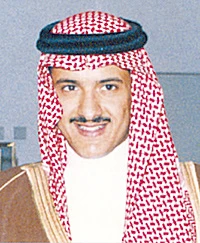
JEDDAH, 18 November 2004 — Prince Sultan ibn Salman, secretary-general of the Supreme Commission for Tourism (SCT), has met a number of holidaymakers and visitors at tourist resorts in Jeddah and heard their ideas and proposals to develop domestic tourism. He also met a number of businessmen who are investors in tourism projects.
“The commission is interested in working with its partners including investors and businessmen to promote domestic tourism,” Prince Sultan told reporters. He discussed with businessmen how to meet the requirements of the growing number of tourists and holidaymakers who come to the city from inside and outside the Kingdom in summer as well as during Eid holidays. The prince commended businessmen for putting their money into the tourism sector and for encouraging young Saudis to work in a rapidly expanding industry.
According to Dr. Abdul Ilah Al-Muayyed, chairman of the tourism committee at the Riyadh Chamber of Commerce & Industry, the total amount spent by tourists in the Kingdom in 2002 was SR63.5 billion ($17 billion).
“Domestic tourism now accounts for about nine percent of the GDP and its revenues exceed that of the industrial sector,” Muayyed told Asharq Al-Awsat, a sister publication of Arab News. He expects the tourist industry to become the second largest income earner after oil.
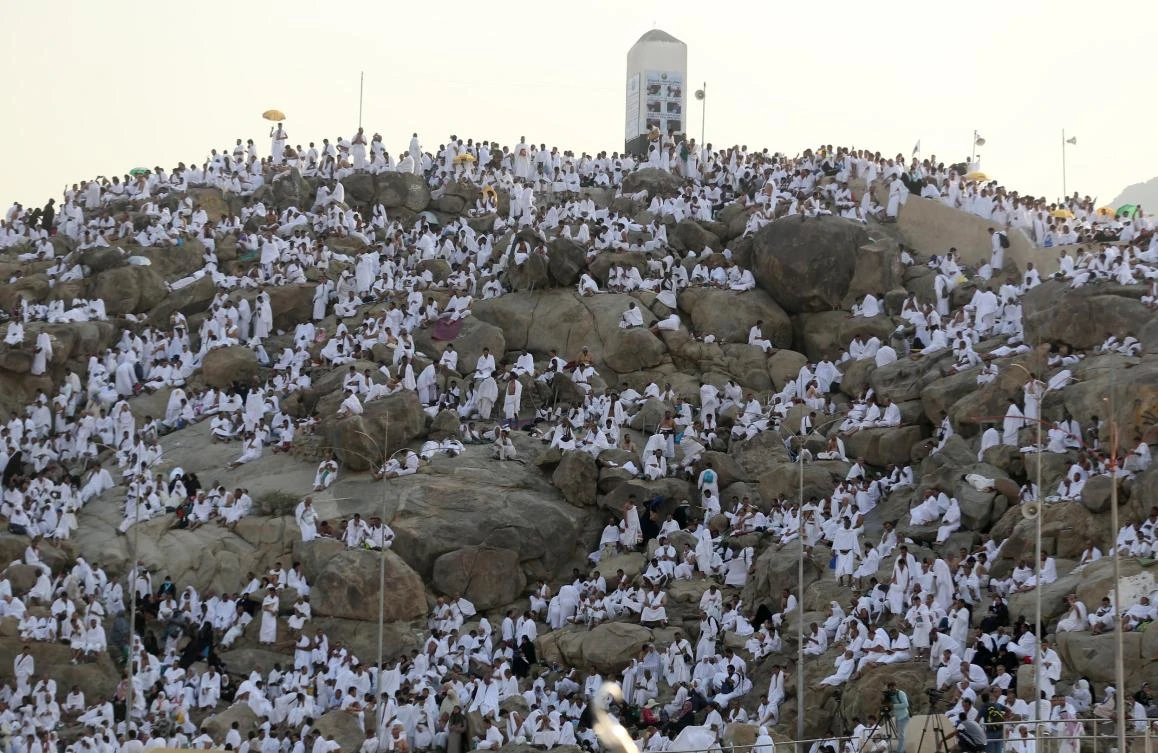
Saudi Arabia, which has a large number of historical sites, resorts, natural attractions, shopping centers and other points of interest has the potential to attract a large number of tourists from around the world, especially from Islamic countries. More than five million pilgrims come from beyond the Kingdom’s borders annually to perform Haj and Umrah.
The SCT has so far documented 10,000 natural, historical and cultural sites in the Kingdom. These include 1,679 archaeological sites, 184 sites related to the Prophet (peace be upon him), 143 Saudi historical sites, 58 literary heritage sites, 1,249 sites related to customs and traditions in addition to 369 sites related to handicrafts and cottage industries. The Kingdom also plays host to 534 literary and story-telling events and 61 folklore festivals, including the annual Janadariya festival.
SCT predicts that the number of tourists will increase from 20.8 million in 2000 to 45.3 million in 2020. This number includes 34.4 million domestic tourists and 10.9 million international tourists, mainly from the GCC and other Arab countries. The Kingdom needs an additional 50,000 hotel rooms and 74,000 furnished units by the year 2020 to meet the expected number of tourists.
Asked about the main reasons for the growth of domestic tourism in recent years, Moayyed said most Saudis, who were spending more than $25 billion on foreign tourism, stopped going to America and Europe for holidays after 9/11. “Instead of going to Western countries, Saudi tourists either changed their destination to Arab states or turned inward,” he pointed out.
Religious tourism plays a big role in strengthening the Saudi economy. “Of the 7.5 million international visitors who came to the country in 2002, 22 percent came for Haj and 36 percent for Umrah,” he said.
Muayyed estimated the total number of domestic tourist flights in the same year at 57.6 million with total spending of some SR50.7 billion ($13.5 billion). About 37 percent of these flights were for holidays, 25 percent to perform Umrah and 26 percent to visit relatives, he explained.
Muayyed acknowledged that there are some problems facing the Kingdom’s tourism industry. “At present we are trying to promote cultural domestic tourism and encourage foreigners to visit the Kingdom,” he said, and emphasized the need to soften regulations. He noted SCT’s efforts to boost tourism in various parts of the country, especially Abha, Baha, Jeddah, Riyadh and Hail.