
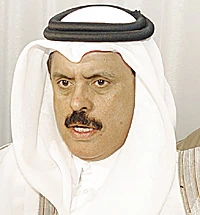
JEDDAH, 26 November 2004 — Vital economic topics such as GCC common market, monetary union and single currency will top the agenda of the GCC annual summit scheduled to be held in Manama on Dec. 20, according to Abdul Rahman Al-Attiyah, secretary-general of the six-member group.
The GCC chief denied suggestions that the summit would be postponed. “There is no change in the date. It will be held in the Bahraini capital Manama as scheduled on Dec. 20 and will continue for two days,” Al-Jazirah Arabic daily quoting him as saying.
The summit will be preceded by a preparatory meeting by the GCC ministerial committee, which will finalize the summit’s agenda in light of the reports made by different GCC ministerial committees for cooperation in various sectors. “Apart from economic, commercial, military and security issues, the summit will also take up environmental and educational issues as well as matters related to improving the progress and prosperity of GCC citizens,” Attiyah said.
He said the GCC countries were concerned about the worsening security situation in Iraq. “What is happening in Iraq is utter chaos. It’s a matter of great concern for GCC member states,” he added. He said the GCC is keen on preserving Iraq’s sovereignty, territorial integrity, security and stability. “The GCC countries will not interfere in the internal affairs of Iraq,” he said.
In a related development, Dr. Mohsen Khan, director of the department for Middle East and Central Asia at the International Monetary Fund, indicated that GCC states would review the linkage of their currencies with US dollar when a common currency is launched.
Although the linkage with dollar had brought many benefits to GCC states, many observers say the declining American currency could cause the six Gulf countries’ financial losses worth about $50 billion.
The GCC, which groups Saudi Arabia, Bahrain, Qatar, Oman, Kuwait and the United Arab Emirates, plans to establish a monetary union by the year 2010. The GCC summit in Manama in 2000 decided to take dollar as a common fixative for GCC currencies.
Dr. Nasser Al-Qaood, director of finance department at the GCC secretariat in Riyadh, said the GCC finance ministers were weighing three options to the monetary authority. First, establishment of a unified central bank, merging the central banks of member countries. Second, the formation of a Gulf central bank similar to the European central bank, and third the setting up of a committee to coordinate between the central banks of member countries.