JEDDAH, 19 December 2004 — Saudi Arabia is taking extra safety measures to ensure this year’s Haj, which begins in earnest next month, is accident free and also to avoid the kind of stampede during the ritual of stoning the devil that over the past years has claimed the lives of hundreds of pilgrims.
Under a new plan that comes into effect this Haj season, special emphasis would be given to the safety of pilgrims in the sprawling tent city of Mina outside the holy city of Makkah. Extra safety measures will especially apply during the stone throwing ritual. Known as “rami al-jamarat”, or the stoning of the devil, it is considered one of the most important rituals of the Haj.
The stampede accidents usually happen along the bridge leading to the stoning areas where as many as two million pilgrims would be on the move round the clock.
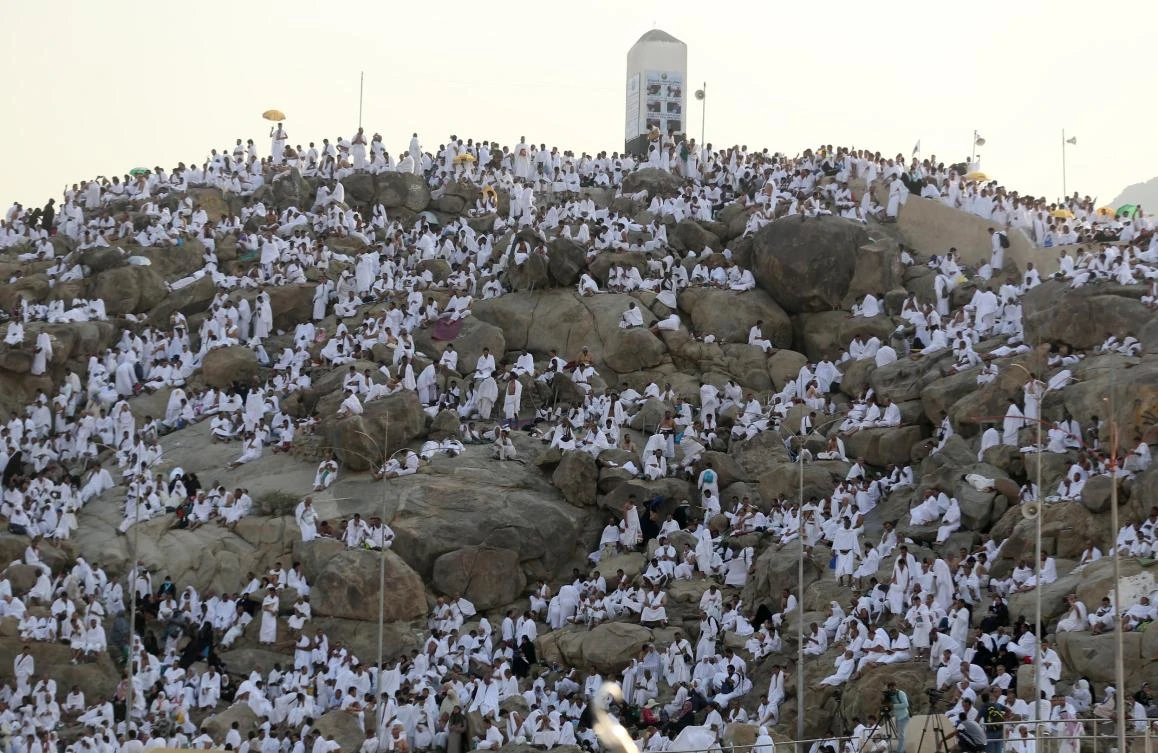
Last year, some 250 pilgrims were crushed to death and an equal number injured in a stampede during the devil-stoning ritual. Panic spread rapidly after some people in the crowd collapsed as many of the two million white-robed pilgrims, chanting “God is Greatest”, surged toward the Jamarat Bridge in Mina.
The government spent over SR100 million this year on temporary projects aimed at improving the situation on the bridge and announced plans for a major SR4 billion project in a bid to end the problem. The expansion of the Jamarat Bridge project has been referred to the higher authorities, and construction could start soon, said Prince Miteb ibn Abdul Aziz, minister of municipal and rural affairs and chairman of the Authority for the Development of Makkah, Madinah and the Holy Sites. The ministry built the fire-proof tent city of Mina.
Following a tour in Mina and other holy sites over the past days, the minister said giant television screens would be mounted along the roads leading to Jamarat Bridge to monitor the movement of pilgrims and control the traffic. The electronic monitoring system would be linked with the tent city to help pilgrims know before leaving their camps the density of the crowds at the stoning area and choose the right time to move to the site. Special lifts will be mounted on the towers overlooking the bridge to expedite rescue operations in case of an emergency.
One problem associated with rescue efforts is that these are hampered by the presence of huge number of people in the jamarat area, transforming the bridge into disaster zone within minutes of the tragedy striking.
A series of recommendations to ensure the safety of pilgrims, especially in the jamarat area, were finalized under a joint effort incorporating the Authority for the Development of Makkah and Madinah and the Holy Sites, the Ministry of Haj and Custodian of the Two Holy Mosques Institute for Haj Research.
Among these is the one calling for encouraging pilgrims to deputize other pilgrims to do the stoning for them to avoid congestion and accidents. The recommendations also call for organizing the movement of pilgrims when descending from Arafat by directing them to their camps instead of having them head straight to the jamarat area.