NEW DELHI, 31 December 2004 — Indo-Saudi relations are clearly on the upswing following increased interaction between the two countries at both political and economic levels.
Though the two countries have been commercially entwined for centuries, close political ties between India and Saudi Arabia can be traced back to the mid-1900s when King Saud visited India followed by Prime Minister Jawaharlal Nehru’s visit to the Kingdom a year later in 1956.
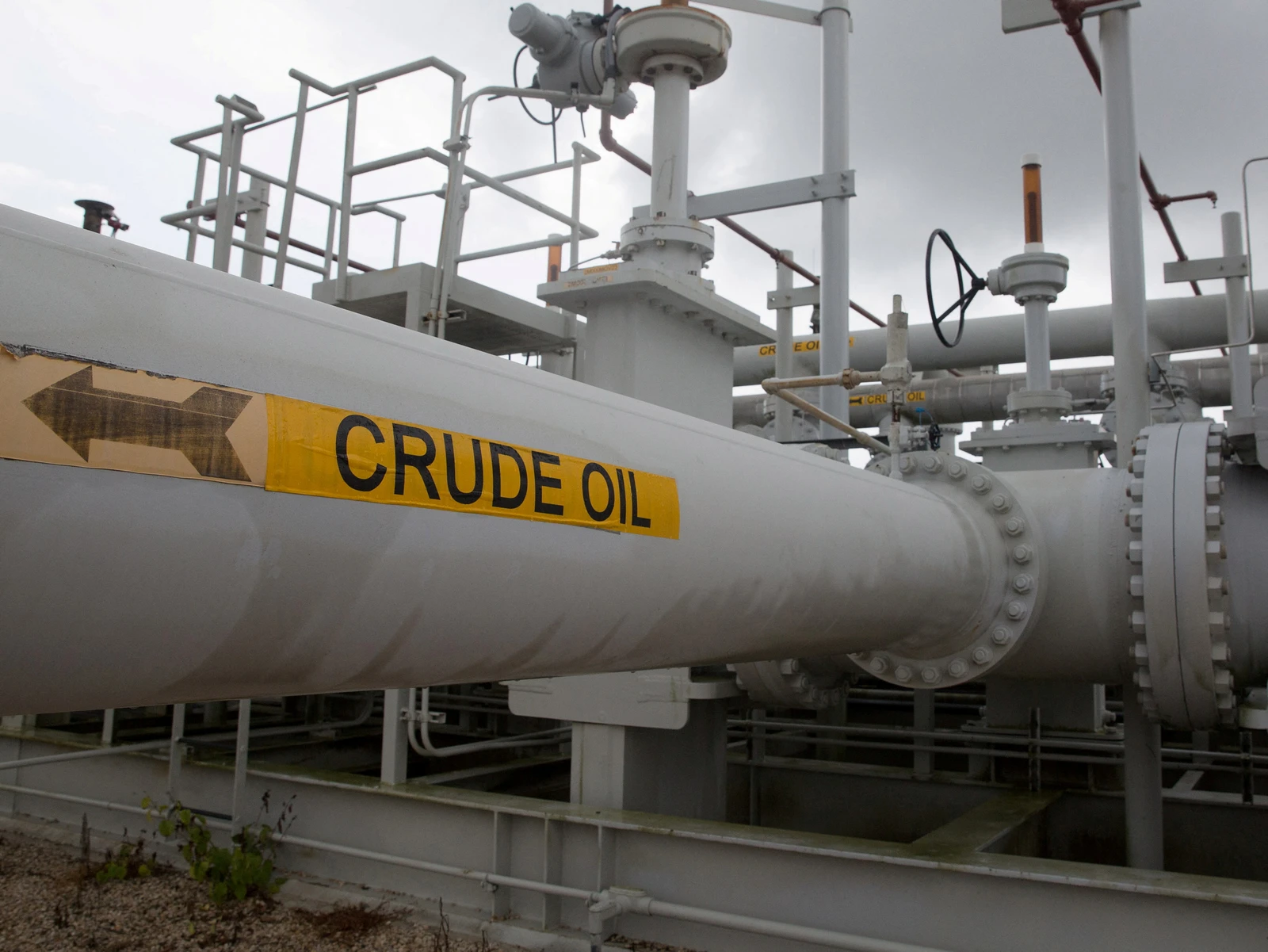
While the stage set around five decades ago has been occasionally subject to slow pace, recent years have witnessed a new momentum in their relations. This is supported by crude oil imports from Saudi Arabia having increased by 41.2 percent to 18.816 million tons in fiscal 2002-03 against the 13.321 million tons in the preceding year. During 2002-03, India’s exports to Saudi Arabia were worth $941 million, while they were around $742 million in 1999-2000.
Arab News spoke to Saudi Ambassador to India, Saleh Muhammad Al-Ghamdi, for his views on the emerging scenario in Indo-Saudi relations. Tracing the historical roots of their relations, the ambassador drew attention to spices in Saudi Arabia being known as Bharatiya. Constitutionally and historically, India is known as Bharat. With one example, Al-Ghamdi thus traced the economic ties of the two countries to several centuries ago.
With India being home to the second largest population of Muslims in the world, their Haj-related interests cannot be missed. While around 100,000 Indian Haj pilgrims visit Saudi Arabic annually, roughly 40,000 Indian Muslims perform Umrah every year.
Over the past two years, Al-Ghamdi pointed out, there has been an increase in the number of Indians employed in Saudi Arabia from 1.5 million to 1.7 million. He attributed the demand for Indian work force to Indians being appreciated as “hardworking, honest and peaceful.”
This is, however, just one of the several dimensions of bilateral ties. At present, while there is little doubt that interaction between both countries is increasing, Al-Ghamdi laid stress on encouraging greater trade and investment on both sides. That they are moving in this direction is supported by the exchange of visits between the two nations.
“We are working toward more visits on both sides,” Al-Ghamdi said.
Taking note of the upswing in bilateral ties, Indian Minister of State for External Affairs E. Ahamed told Arab News: “We are interacting more than ever.”
Besides, efforts are being made to explore cooperation opportunities in new and diverse areas. Ahamed is likely to visit Saudi Arabia next month. The coming year is expected to begin with a high-power Saudi delegation visiting India, sources said.
Saudi Arabia is one of the select countries, where India is looking for investment opportunities to gear up for meeting its increasing energy demands. Petroleum Minister Mani Shankar Aiyer, better known as India’s first oil diplomat, has already formed a panel, as he said, for “enhancing India’s long-term energy security.”
India imports more than 70 percent of the oil it consumes. With it being one of the world’s most energy-intensive economies, within less than a decade, India is expected to import around four times more than it does at present.
Being one of the primary suppliers, Saudi Arabia meets around 25 percent of India’s oil needs. Ambassador Al-Ghamdi said: “We are ready to meet the increasing demand of India for energy needs.”
In this context, the importance of the forthcoming visit of Petroleum and Mineral Resources Minister Ali Al-Naimi cannot be underestimated. There is a likelihood of the visiting Saudi delegation traveling to various parts of India to explore investment opportunities.
Just as India is interested in investment opportunities abroad, so is Saudi Arabia. Their aim is “to encourage investments to the advantage of both sides,” sources said.
There is yet another aspect that takes their bilateral ties beyond the realms of trade and economics. Both the countries have their distinct, traditional and conservative cultural norms. At the same time, both nations are giving considerable importance to moving with the times — be it computer literacy, space age, education, elevation of women’s status, role of media and other areas. Against this backdrop, the governments of both nations are moving toward greater interaction and cooperation in new and diverse areas.