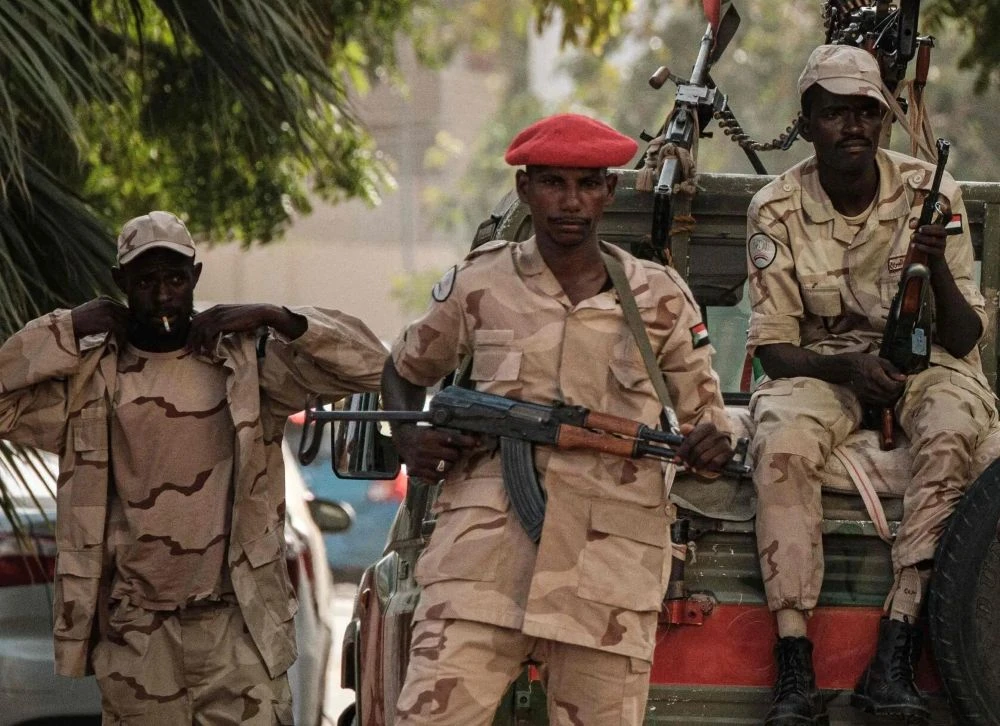
BAGHDAD, 7 January 2005 — Iraq’s interim Prime Minister Iyad Allawi’s government said yesterday it was extending emergency powers equivalent to martial law for a further 30 days to try to safeguard Jan. 30 elections under threat from deadly attacks by insurgents.
The state of emergency, first imposed in November ahead of a major US assault on the rebel stronghold of Fallujah west of Baghdad, would stay in effect into February, Allawi’s government said in a statement.
Emergency powers allow the government to impose curfews, close borders and airports and detain suspects without following normal legal procedures.
The emergency applies to all regions of Iraq except the Kurdish north, which has been relatively stable.
“Since terrorist gangs continue their activities to prevent the creation of a broad representative government and try to impede peaceful political participation of all Iraqis, we have decided to extend the state of emergency in all areas of Iraq except the region of Kurdistan for 30 days,” Allawi said.
In a grim reminder of an insurgency raging nearly 22 months after a US-led invasion, police found the bodies of 18 Iraqi Shiites captured and killed last month on their way to work at a US base in the volatile northern city of Mosul.
Iraqi police also said a female French journalist had been missing since Wednesday and may have been kidnapped. French newspaper Liberation said the journalist was Florence Aubenas, who had been working for the paper in Iraq since December.
Her disappearance came just weeks after the release of French journalists Christian Chesnot and Georges Malbrunot, who were kidnapped in Iraq on Aug. 20.
Iraq’s government says the elections will be the country’s first democratic polls in decades. But violence in the heartland of Saddam Hussein’s Sunni minority has impeded preparations there and many Sunni parties groups are boycotting them, saying unrest and intimidation will prevent many from voting.
Joining the political fray, Lt. Gen. Thomas Metz, No. 2 commander of US-led forces, warned that delaying the election could risk provoking civil war and urged Sunnis to turn out in large numbers.
The country’s 60 percent Shiite majority, long oppressed during Saddam’s rule, is expected to cement its newfound political dominance in the elections. But Sunni leaders say the insurgency — which is strongest in Sunni areas — will only strengthen if Sunnis feel disenfranchised.