JEDDAH, 15 January 2005 — The Ministry of Health (MOH) has ordered an inquiry into the circumstances that led to 2,000 patients arriving at the Eye Hospital in Jeddah in one day to get an appointment with a doctor. It announced plans for the opening of new outpatient clinics to ease the pressure on the only public eye hospital in the city.
The chaotic scene on Wednesday at the hospital was blamed on bad coordination and faulty scheduling of patient visits. More than 2,000 patients arrived at the hospital on Wednesday.
“How come 2,000 people are asked to report on the same day for an appointment? This is a terrible mistake on the part of the hospital management and the people in charge of fixing appointments,” fumed an angry Saudi patient who said he came to the hospital as seven in the morning to spend the whole day without being able to get an appointment.
Many patients had arrived before sunrise at the hospital gates braving the morning cold hoping to get an appointment and return to their work or head home while it was still early. By midday, those who managed to make it to the appointment office said they were told they could see the doctor after four months.
It turned out that the staff in charge of appointments asked every patient who wanted to see a doctor to come on that particular day to get an appointment.
The ministry asked the director of health affairs in Makkah region to file a report explaining the circumstances that led to overcrowding in order for the ministry to take appropriate action.
Minister of Health Dr. Hamad Al-Manie has, meanwhile, said the ministry plans to open new outpatient clinics to ease pressure on the hospital. He also announced the establishment of a new SR500 million medical city in Riyadh.
Jeddah Eye Hospital witnessed unprecedented overcrowding both inside and around the premises that led to traffic jams in all the streets leading to the hospital. Some patients fainted and fistfights broke out among the crowds and between motorists outside. The hospital management said the problem was the result of a mistake in scheduling outpatient visits.
The minister also spoke of plans to raise the capacity of public hospitals in Jeddah and Riyadh and the opening of new medical colleges in Jeddah and the Eastern Province as part of a wider strategy aimed at replacing foreign workers in the health sector with Saudis.
On his ministry’s preparation for Haj, Dr. Al-Manie said the MOH spends SR200 million annually on health projects to ensure the safety of pilgrims. This year, two helicopters and 72 small-sized ambulances will be mobilized to provide quick service to needy pilgrims.
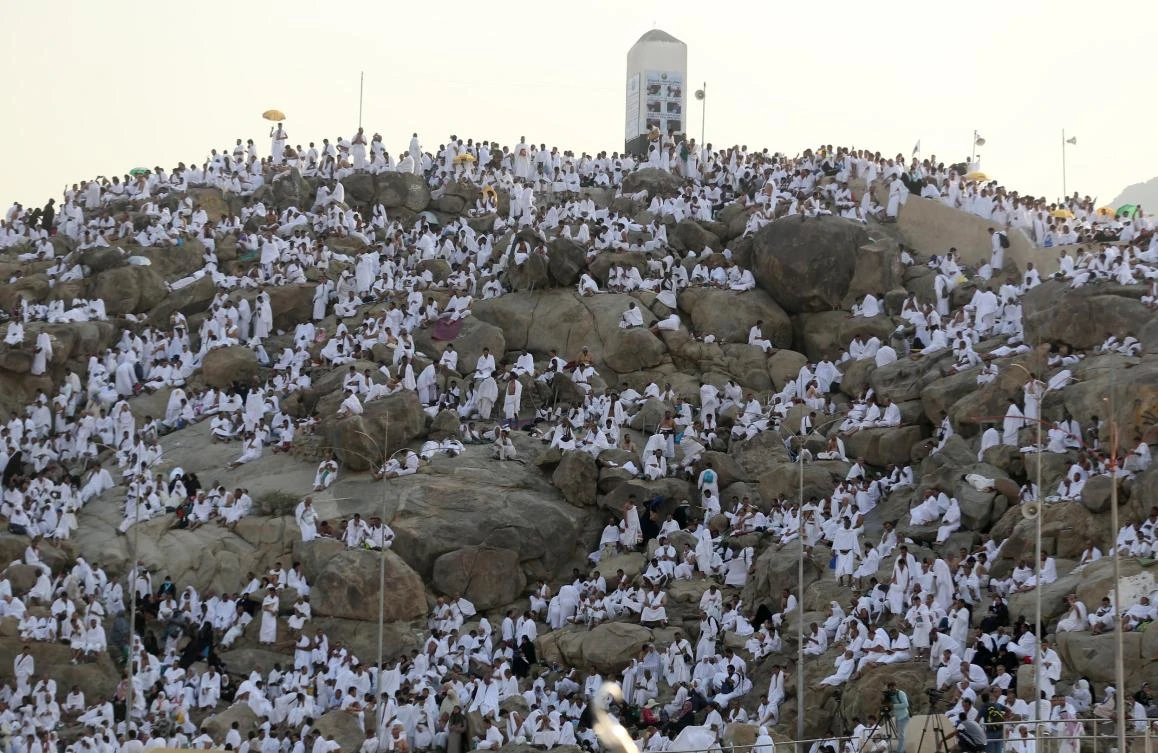
Small ambulances are needed in areas where large numbers of pilgrims gather such as Arafat Mountain, Jabal Al-Rahma and Nimra Mosque.
Mobile hospitals and clinics have been set up all over the holy sites as well as at checkpoints leading into the holy cities of Makkah and Madinah.
The ministry has taken steps to ensure that all pilgrims arriving from outside the Kingdom as well as domestic pilgrims, are vaccinated against meningitis.