LONDON, 16 January 2005 — US-led forces in Iraq have caused irreparable damage to the site of the ancient city of Babylon, contaminating the soil and destroying precious archaeological evidence, the British Museum has reported. According to John Curtis, curator of the museum’s Ancient Near East department, the site has suffered “substantial damage” while being used as a military depot by American and Polish forces for the past two years.
“This is tantamount to establishing a military camp around the Great Pyramid in Egypt or around Stonehenge in Britain,” Curtis charged in his report, quoted by The Guardian newspaper yesterday. “The status of future information about these areas will therefore be seriously compromised,” he warned.
Entire sections of the city had been flattened and graveled over, Curtis said, warning that it would be impossible to remove the gravel without causing serious damage to the archaeological layers underneath.
The report said that 2,600-year-old paving stones had been crushed by military vehicles driving through the ancient Mesopotamian city, one of the world’s most important archaeological sites dating from the third millennium BC.
Curtis also reported that the decorated bricks forming the modeled dragons of the city’s celebrated Ishtar Gate were cracked and dislodged, where people had tried to prise them out from the wall.
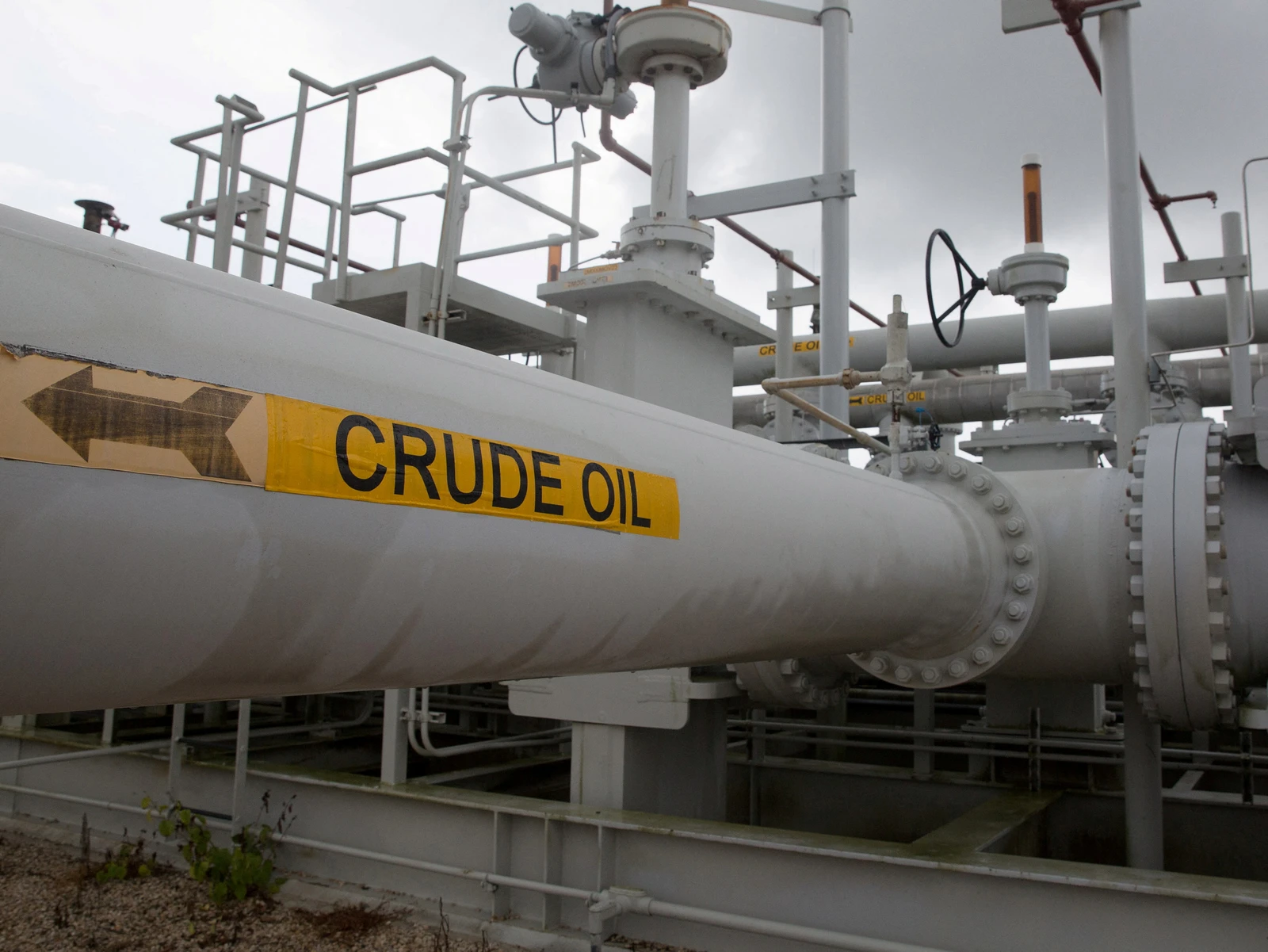
Huge amounts of sand and earth, mixed with precious archaeological fragments, had been dug up to fill sandbags, while fuel had seeped down from tanks into the soil layers beneath, the report said.
He also found broken bricks inscribed with the name of Nebuchadnezzar, ruler from 604 to 562 BC, who rebuilt and expanded the city and built the Hanging Gardens of Babylon, one of the seven wonders of the ancient world.
The British Museum report follows an assessment mission carried out in Iraq in December at the request of a group of Iraqi antiquities experts. Iraqi authorities are due to take back responsibility for the site in a formal handover scheduled for yesterday, according to The Guardian.
Capital of the Babylonian empire, and the site of the Tower of Babel as well as the Hanging Gardens, Babylon rose to greatness under King Hammurabi, who ruled from 1792 to 1750 BC and introduced the world’s first code of law.
Curtis has called for an international investigation to be carried out by archaeologists chosen by the Iraqi authorities, to compile a full inventory of damage sustained at the site, 100 kilometers south of Baghdad.
The report admitted that in the early stages after the overthrow of Iraqi leader Saddam Hussein, US-led forces had helped protect the site from looters, but he regretted the decision to base 2,000 troops on the Babylon site. The US military on Friday defended its decision to set up the base in April 2003, but said that no more earth would be moved at the site and that it was considering moving troops to protect the ruins from further damage.
Curtis said the decision to occupy the site immediately after Saddam probably save it from widespread looting of historical treasures that occurred elsewhere. However he termed the continued military presence “regrettable”. A US spokesman told The Guardian all engineering projects on the site had been discussed with the head of the Babylon Museum and put to archaeologists for review.
Reducing the size of the base was an option under consideration, said the spokesman, Lt. Col. Steven Boylan. “The significance of Babylon is not lost on the coalition”, Boylan said, adding Nebuchadnezzar was recognizable today to the untrained eye.
Poland said it had decided to remove troops from the area when Warsaw realized having a military base there was not “beneficial to the site”. The camp will be formally handed over to the Iraqi Culture Ministry yesterday. “We have moved our operations from camp Babylon and returned that site to the Iraqi people and to scientists because of its importance, not only to Iraq, but to the world’s cultural heritage,” said a spokesman for the Polish-led forces in Iraq.
Meanwhile, an estimated 100,000 Iraqis living in the United Arab Emirates may register next week to vote in this month’s Iraqi election, the international agency in charge said yesterday. “Our best estimate is that roughly 100,000 Iraqis are living in the UAE. We’re not sure who is eligible of those to vote in the elections,” said Michael Burke, head of the International Organization for Migration in the UAE. He said the agency had hired nearly 500 Iraqi staff to help with the Jan. 17-23 registration in Dubai and the UAE capital Abu Dhabi, and the Jan. 28-30 casting of ballots.