JEDDAH, 17 January 2005 — For Muslims, the Haj is the most eventful and memorable sacred journey. It includes hardships as well as rewards. Today’s focus is on the physical and mental aspect of health during Haj.
I want to emphasize that no matter how sincere the intentions of the pilgrims are, health care does not conflict with Islam. Prophet Muhammad, peace be upon him, reminds us, “And your body is entitled to care.”
Haj, the fifth pillar of Islam, becomes mandatory only if the Muslim has both the physical and mental health, as well as the financial capability to perform its demanding rituals. As God says in the Holy Qur’an, “...Hence, pilgrimage unto the Temple is a duty owed to God by all people who are able to undertake it (Chapter 3: Verse: 97). Islam thus emphasizes ability as a condition for performing Haj.
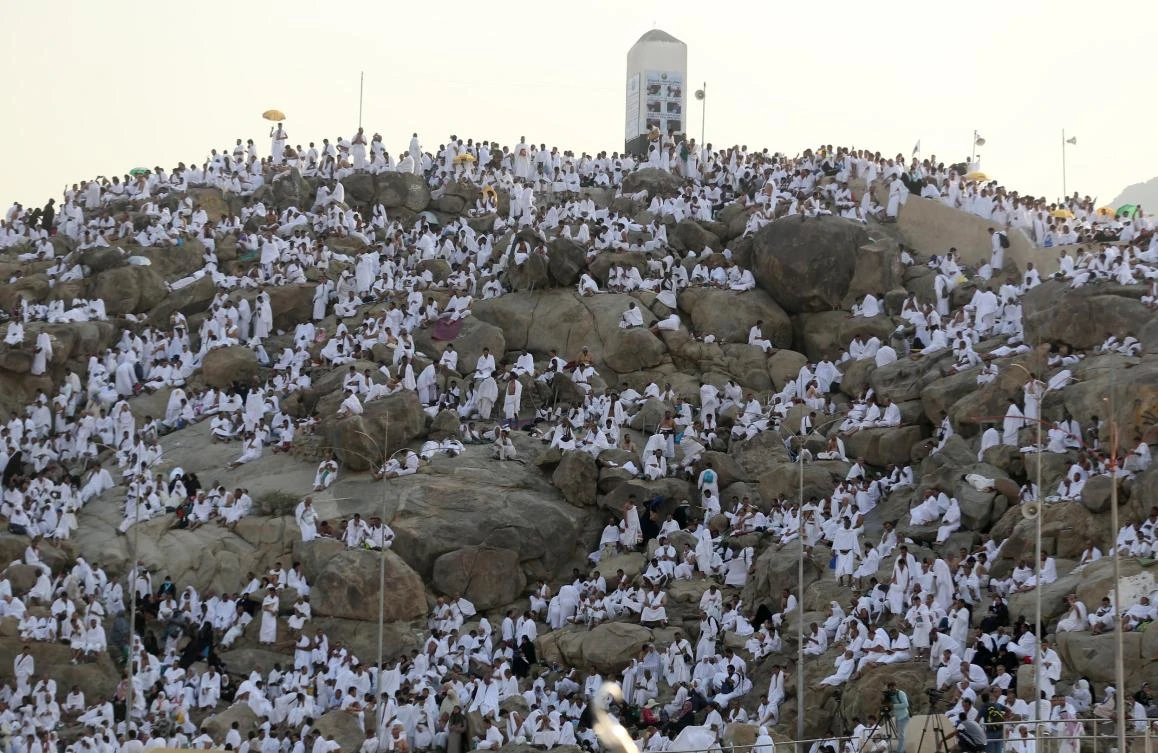
When pilgrims from around the world come to Makkah, what they find is usually beyond their anticipation or imagination. One of the unexpected occurrences is the huge assembly of pilgrims, all gathered in one area, performing the same rituals, facing the same direction, and dressed in simple white clothing. The white outfit signifies spiritual purity and bodily cleanliness. With such a large population in such a confined space under less than perfect conditions, it is impossible to avoid either the fact or the possibility of communicable diseases and illnesses.
To avoid disease, there are measures that should be taken. For the protection of foreign pilgrims as well as local ones, the government mandates vaccines against certain highly contagious and dangerous diseases such as meningitis and cholera. Unfortunately, it is impossible to prevent some sicknesses because of the sheer number of people which produces conditions that lead to the breakdown of the body’s immune system.
It is a given that during Haj people cannot avoid congested areas. Large crowds are everywhere — in the Holy Mosque in Makkah or at Arafat, Mina, Muzdalifa, or just in the streets. As much as possible, one should stay away from overcrowded streets or at least choose a time of the day when they are less crowded. If this is not possible, buy face masks which are available in all pharmacies; to a certain extent, they will minimize contamination from substances in the air.
As for personal hygiene, we should bathe daily at least once in order to remove dust, dirt, germs and contaminants. Washing the hands, face and feet frequently helps keep infections at bay; here are the obvious benefits of ablution five times per day. It is important to cut the nails before making the Haj as dirt and germs easily accumulate under them. Clothes should be practical and easily washable so that they can be laundered daily. If we follow these simple procedures, we will gain the appearance of devout Muslims while avoiding contamination. Islam demands purity of soul, body, mind and dress.
Particular attention should be given to food, not only from the aspect of hygiene but also from that of nutrition. To remove parasites and undesirable microorganisms, raw fruits and vegetables should be treated in a special way. All greens, root vegetables and fruits, as well as all other edible raw plants should be soaked for 15 minutes in water with apple cider vinegar added to it — one tablespoon of vinegar per gallon of water. Vinegar is a good disinfectant, readily available and easily affordable.
Because they are rich in vitamins, minerals, and antioxidants, vegetables and fruits are important for boosting immunity and resisting disease. They increase digestive secretions and help helpful bacteria in the digestive tract destroy yeasts, harmful bacteria and parasites.
With an efficient defense mechanism, our body is capable of warding off infections and contagious diseases. Onion, garlic, ginger, cinnamon, lime and lemon have effective antiviral and antibacterial components that protect against infections and viruses. For loose stool or diarrhea, the undiluted juice of two limes kills bacteria and stops diarrhea. Ginger and lime are good for nausea. Boiled slices of lemon, ginger, cinnamon and honey make a potent remedy for colds and flu. Clear chicken stock made with four whole onions, a head of garlic and ginger is also effective against colds and flu as well as nutritious. Lemon juice reduces fever, too.
Water is essential during Haj. It is important to remember to drink as much as possible for several reasons. Exposure to the sun can be dehydrating even if one does not feel thirsty. Our body systems need six to eight glasses of water every day. The blood and the kidneys depend on it for detoxification. The respiratory system requires water for mucus secretions to stop microbes from harming the body. The digestive tract needs it for lubrication. The eyes, skin and other organs need water for proper functioning. In order to have the benefit of water, it should be clean, pure and free of contaminants. Bottled water is good; the bottles come in different sizes which are easy to carry. During Haj, water is usually distributed to all pilgrims free of charge. Free Zam Zam water is also available in the Holy Mosque. Tap water is usually safe but if you are in doubt, make sure you boil it and, if possible, filter it as well.
Rest and sleep are also necessary for health; sleep is also essential for the maintenance of immunity. It gives the body time to recover from daily physical and mental stress caused by performing the rituals of Haj. Remember that Haj is demanding and is expected of the fit and physically able; enough sleep gives pilgrims the energy required to complete the rituals.
By following this advice during Haj — and all the time — we will foster a good defense mechanism which influences physical and mental health, increases spirituality and make the Haj meaningful, pleasurable and rewarding.
(Mariam Alireza is a holistic science specialist. Send comments to [email protected].)