JEDDAH, 6 February 2005 — The significance of the Counterterrorism International Conference that started yesterday in Riyadh has not been lost on people across the Kingdom who view it as proof of Saudi Arabia’s determination to eliminate this evil and cooperate with other countries and global organizations.
“Islam means peace, and the Kingdom is a thoroughly Islamic country following its tenets and adhering to peace like glue,” said Dr. Abdul Aziz Muhammad Al-Singergy of Egypt, who was here to perform Haj. “It has been cooperating with world bodies and countries to counter terrorism and promote peace and brotherhood.”
“The media focus on the event will beam a similar message, and the Kingdom’s determination to fight and root out terrorism,” he told Arab News at the Saudia Terminal here while he was waiting for his flight home.
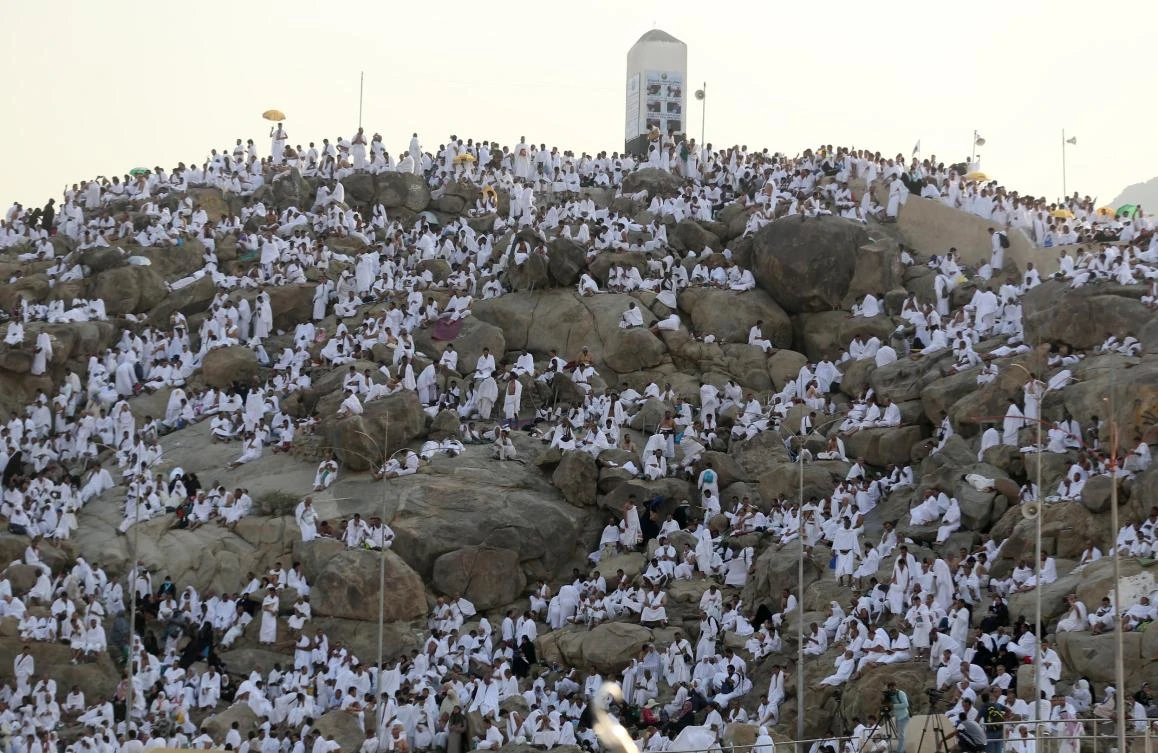
Amjad Al-Hariri of Oman said the world’s biggest peace gathering — Haj — has just ended, and the Kingdom is furthering this message and its determination through this conference that comes on the heels of the annual pilgrimage. “Saudi Arabia has always denounced terrorism in and out of numerous forums and has cooperated to eliminate it,” he added.
“Saudi Arabia is doing what needs to be done, and it is being true to the Islamic faith, belief and culture,” said Abdul Kadar Aliu of Nigeria.
“It’s an important event, and the fact that so many countries and organizations are participating shows the will of the host country and the participants to face the menace collectively,” said Samar Fatany, a veteran Saudi broadcast journalist. “Saudi Arabia is also a victim of terrorism, and the conference is part of concerted, international efforts to face this threat.”
She said threats and inflammatory rhetoric cannot put a stop to terrorism. “Such statements enhance it and increase its influence. No one country can counter international terrorism by itself.”
Fatany stressed that moderation and dialogue are the dominant forces in the Saudi society. “To target Saudi Arabia alone and forget all other extremist ideologies that exist in the world is unjust,” Fatany said. “I actually believe that if there’s a conflict, it’s a politically motivated conflict, but as for people, there is no conflict there.”
She said a large segment of Saudi population is young — inexperienced and vulnerable to be hoodwinked by the extremists. “Catering to the large young segment of society and providing them with guidance and protection against extremism and fanaticism is a formidable challenge that should not be underestimated,” Fatany said.
S.A. Patel, an electronics engineer from India, said the Kingdom was a peaceful place and one where everybody felt at home — safe, secure and satisfied. “The holding of the conference here, I feel, is an extension of that message,” Patel said, “and part of Saudi Arabia’s ingrained Islamic belief and principles.”