
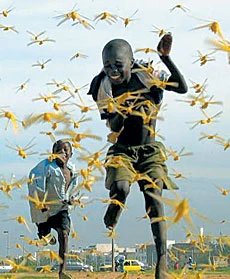
The World Press Photo 2005 exhibition in Rome carried collected photos from different press photographers from all over the world. The photos at the exhibition varied in topics from sports, entertainment, wars and other topics. Most of the visitors in the exhibition agreed that the large number of photos in the exhibition triggered sadness, sympathy and aggression.
Most of the time, the most painful pictures make it to the photo exhibition, in which no censorship is allowed. Most of these photos have a story behind it and need no title because it speaks for itself. Many photos of different emotions of aggression, horror, and happiness are shown in the exhibition. Nevertheless, some of the photos need an explanation sentence for visitors to help them understand the meaning of the picture.
Visitors find it difficult to decide which picture would go on the top of the exhibition’s list. There are many characteristics that will affect the choice of visitors and would favor one picture over another. A visitor’s choice could depend on the brightness or the color balance of the photo. Some people might prefer a photo taken from a distance showing larger scenes. Others prefer a photo taken so close concentrating on the smallest and specific details.
Bob Martin took one of the photos that didn’t need any titles or explanations from the United Kingdom. His picture showed the Spanish swimmer Xavi Torres who sat off at the start of the 200m freestyle heats at the Paralympics Games in Athens in September. Torres, all of whose limbs have been amputated, went on to come sixth in the 200m finals, but picked up a silver medal in the 150m individual medleys and a bronze in the 4x50m relay medley.
Taking a photo is an art, which deserves admiration and appreciation. Starting from there World Press Photo began 50 years ago by establishing a photography contest in the Netherlands. The first prize was given to a photo of a motor-cross competitor taking a tumble from his motorcycle in 1955. The impulse behind the idea was that photojournalists and others would benefit from exposure from work of international photographers. Nowadays photographers participate from around 124 countries. The World Press Photo organization offers a number of educational projects throughout the world like seminars, workshops and the annual Joop Swart Masterclass. This year the organization celebrates its 50th anniversary in Amsterdam in October. World Press Photo receives support from the Dutch Postcode Lottery and is sponsored worldwide by Canon and TNT.
As a way of encouragement the entry forms are given for free in October and the deadline for entries is mid-January. Photographers, photo agencies, newspapers and magazines from around the world are welcomed to submit their best news-related pictures of the previous year. At the beginning of February, the judging takes place with a press conference announcing the winners in the second week of February. The prize winning photographers are invited to receive their awards at the annual Awards Days at the end of April.
The contest juries are thirteen picture editors, photographers and representatives of press agencies. The jury members come from different parts of the world and with different backgrounds to keep the judging dynamic and objective.
The World Press Photo of the Year is awarded to the single photograph that represents an issue, situation or event of great journalistic importance. The winning photograph will be the one that also demonstrates an outstanding level of visual perception and creativity.
After the contest, the prize winning photographs are displayed in a traveling exhibition that is visited by over a million people in 40 countries. In conclusion, a yearbook presenting all prize winning entries is published annually in seven languages.
The Next World Press Photo exhibition will be open to public and will take place again in Bahrain from Aug. 18 till Sept. 8.