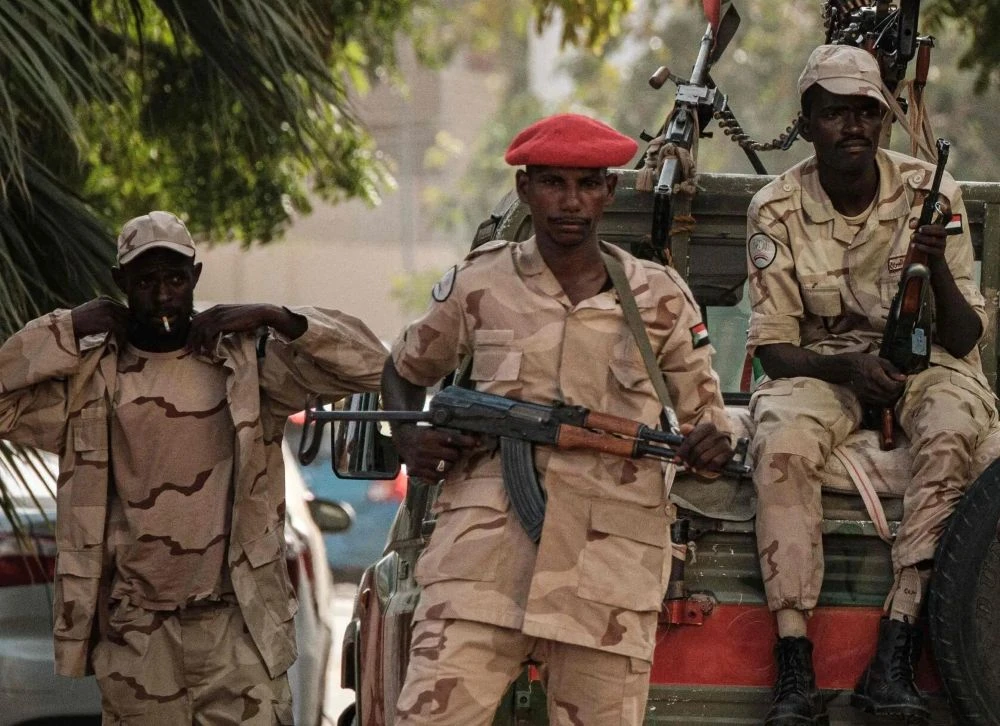
KHARTOUM, 16 August 2005 — Sudanese authorities have lifted a curfew imposed two weeks ago to stop the capital’s worst violence in decades, which killed at least 111 people, Interior Ministry officials said yesterday.
“We have lifted the curfew,” the ministry official said. “There will be no checkpoints, but the forces will still be out on the streets.”
News of the sudden death of former southern rebel leader and newly sworn-in First Vice President John Garang two weeks ago sparked riots in Khartoum’s central commercial streets and suburbs. Tit-for-tat violence followed, polarizing the capital’s northern and southern communities. But Khartoum has remained largely peaceful over the past week.
Garang signed a peace deal in January which ended Africa’s longest civil war in Sudan’s south and outlined a new coalition government, wealth sharing, democratic transformation and a southern referendum on secession from the north within six years.
He was first vice president for just three weeks before being killed in a helicopter crash in southern Sudan. His former deputy and successor, Salva Kiir, took up the post last week.
Meanwhile, about 13,000 refugees have been made homeless by floods in Sudan’s troubled Darfur region, in the worst rains for half a century, a government official said yesterday.
El-Fatih Abdel Aziz, the government’s manager of Abou Shouk camp in North Darfur, told Reuters the heaviest rains seen in decades had damaged a dam built to prevent flooding in the camp next to the state’s main town, El-Fasher. “This dam... was damaged because of the heavy rain at night, and after that half of the camp was flooded,” he told Reuters from Darfur. “The government intervened and gave every family blankets and corn.”
He added non-governmental organizations working in the camp were to meet to decide whether to transfer the 13,000 displaced to another camp. Abou Shouk, just outside El-Fasher, houses about 50,000 Darfuris.
About 2 million Darfuris fled to makeshift camps in the remote region during more than 2-1/2 years of rebellion by non-Arab rebels against the central government.
Tens of thousands have been killed in the violence, and the International Criminal Court is investigating alleged war crimes committed during the uprising.