RIYADH, 21 August 2005 — Young pilgrims coming for Haj or Umrah from polio-hit countries will have to prove that they have been immunized against the crippling virus, according to an advisory issued by the Ministry of Health yesterday.
The new directive, which comes ahead of the high Umrah season of Ramadan in October and the Haj in January, covers visitors under the age of 15 from the 19 countries currently reporting polio cases.
Pilgrims in that age group must show valid proof of vaccination in order to obtain entry visas for the Kingdom. The regulation applies to visitors from Afghanistan, Angola, Burkina Faso, Cameroon, Central African Republic, Chad, Ivory Coast, Egypt, Eritrea, Ethiopia, Guinea, India, Indonesia, Mali, Niger, Nigeria, Pakistan, Sudan and Yemen, a Health Ministry spokesman said.
The ministry issued the directive in response to an alarming spread of the virus, the spokesman said, adding that polio immunization for the cited group is mandatory regardless of previous vaccinations.
The move follows two cases imported from Sudan late last year which sparked fears the virus could spread within the Kingdom or be carried by pilgrims returning home after the Haj. It was not clear whether the two cases were due to pilgrims or guest workers, but the virus was genetically linked to Sudan.
Polio, which usually affects children under the age of five, is carried by a virus and can cause irreversible total paralysis in a matter of hours.
The World Health Organization — which hoped to halt spread of the disease by year-end — welcomed the Saudi initiative, noting that there were large population movements during the Haj season.
“They (the Saudi authorities) realized they could be part of the solution,” said Dr. Bruce Aylward, coordinator of the WHO’s polio-eradication drive.
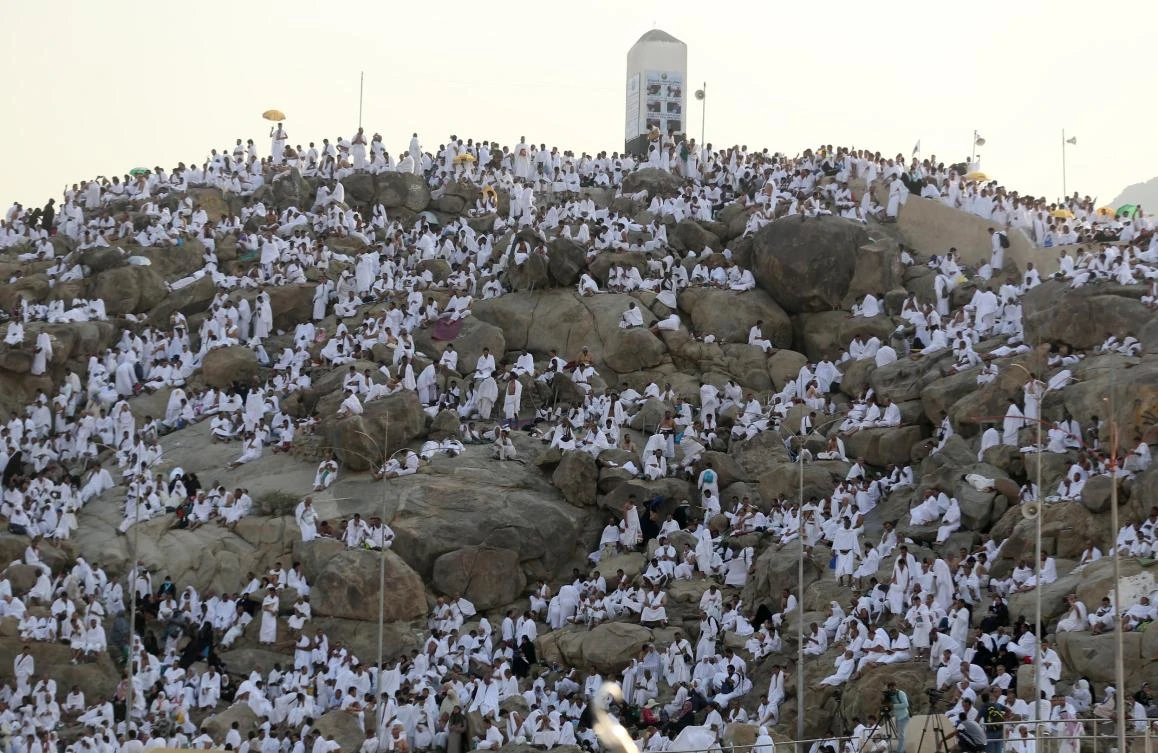
Global health experts expressed confidence that the Kingdom would stop the spread of the virus even though up to two million foreigners converge on the holy cities in the pilgrimage season.
“Saudi Arabia is not just aiming to protect its own population, but is further playing a key role in growing international efforts in curbing the ongoing global spread of the polio virus,” WHO spokesman Oliver Rosenbauer said in Geneva.
According to WHO figures, nearly 96 percent of the 1,053 people infected with polio worldwide so far this year live in member countries of the Organization of the Islamic Conference (OIC).