ON Aug. 4 this year the people of Saudi Arabia pledged allegiance to the new Custodian of the Two Holy Mosques King Abdullah. Men, women, young and old, citizens from all walks of life personally went to pledge allegiance to the king at the Royal Hukum palace in Riyadh on this memorable day.
Although the nation mourned the late King Fahd, the citizens were proud and satisfied over the smooth transfer of power that promised stability and showed unity between the leadership and the ordinary citizen.
Upon his accession to the throne, King Abdullah announced “The Five-Year Plan” that specifically addressed the plight of the poor and the average Saudi family. A royal decree included a maximum family social security payment of SR28,000 up from SR16,000, an increase in the budget of real estate development fund besides an additional sum of SR8 billion allotted for Saudis across the Kingdom.
In all SR30 billion was reserved for developing civic services and educational facilities. An increase of 15 percent in salaries to all government staff including women and a provision of SR80 billion for various welfare and development projects were all reassuring moves aimed at mobilizing state funds toward much needed services to the public.
King Abdullah has introduced reforms in almost all sectors in order to boost the economy and provide a better standard of living for Saudi citizens.
In this new era of reform women appear more optimistic than ever. They look forward to a brighter future with revised labor laws and civil services that cater to their needs and aspirations.
The Saudi leadership under King Abdullah has recognized the vital role women can play in the Saudi economy. To quote King Abdullah, “The woman has a unique position in society...she is a citizen and above all she is a mother, sister and wife.” Under his leadership women today are provided with more opportunities to prove their potential in government institutions and in the workforce. Reforms are introduced to meet the challenges of integrating women into the workforce and providing the necessary training to help them meet market requirements, raising the standard of education, and allowing the participation of women in the decision-making process.
Among the many developments that recognize the status and role of women in society is their participation in the National Dialogue which gave them an opportunity to voice their opinion about issues that were taboo in the past and debate matters that are of vital concern to the community. Also their involvement in the human rights organization enabled them to protect women’s rights and address the needs and problems facing many women in this days and age. Moreover the recent decision to give women the right to vote in the Jeddah Chamber of Commerce is a sign that women in business enjoy the recognition they deserve as equal partners in the development of the economy.
The participation of women in the Shoura and Municipal Councils as well as Shariah courts are among the issues being addressed in the Shoura Council debates. The Shoura Council has been supportive of women’s issues since it has been expanded and given more powers under the leadership of King Abdullah.
Members of the council pledged their allegiance in a formal meeting with the monarch who praised their performance and commended their role as true representatives of the Saudi people.
King Abdullah in his speeches and addresses to the nation has always stressed the role of women in the nation’s progress and development. He said: “We will never allow anyone to undermine Saudi women or marginalize their effective role in the progress of society.”
“We want to run a dialogue respecting social values and cooperation among citizens because such a dialogue can outline new horizons for women and would uphold the rights of women as men’s partners in the advancement of society.” These words demonstrate the respect the monarch holds for the opinion of Saudi women, and how he acknowledges their role in nation-building. He has promised them all support and has assured them respect, equality and full participation in the development of their country.
Social and cultural attitudes and habits at times hamper the progress of women. However with continued successful contributions to the development of the country and unwavering determination Saudi women are confident they will be able to utilize their full potential and ultimately change the negative attitudes and cultural constraints that have in the past marginalized their role in society.
Moreover the change in attitudes toward women has to be instigated by women themselves with the encouragement of men.
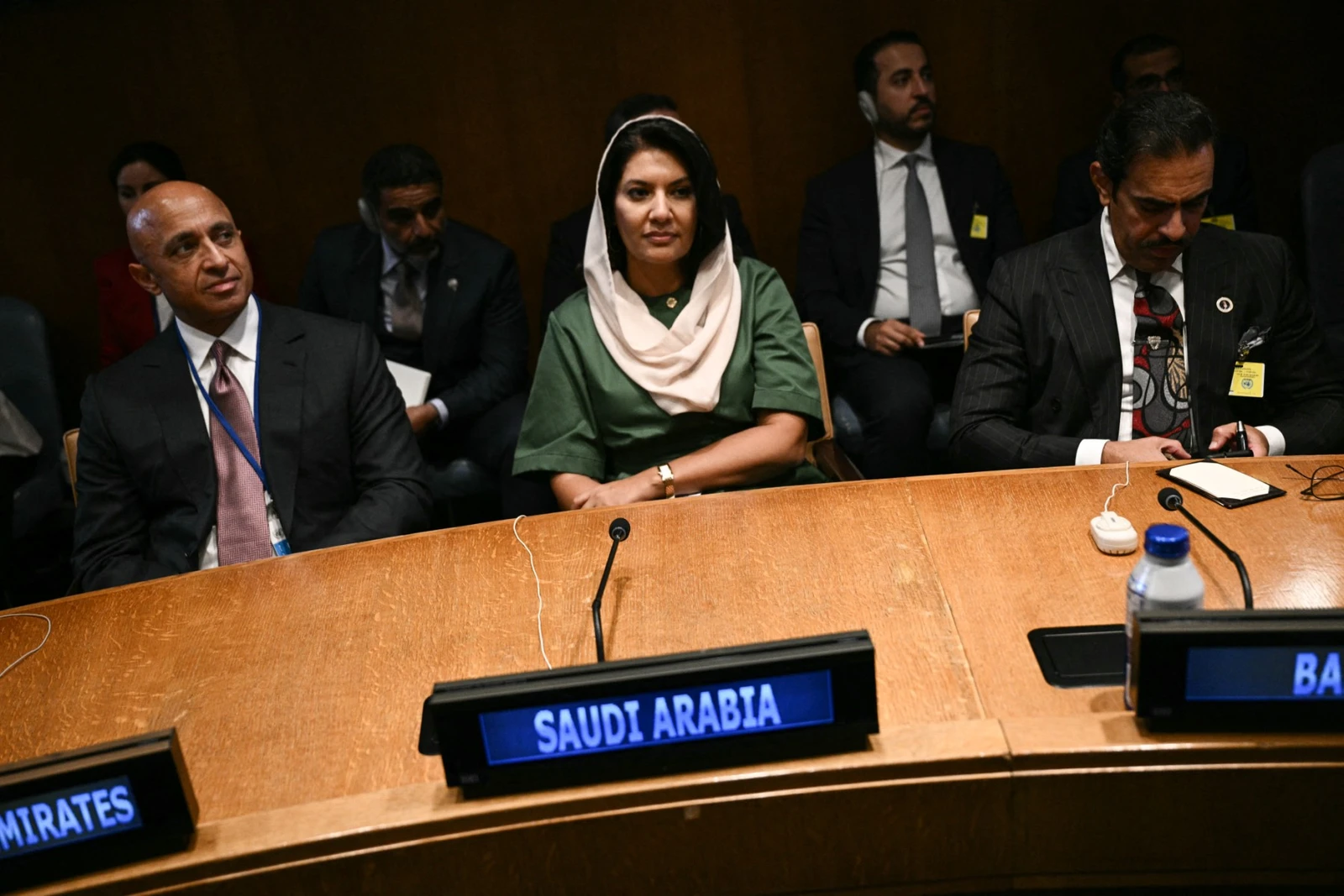
King Abdullah has always been supportive of women and their causes even during his tenure as the crown prince. In the year 2000, he signed at the United Nations in New York the historic “Anti-Racial Accord” which was a significant document defending women’s rights. He has continuously taken significant steps to empower women and elevate their status in society. He has conducted several meetings with prominent and leading women in the community as well as academics and professionals and he has praised their academic excellence.
He discussed the problems facing them and assured them continued support in publicized interviews and meetings.
He also promised to remove obstacles that stand in the way of empowering women. In an effort to build civil institutions King Abdullah approved the creation of an independent journalist association. Saudi women are active members of the organization and women in the media are playing an important role in changing attitudes, raising the level of awareness in the society, and educating women about their legal rights. The government has projected women in the media by removing restrictions that prevented them from appearing on national TV or working as newsreaders in the radio.
The latest United Nations Arab Human Development report, 2004, titled “Towards Freedom in the Arab World” acknowledges positive changes in the Kingdom like the establishment of the National Human Rights Society which has women protecting women’s rights and looking into their social and economic needs. The report mentions the establishment of the King Abdul Aziz Center for National Dialogue, the recent expansion of the Shoura Council and the royal decree to reform the judicial system, freedom of the press and debating issues concerning women and their rights. The report also praises the government plans toward eradicating poverty.
Experts advise that it is now up to the government and people of Saudi Arabia, its civil society and media to study the reports and find ways and means of implementing the much-needed reforms. The reign of King Abdullah seeks to promote moderation and tolerance and rejects extremism and gender discrimination.
The king said, “Saudi Arabia has been facing many challenges that are being met by reforming the government and focusing on the nation building. King Abdullah’s actions and words demonstrate his resolve not to allow any discrimination against women and to give them equal rights and opportunities. The people of Saudi Arabia are very optimistic and look forward to a bright future and an era of peace and prosperity. The women of Saudi Arabia pledge their allegiance to a very much loved and respected king. May God Bless him and keep him safe.
— Published in Arab News Saudi National Supplement (Sept. 23, 2005).