The idea of shopping centers and malls began appearing after World War II in the US. One of the most important reasons that led to the creation of massive shopping malls in America was the huge numbers of people leaving inner city neighborhoods to come and live in rural areas to take advantage of open spaces, clean air and less crowds. The idea of establishing huge shopping centers in these rural areas came at a convenient time. Shopping malls adopted the role of serving people by providing them with a host of services and most importantly parking facilities.
As time passed by, shopping centers and malls developed further and they became places where shoppers could take advantage of various different services under a single roof. A person could go in to a shop, hang out for fun, eat at a variety of restaurants and coffee shops, watch movies at cinemas, train in gyms and even sometimes read books in libraries. In other words, contemporary shopping malls grew to become a world of their own.
However, with the growth of shopping centers, problems have arisen relating to identifying suitable locations where shopping malls could be built or to overcome traffic problems that come as a result of having too many malls. Studies are important in providing logical suggestions to where shopping centers or malls should be established. This would be a more realistic method instead of using only old-fashioned methods as used by generations before.
We should remember though that although many modernized shopping centers nowadays provide a lot of fun and entertainment to some sections of society, especially the younger generation and expatriates, they may only be suitable for the modern American or Australian mode of living.
Shopping malls may not be suitable for other communities in Europe, the Middle East, Asia and Africa. In such communities, there are historical cities that have preserved the deep historical roots and origins of those areas extending back many centuries.
City centers in places such as Jeddah, Cairo, Rome, Damascus, Paris, London and others have magical powers that attract visitors and shoppers from different backgrounds giving them the pleasure of shopping along with a chance to experience a sense of history and culture that shopping malls cannot provide.
City planners and cartographers focus their efforts on transferring historical central areas in cities into vital locations attractive to people. They lighten, pave and organize them and provide them with huge underground parking lots or on both sides of the center. They make these areas attractive to host different activities like shopping, entertainment, food, movies, small museums and the like.
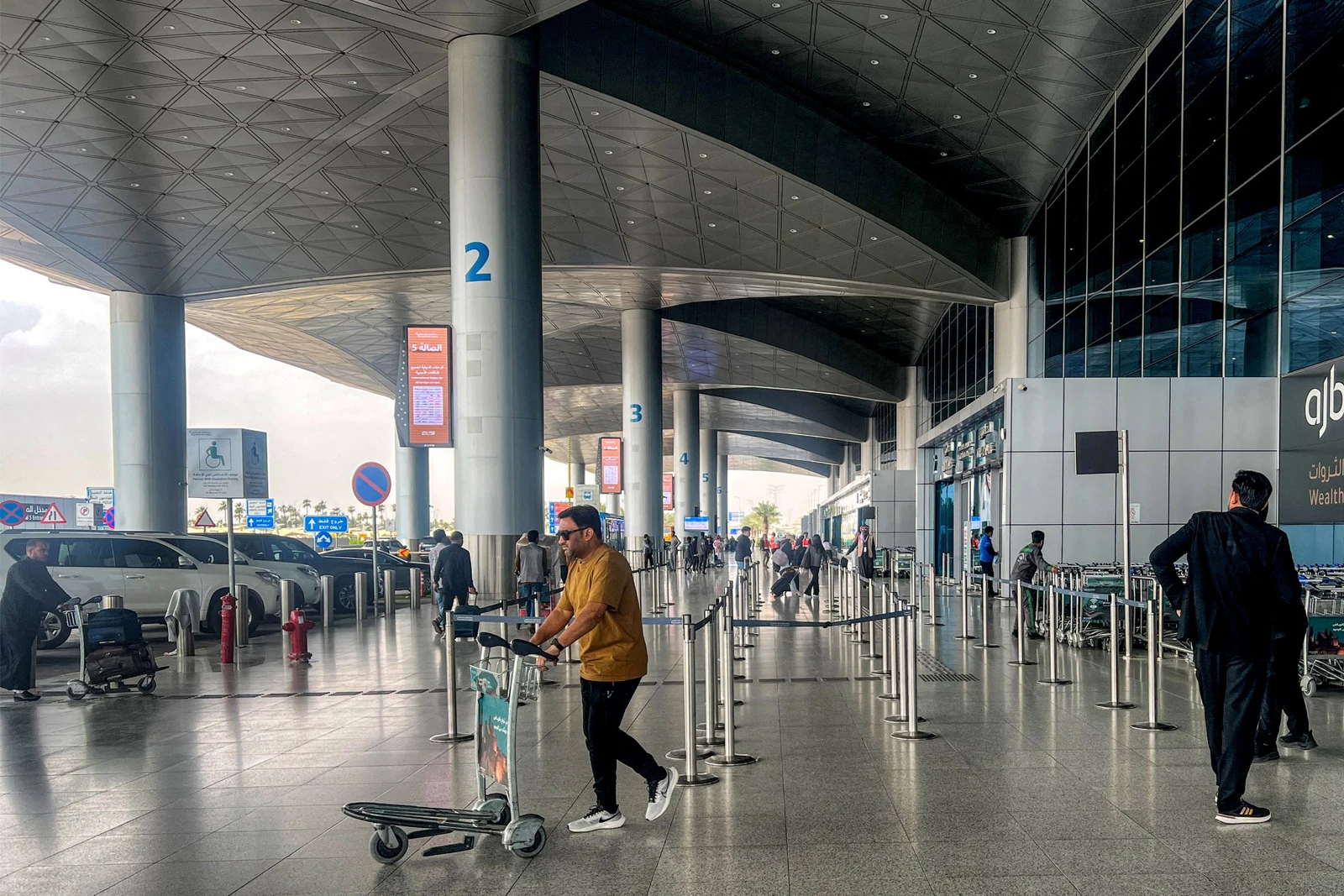
Visitors to Jeddah notice that there are far too many shopping malls at every corner in every direction of the city. Starting from the south to the north and from the west to the east shopping centers are dotted everywhere in a way that doesn’t reflect Jeddah’s population and the income of its residents.
I don’t really know who is responsible for starting this totally archaic, chaotic and haphazard planning strategy. I also don’t know why previous municipal supervisors have not set up strategies and plans to systematically develop areas. I know of many rules and regulations that could have controlled the way commercial centers are established in cities in light of what is appropriate to the city’s population growth, health services, residential areas, transport and management. But it seems Jeddah has really missed out.