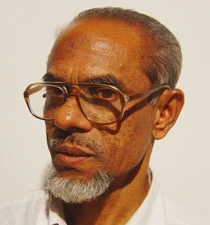
JEDDAH, 8 March 2007 — The Jamaat-e-Islami of India has embarked on a landmark project for the social, economic and educational uplift of Muslims in the country. “It will usher in a new era in the history of Indian Muslims,” said Siddique Hassan, the Jamaat’s assistant secretary-general for social services.
Speaking to Arab News, he said the project would cost 5.5 billion Indian rupees (nearly $125 million) and would be carried out in phases. “The project is for the benefit all people, Muslims as well as non-Muslims. We have received encouraging response from all groups and communities across the country,” he added.
The project is significant in the context of the Sachar Committee Report that exposed the poor condition of Indian Muslims. The report, which was presented in November 2006 to the Indian Parliament by the former chief justice of the Delhi High Court, Justice Rajinder Sachar, showed that the condition of Muslims is much worse than that of Dalits in education, health, employment and other areas.
In the first phase, the project, named Vision 2016, aims at improving the condition of Muslims especially in 58 poor districts in various parts of the country by establishing health care centers, schools, vocational training centers, small-scale industries and low-cost housing and providing soft loans to small-scale trade and other ventures.
“I am 100 percent sure that this project will succeed with the blessing of Allah,” Hassan said. He described the condition of Muslims in many northern states as pathetic, adding that unwanted elements were exploiting the situation.
“About 38.5 percent of Muslims in urban areas live under the poverty line. There are millions of Muslims who have not eaten a nutritious meal for years. Thousands among them live in slums. Poverty has forced some Muslims even to shun their faith. Well-to-do Muslims will be questioned by Allah for ignoring their poor brethren,” he said.
Hassan expressed his confidence that the project would receive adequate support from the government and NGOs. “What we are lacking now is awareness about the situation of Muslims and professional and efficient manpower,” he said, while calling on Muslim intellectuals and professionals to contribute with their expertise to make the project a success. Hassan, who is the project’s main architect, has prepared a road map to execute the plans, with the support of experts.