JEDDAH, 9 August 2007 — The application process for Ramadan stalls to be set up in the historic center will commence Saturday with new regulations to ensure equal distribution of stall locations and to prevent the selling of the permits, which has occurred in previous years, a municipal official said yesterday.
The new regulations are an attempt to prevent Saudis who are given these permits from selling them to other people, often illegal residents. The policy gives preferential treatment to divorced women and widows, but it came to light last year that some of these women turned around and sold these licenses to other people.
Saudi regular stall operators created havoc last year after seeing stalls that belonged to them going to illegal expatriates, who were operating the stalls under the names of the women who obtained the licenses. The rules in general exclude any non-Saudi from operating a Ramadan stall. Ramadan stalls will begin setting up in the days before Ramadan is tentatively set to begin on Sept. 13.
According to Shuja Saad, a Saudi Ramadan stall operator, the women who have been given deferential treatment in obtaining licenses, often sell it to a non-Saudi for between SR3,000 and SR5,000. In turn, the stall operator can make up to SR50,000 during the month-long observance.
“This behavior made all the Saudi regular stall operators angry, because the authorities allowed such a thing to happen and didn’t work out anything at the time to stop it,” he said.
Khaled Aqeel, deputy mayor for services, said that this year the municipality would not allow anyone to give authority to operate the stall. Widows and divorcee women would have to operate the stalls through their relative or through a foreign worker who is under their sponsorship.
License applications can be submitted at municipality headquarters on Al-Amanah Street. Applicants should be Saudis over 30 years of age who have a health certificate if they are going to sell food.
He said that locations of stalls have been established in a new drive to decrease bottlenecking in crowded areas, such as the historic Qabil Street, and create an easy flow for pedestrians during the highly crowded season.
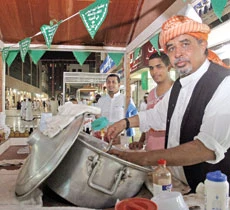
Ramadan food stalls offer treats such as sambosa, meat pies, chickpea salad (a seasonal treat), chopped liver, potatoes, popcorn and traditional Arab sweets.
In addition to the usual souks, downtown comes alive during Ramadan with stalls selling perfumes, accessories and gifts, incense, clothes and bags.
Shopowners are also given preferential treatment for obtaining licenses to sell their good on the sidewalks in front of their stores.