DHAKA, 29 August 2007 — The Bangladeshi government remained nervous following a week of anti-government unrest, deploying soldiers in Dhaka and other major cities yesterday despite lifting a curfew a day earlier.
The country’s military-backed interim government imposed the nighttime curfew Wednesday last week after student protests against emergency rule sparked street clashes, leaving at least one person dead and hundreds injured. There have been no demonstrations since the curfew was introduced.
The Home Ministry lifted the curfew Monday ahead of a religious festival today.
Nevertheless, the authorities were taking no chances and were prepared to tackle more violence.
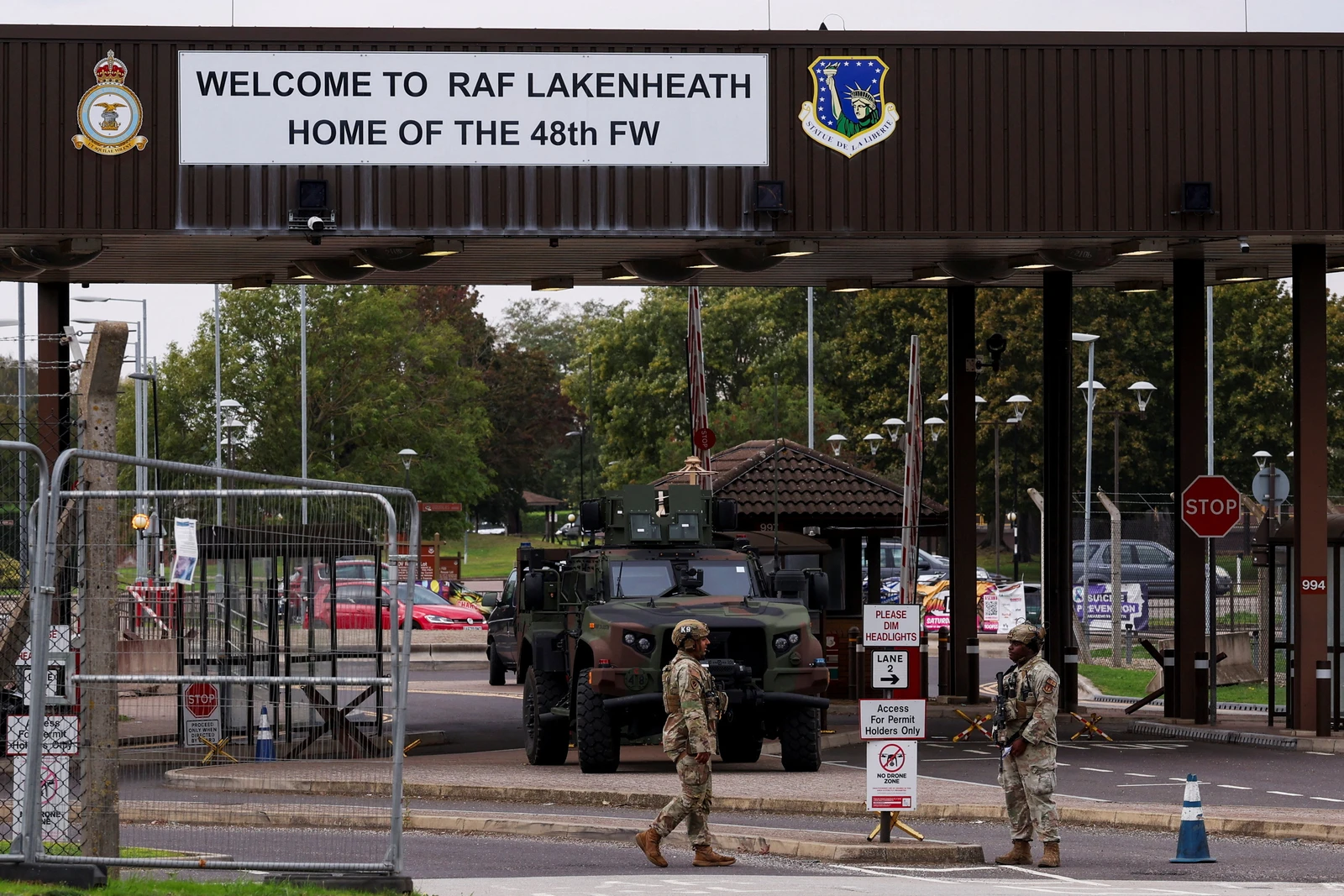
The government still fears that “miscreants can try to create a situation. So the troops will continue to patrol streets,” said a senior police official in Dhaka.
Soldiers were also deployed in the bustling streets of Chittagong, Sylhet, Rajshahi, Khulna and Barisal — the five other cities that were subject to the curfew.
Security forces have detained several people suspected of instigating unrest, including five university teachers, and the Home Ministry said Monday that the government planned to take legal action against those responsible for the violence.
The demonstrations began Aug. 20 at Dhaka University with students demanding the removal of army posts on college campuses. The protests quickly spread to other colleges and cities across the country.
Many vendors and slum-dwellers joined in, setting vehicles on fire and damaging buildings and public property. One person was killed and hundreds were wounded, prompting the government to impose the curfew.
Authorities indefinitely shut universities and colleges in Dhaka and five other main cities and ordered a judicial probe into the violent incidents.
The judicial commission, headed by retired Justice Habibur Rahman Khan, started work yesterday and urged cooperation from all concerned.
The Home Ministry urged citizens to be alert against any recurrence of violence and to help the government prepare for a free and fair election late next year.
The protesters demanded the immediate restoration of democracy and an end to emergency rule — imposed in January after President Iajuddin Ahmed canceled scheduled elections following weeks of violent opposition protests demanding electoral reforms.