JEDDAH, 26 October 2007 — Extremism in Saudi society, which in recent years has been responsible for a number of terrorist attacks, has not only emerged due to external factors but also due to a number of internal factors from within Saudi society, said Hamza Al-Mezaini, a lecturer at the King Saud University and a columnist for an Arabic newspaper.
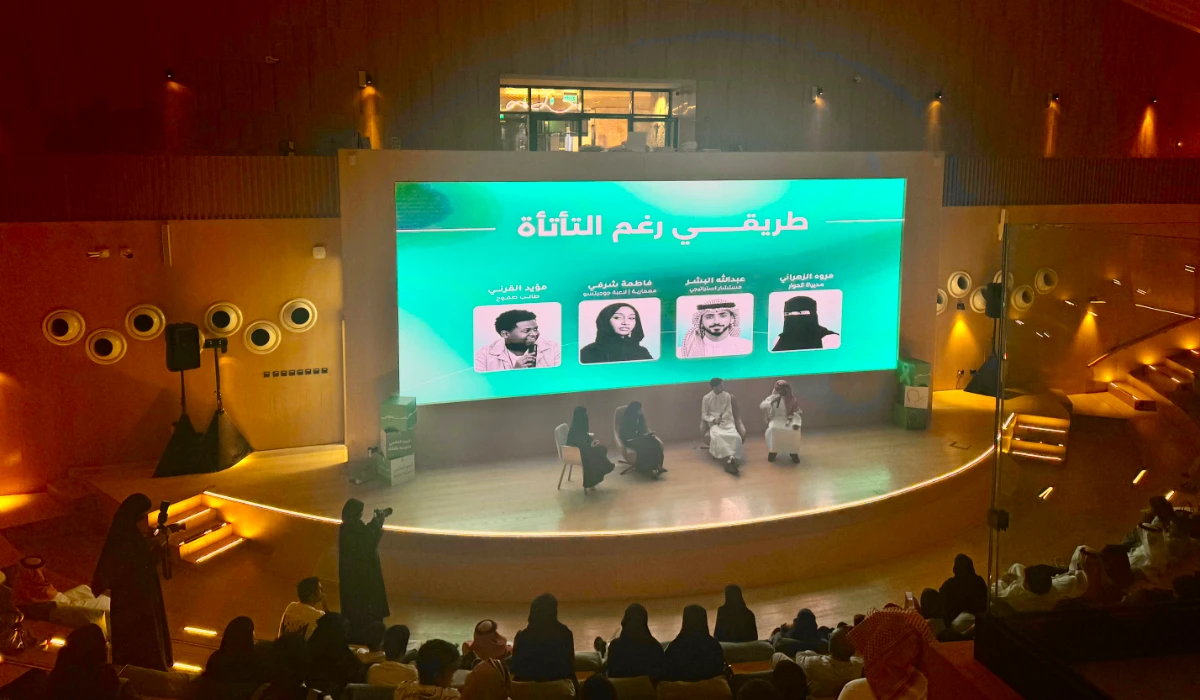
Al-Mezaini was speaking on Tuesday to an audience at the Jeddah Literary Club in a public lecture entitled “Extremism Roots: Reasons and Solutions.” Sharing the podium with him was Anwar Eshki, an analyst. The lectures were followed by a question and answer session that lasted for over two hours.
The main hall in the club — which was set aside for men and was separated from the women audience, who occupied the library in the second floor — was unusually full of Jeddawis, who are rarely interested in any of the club activities.
“The lecture title was interesting and Al-Mezaini has a well-known reputation in attacking and exposing extremism in his columns,” said one of the attendees.
In his speech, Al-Mezaini said that Saudis define violence as acts of terror that “other” people do against them. “This subject could not be raised and discussed here tonight unless there was a problem in our society. And that problem is called terrorism,” he said, adding that he would not discuss the sociological aspect of the issue but rather limit his lecture to mentioning concrete historical reasons that people rarely disagree on.
He listed incidents from recent history — not only in Saudi Arabia but also in the region — that has contributed in fermenting extremism. One was the conflict between progressives and conservatives in the 1950s across the Middle East, which led to many Muslim Brotherhood members from Egypt and Syria moving to the Kingdom.
He said that after that came the attack on the Grand Mosque in Makkah in 1979 after which hidden intentions of extremism clearly appeared on the surface and pervaded its agenda publicly in Saudi Arabia.
“After that extremists tried and succeeded to enforce the concept of jihad in textbooks in schools,” said Al-Mezaini.
In his speech Eshki discussed what he believes to be the core reasons behind terrorism around the world. He said that depriving people of their basic rights, cultural seclusion, enforcing religion and refusing dialogue contributes toward creating terrorists. Eshki also said that terrorism is not exclusive to certain societies and can take place everywhere. He then drew a comparison between the Karantainah district of Jeddah, Harlem in New York and the Darfur region in Sudan.
The analyst said that a mix of poverty, compulsion and depriving people of their rights in those areas lead people to become violent. He stressed that dialogue is a crucial solution to counter violence.
The audience took turns in asking and commenting on the lectures. Hanan Al-Mubarak, a sociology researcher, asked Eshki how to spread the message of dialogue among all sectors in society. “The National Dialogue Center that is supposed to activate dialogue tends to make its dialogue policy exclusively for the highly educated elite in this country,” she said.
Farid Al-Ghamdi from the Umm Al-Qura University in Makkah attacked the Ministry of Education’s policy toward Islamic studies subjects. “I totally agree with Al-Mezaini on that level,” he said. “The Ministry of Education must have scientific meetings with educators to come up with an alternative plan as soon as possible,” he said.