JEDDAH, 3 October 2007 — Custodian of the Two Holy Mosques King Abdullah has approved new regulations allowing establishment of a supreme court and specialized labor and commercial tribunals. He also allocated SR7 billion to upgrade judicial facilities.
King Abdullah endorsed the new Judiciary Law and the Court of Grievances Law as well as their executive bylaws on Monday. The new laws emphasized the authority of judges in taking independent decisions without being influenced by others.
Spelling out the salient features of the new judicial laws, an official statement said they allow formation of special commercial, labor and administrative courts. The Court of Grievances will work as an independent body and will report directly to the king.
The Supreme Judiciary Council will look into personnel affairs of judges. The judicial affairs now onward come under the authority of the Supreme Court, which will supervise implementation of Shariah and the laws issued by the king, the Saudi Press Agency said.
The new laws replace regulations in force for more than 30 years in the case of the judiciary and about 25 years for the Board of Grievances.
The Kingdom is taking a major qualitative step in developing its judicial and legal system as it opens up its economy to the outside world, Mufleh Al-Qahtani, dean of the civil law faculty at King Saud University in Riyadh, told AFP news agency.
The Supreme Court will review rulings issued or upheld by appeal courts pertaining to murder, which is punishable by execution, and other serious offenses.
Qahtani said it would take over the functions of the Supreme Judiciary Council, hitherto the Kingdom’s highest tribunal. The council will continue to oversee the judiciary, focusing on administrative matters such as the choice of judges and the setting up of tribunals.
Under the new regulations, disputes related to divorce and other family and personal matters would be settled by their own courts. Commercial courts will look into disputes hitherto handled by special committees at the Ministry of Commerce and Industry, while labor courts will take over the functions of labor offices affiliated to the Ministry of Labor.
The Court of Grievances will continue to handle administrative disputes involving government departments, but criminal offenses involving these departments, like bribery, will go to other courts.
Under the new laws a higher administrative court will be established to look into cases objecting to the rules issued by administrative appeal courts. There will be administrative courts to look into cases related to rights of employees, administrative decisions, compensations, contracts, disciplinary actions and requests for implementing foreign rules.
“The Administrative Judicial Council will have the right to set up other specialized courts with the king’s approval,” SPA said quoting the official statement.
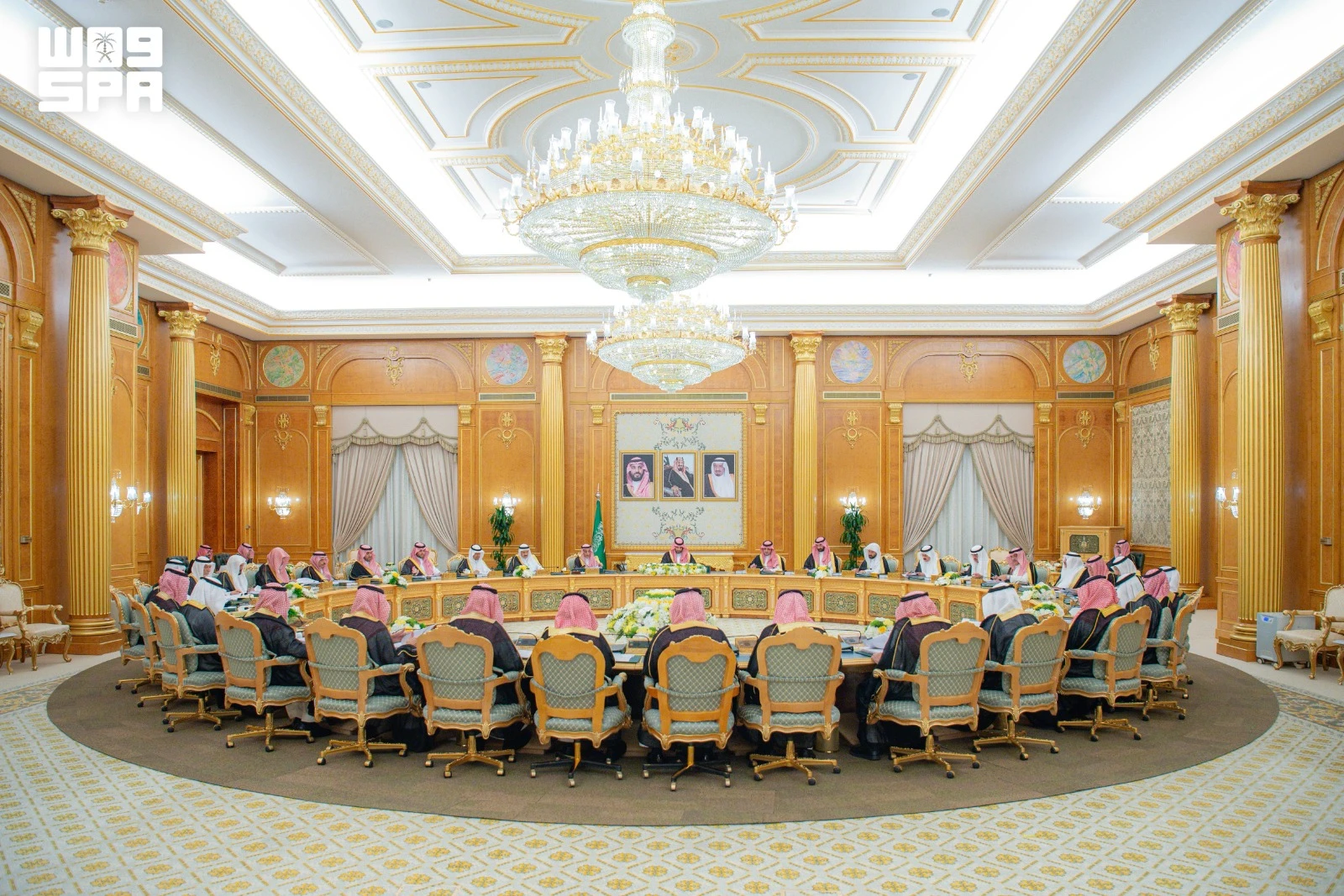
Meanwhile, the Council of Ministers, which held its weekly meeting at Al-Safa Palace in Makkah on Monday night, approved changes to the Haj and Umrah Visa Law. According to the changes, violators of the law face jail sentences of not more than two years or fines of up to SR100,000 or both. The amount of fine will increase in accordance with the number of persons involved in the violation.
King Abdullah, who chaired the Cabinet meeting, urged government departments to mobilize all resources in the service of the hundreds of thousands of pilgrims who have come for Umrah. The meeting authorized the interior minister to issue a law specifying periods for entry ban on foreigners violating resident permit (iqama) regulations.
In other news, Interior Minister Prince Naif has ordered the release of Saudi Guantanamo returnees to celebrate Eid with their families. The Saudis, who were detained, have to return for trial.