JEDDAH, 17 October 2007 — Saudi businesswomen have urged authorities to remove the obstacles facing their investment projects, by issuing more recruitment visas and facilitating procedures to get licenses.
They said that a lack of visas, bureaucratic hurdles to get licenses and problems in obtaining loans had forced many women to cancel their investment plans. They also urged authorities to lift the ban on woman investment in certain projects.
“There are a lot of lucrative business and investment opportunities for women in the Kingdom,” said Hanadi Mirza, a businesswoman. “But the difficulty in receiving license and lack of visas are obstructing their investment plans.”
Despite obstacles, Mirza said, many women are expected to launch new investment projects in the coming months. Her optimism was based on the encouragement given by the government for women to participate in nation building.
“Opening women-only shopping centers is one of the possible areas of investment for women. We welcome the idea and look forward to investment in such projects,” Mirza said.
Nadiya Muhammad, who runs a number of tailoring shops for women, urged government support for women to carry out small-scale and medium business projects.
“Small-scale businesses account for about 80 percent of the Kingdom’s economic activities,” said Muhammad. “Development of these small businesses will definitely boost the national economy,” she added.
She also identified the major obstacles facing businesswomen as lack of recruitment visas and financing difficulties.
“We also face difficult conditions to get financial support ... and many businesswomen will not be able to meet such conditions,” she said.
According to the latest statistics available, Saudi women own 3.4 percent of companies in the Kingdom. Some 1,500 companies and institutions are registered under their names. Women hold 36,200 commercial registrations — 19,816 in retail and wholesale trade and commercial services, 5,837 in building and construction, 1,483 in social services, 944 in industry, 354 in electricity power generation and water supply, 334 in agriculture and fishing, 317 in transport and storage and 60 in oil and mines.
In June 2004, the Cabinet approved a nine-point plan to create more job and business opportunities for women. The Cabinet also instructed authorities to allocate public land for women-only industrial areas.
As part of the nine-point program, the Cabinet also urged the Labor Ministry to coordinate with the ministries of civil service and social affairs to help women work from home. Other steps include restricting jobs of shops selling lingerie and cosmetics to women. The number of working Saudi women is estimated at more than 500,000.
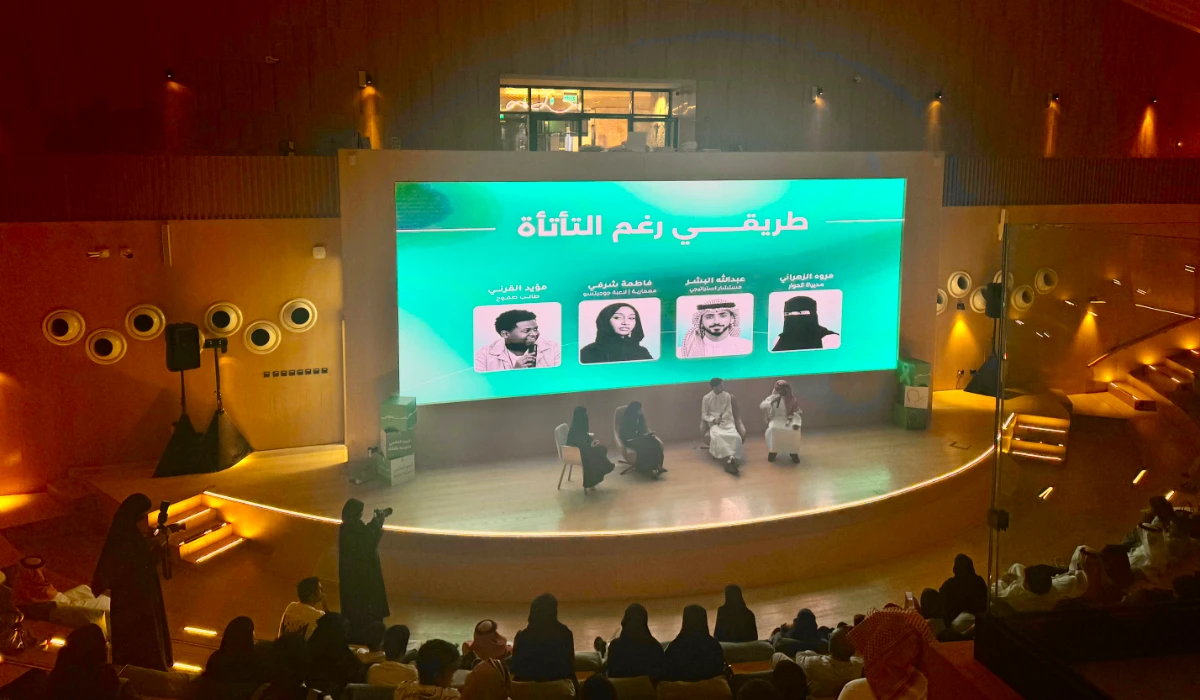
Saad Al-Moajjel, deputy chairman of the Riyadh Chamber of Commerce and Industry, told a women’s investment conference in the capital that there are several investment opportunities for women. He identified at least 22 projects in the industrial sector, 16 in service sector and 40 service projects.
Abdul Wahid Al-Humaid, deputy labor minister for planning and development, said that the number of foreign recruitment visas issued by the ministry in the month of Jamad Al-Thani (June-July 2007) increased by 50.02 percent compared to visas issued in the same period last year.
The ministry issued 750,000 visas for foreign manpower in 2006, which is an increase of more than 100 percent compared to visas granted during 2005 (353,000 visas).