ISLAMABAD, 25 October 2007 — The United States wants to see democracy flourish in Pakistan through free and fair elections and is against the imposition of emergency or martial law, US Ambassador Anne Patterson said in Karachi yesterday.
She told a delegation of senior editors of the Jang group of newspapers that the United States did not support any individual or political party. “I had meetings with leaders of all the political parties that have representation in the Parliament,” she said.
Referring to a question about the US support for the Musharraf-Benazir deal, Patterson said, “We do not support individuals or a single party but we feel that Benazir and her party should be given equal opportunity to contest election. Benazir is known to the State Department and several think tanks in the United States and has a very clear perception about fundamental rights of citizens.
Patterson said Pakistan is a key ally of the United States and has also attained the status of a major non-NATO ally, therefore the United States is concerned about the country’s internal security situation.
More Troops Deployed
The Pakistan Army has sent 2,500 troops into a remote valley in the country’s northwest to combat followers of a militant cleric calling for Taleban-style rule, a spokesman said yesterday.
But the cleric appeared to be unruffled, and thousands of his supporters gathered to hear him speak just a few miles from where the soldiers were deployed.
The paramilitary troops were setting up checkpoints across Swat, a mountain valley popular with tourists until violence flared there this summer, army spokesman Maj. Gen. Waheed Arshad said. Militants responded by detonating a remote-controlled bomb near a convoy heading into the valley late Tuesday. Arshad said four soldiers were lightly wounded and security forces had detained seven suspects.
The army said the deployment would curb the activities of Maulana Fazlullah, a militant leader who reportedly has used FM radio broadcasts to call for holy war against Pakistani authorities.
Checkpoints manned jointly by paramilitary Frontier Corps, troops and local police are to “ensure law and order, to assist the civil administration and ensure that Fazlullah and his band of criminals stop terrorizing innocent civilians,” Arshad said.
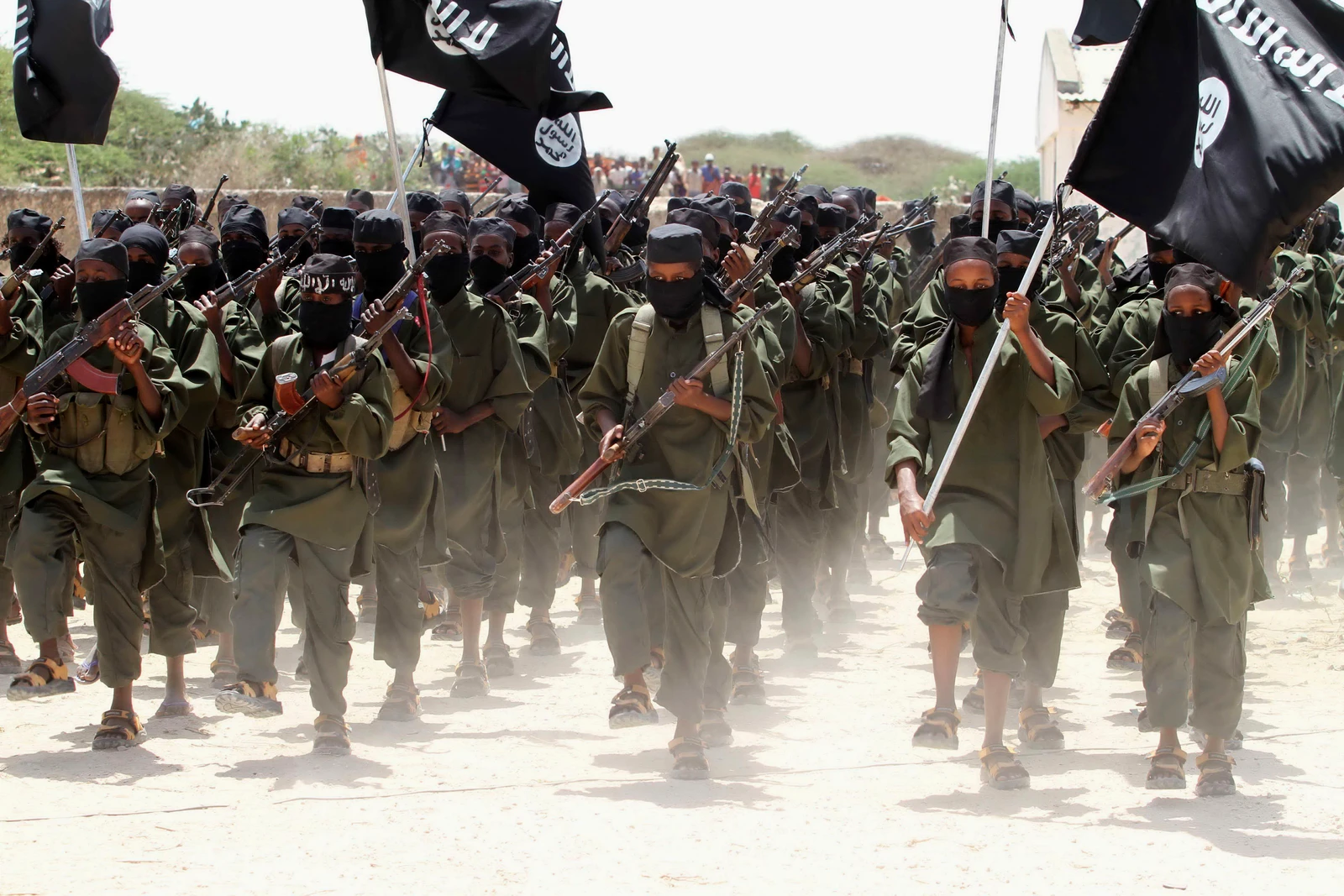
Some 6,000 of Fazlullah’s supporters, many carrying weapons, poured into a schoolyard less than 10 kilometers from where the soldiers were deployed, vowing to back the cleric.
Fazlullah, wearing a black turban and with long, flowing hair, addressed the crowd from the back of a truck, a dozen armed men deployed around him as bodyguards.
“The government has made a declaration of war,” he said, according to a local journalist who witnessed the scene.
Arshad warned militants to surrender or face tough action.
“It will be perhaps better for them if they desist from their activities and turn themselves over to the law enforcement agencies,” he said.
Fazlullah is the leader of Tehrik Nifaz-e-Shariah Mohammed, or TNSM, a pro-Taleban militant group which sent thousands of volunteers to Afghanistan during the US-led invasion in 2001.
Pakistan banned the group and jailed TNSM’s founder, Sufi Muhammad, who is also Fazlullah’s father-in-law, in 2002.