MAKKAH, 29 October 2007 — After welcoming more than two million Umrah pilgrims from around the word during the holy month of Ramadan, people and authorities in Makkah are winding down as all foreign pilgrims have left.
The Passport Department specified Shawwal 15 (Oct. 26) as the deadline by which all Umrah pilgrims should have left the Kingdom.
Businessmen and shop owners close to the Grand Mosque are particularly enjoying a well-earned rest. However, their time-off will soon end when pilgrims begin flocking to the holy city in a month’s time for the annual Haj.
The Grand Mosque is currently not as crowded as it used to be.
Hotel prices have plummeted by 40 percent compared to prices during Ramadan, attracting local Saudis to come and stay in Makkah at this time of the year.
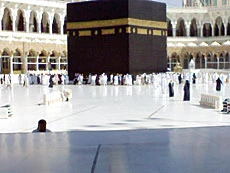
Inside the Grand Mosque, the number of worshippers has decreased and one can complete a tawaf (circumambulation) of the Kaaba in less than 15 minutes — something that was virtually impossible in an hour during the blessed month.
Worshippers are not required to come 20 or 30 minutes before prayers to ensure that they get a space in the mosque. They could walk in after the prayer call is made. People can also park their cars in streets and alleyways close by and walk to the Grand Mosque — something that, a few weeks ago, the authorities would prevent from happening one hour before and after prayers due to the large number of worshippers flocking to the central area.
The Ramadan crowd was so huge that even residents who live close by would be forced to park far and walk home. Many people left their homes to stay with friends and relatives in less-crowded parts of the city.
Meanwhile, the courtyard around the Grand Mosque has fewer people praying there. During Ramadan these areas would be crowded and nearby shops would be open 24 hours except during prayer times. Now that the Ramadan-rush is over, most shops remain closed for several hours.
Taxi drivers have also decreased their prices. A short ride that would usually cost SR100 to SR150 during peak-season now only costs SR15.
The Civil Defense and emergency services say they also receive less calls now that pilgrims have left. The police say that reports of thefts, begging and accidents have considerably decreased.
The situation in Makkah is currently calm as the city’s citizens and authorities recover before the mad but certainly most-welcome Haj-rush just around the corner.