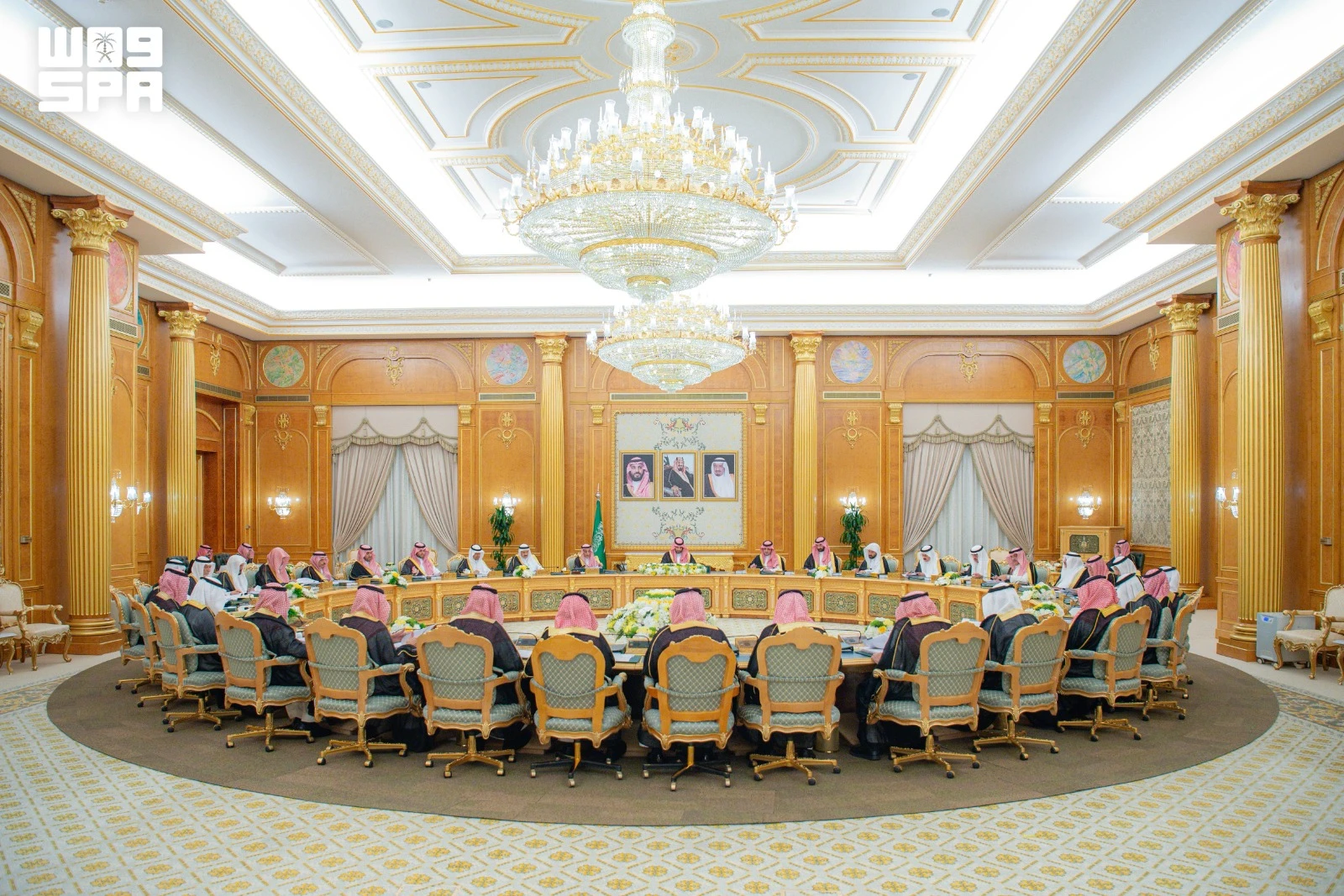
RIYADH, 4 November 2007 — Riyadh Gov. Prince Salman donated SR58,400 to a Sri Lankan maid, who was not paid her salary for the past 13 years by her employer, who recently died.
Girlie Malika Fernando, 53, ran away from her employer in Arar in July last year and sought shelter at the Sri Lankan Embassy in Riyadh, complaining that she had not been paid her salary for 13 years. Subsequently, she was transferred to the government-run Welfare Center for Stranded Housemaids to be helped to return to Sri Lanka.
“We are thankful to the governor, who responded immediately to a request to help the maid who was suffering from depression due to difficulties faced at work since her arrival in the Kingdom,” K.B.G. Premadasa, labor secretary at the Sri Lankan Embassy, told Arab News yesterday.
He said the maid has three children living in Wadduwa, a coastal town about 40 km from the Sri Lankan capital Colombo.
Fernando left for Sri Lanka on Wednesday after spending more than a year at the welfare center. The center’s manager, Capt. Abdullah Al-Gaad, had made several unsuccessful efforts to negotiate with her sponsor’s family to recover her salary arrears.
“No one took the responsibility of the maid following the death of her sponsor,” Premadasa said, pointing out that the money offered by Prince Salman would go a long way to help the maid and her family.
Premadasa said that the Sri Lankan mission gets an average of nine runaway maids daily. “On admission, the embassy registers stranded maids and keep them in its safe house pending an amicable settlement with the employers, failing which they are sent to the government’s welfare camp to be repatriated home,” he said.
At present, he said, there are around 150 stranded maids in the embassy’s safe house and 250 others at the government welfare center.
Nonpayment of salaries and harassment are the two major problems that force housemaids to run away and seek refuge at the embassy.
“Sexual harassment is increasing in recent years and some sponsors have confessed that they tend to misbehave with their maids when their wives are not at home,” Premadasa said, adding that the mission does not know how to overcome such situations.
He stressed that complaints from distressed maids are minimal considering the huge Sri Lankan housemaid population in the Kingdom, which is estimated to be around 400,000.
He cited issuance of block visas as a major flaw in the recruitment procedure of Sri Lankan housemaids.
“Maids are brought in groups of 100 from Colombo and are being dumped at Riyadh airport and the local agent distributes them to employers on their whims and fancies. The embassy does not have a mechanism to monitor which maid is going to which household,” he said.
Premadasa also pointed out that Sri Lankan women employed as cleaning workers at various hospitals in the Kingdom endure numerous hardships, such as late payments, absence of proper medical care and delays in repatriation on termination of work contracts.