RIYADH, 9 March 2008 — Up to 30 percent of patients in local and private hospitals in the Kingdom are suffering from diabetes mellitus, said Dr. Khaled Al-Qattan, dean of College of Medicine at Alfaisal University. Al-Qattan made the comments to Arab News on the sidelines of a one-day international medical symposium held at King Faisal Specialist Hospital & Research Center (KFSH&RC) here yesterday.
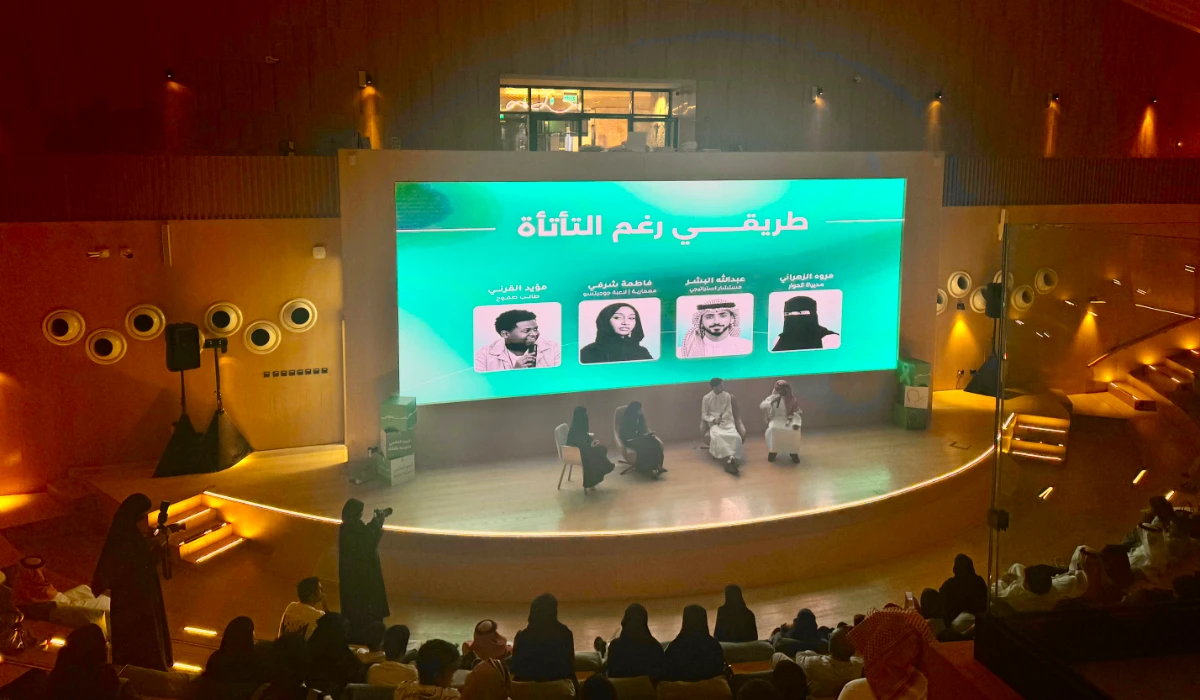
Alfaisal University in coordination with King Faisal International Prize and the KFSH&RC invited 11 previous winners of the prize to discuss the common medical problems in the Kingdom. The event took place on the occasion of the 30th Anniversary of the King Faisal International Prize. In addition, prizewinners discussed developments in areas of trauma management, communicable diseases, cardiac diseases, and diabetes mellitus and organ transplantation.
“The fields of specialty are the same that have been chosen for the prize in the previous years. These are fields related to the medical problems we face in our community,” said Al-Qattan.
“This year’s prize, for example, is dealing with trauma management,” he said. “And as we know, the main causes of death in Saudi Arabia are car accidents and trauma.”
Establishing more trauma centers was essential to combat the alarming disease, he added. “At the end of the day, the advice is: Prevention is better than cure,” he said, adding that traffic rules, such as wearing seat belts and obeying the speed limit should be implemented rigidly for public safety.
Another common medical problem in the Kingdom is burns. “We see a large number of burns mainly among children due to careless handling of hot water and hot drinks,” said Al-Qattan.
As for communicable diseases, the dean said hepatitis, as well as liver cancer, was rampant in Saudi Arabia.
Saphia Ikram, media spokesperson of Alfaisal University, said the assembly aimed at inviting leading researchers in their respective fields to share their experiences and bring about greater good for society.
“It is being held so we could motivate and influence the new generation of Alfaisal medical students who have attended,” she said. “We have been overwhelmed by the interest shown by new students whom we will be taking aboard next year. They have shown a keen interest in what was discussed.”
She said Alfaisal University aimed at delivering the best for the community, adding that future events would also be held on a community level.