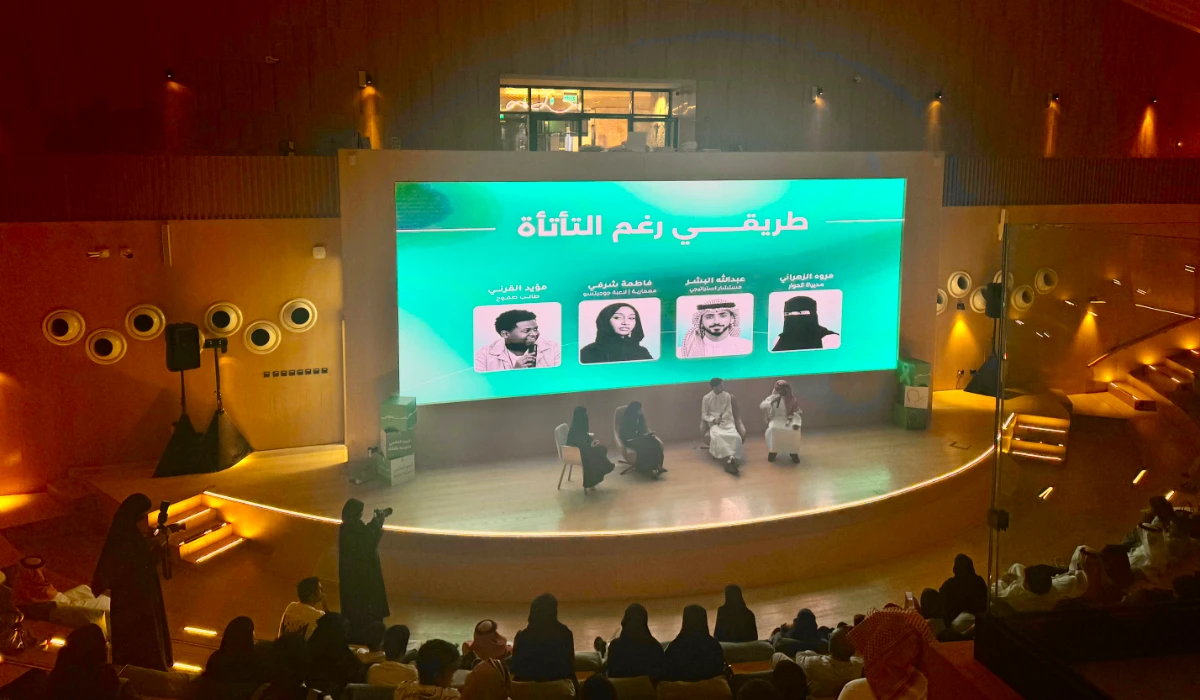
JEDDAH, 10 March 2008 — Education, which is among Saudi Arabia’s top priorities, will be in focus for four days from today, with an exhibition and a high-profile symposium at the Jeddah International Exhibition and Convention Center.
Dr. Ali ibn Nasser Al-Ghafis, the governor of the General Organization for Technical Education and Vocational Training, is scheduled to formally open the event at 5 p.m.
More than 150 educational institutions are participating in the annual Middle East education and training exhibition and symposium featuring major groups from Malaysia, the UK, Cyprus and Canada and individual participants from Australia, New Zealand, France, Switzerland, Ireland, Germany and India, in addition to the Arab world.
The exhibition profile includes universities, polytechnics, private schools, language schools and centers, audiovisual and computer training and software, vocational education and training, distance education, educational equipment and supplies, textbooks and curricula, and educational furniture and systems, Zahoor Siddique, exhibitions director at Al-Harithy Company for Exhibitions (ACE), which is organizing the annual show, announced yesterday.
The event is taking place at a time when the Kingdom’s economy is booming and investment in education is growing by leaps and bounds.
The Kingdom’s education budget is one of the highest in the world. The Kingdom remains the single largest market in the Middle East for educational equipment and supplies. The 2008 budget includes the establishment and refurbishment of thousands of schools and the introduction of a vast array of new technology.
While the Kingdom’s achievements in education are astounding with one of the world’s lowest student-teacher ratios, demographic and social changes are placing growing demands on the traditional state funded system. A proportion of the budget is now flowing into the private sector with further involvement currently being considered in all aspects of maintenance and upgrading of existing schools.
The education sector has witnessed important developments over the decades. Several thousand elementary, intermediate and secondary schools have been established, in addition to colleges, higher education and technical institutes and universities.
The budget allocation for higher education has increased from just over $5 billion in 2004 to over $14 billion in 2007. As a consequence, the Kingdom has made tremendous progress in higher education in recent years. By 2010, Saudi universities will be able to absorb a good proportion of secondary school graduates in its 19 universities.
The Kingdom has set aside more than a quarter of the 2008 budget for human resource development including higher education, and technical and vocational training, with a view to meeting the growing needs for Saudization.
This year’s budget is also aimed to boost scientific research and technological development. Special allocations have also been made to train teachers, develop academic curricula and improve education atmosphere, with SR39 billion set aside for building schools, universities and training centers and institutes.
“It is against this background that the annual education event assumes importance,” Siddique said, adding that the symposium will be addressed by academics and experts in their respective fields.