DUBAI, 3 June 2008 — The Airport Show that opened yesterday in Dubai illustrates the ongoing aviation boom in the Middle East, South Asia and Africa and the opportunities and challenges for the region’s future airports. Attracting a record number of 600 suppliers from 40 countries, and over 100 civil aviation authorities and airports, the event was officially opened by Sheikh Ahmed ibn Saeed Al-Maktoum, president of the Dubai Civil Aviation Authority and chairman of Dubai Airports. He then toured the main exhibition hall, meeting representatives from the world’s leading airport supply and construction companies.
Capitalizing on record oil-generated surpluses, GCC countries are investing $43 billion in various airport projects and the expansion of existing facilities. According to a recent study of the Middle East, South Asia and Africa, more than $68 billion is being invested in various airport projects in the Gulf, Jordan, Iraq, India, Sri Lanka and across the African continent. Growth in the region’s aviation sector and increasing air passenger traffic shows no sign of slowing. The International Air Transport Association (IATA) has estimated the average rate of growth in passengers carried at 6.8 percent per annum in the Middle East until 2011. Airbus predicts that Middle East passenger traffic will grow at 7.1 percent per annum until 2015, compared to a global average of 5.3 percent. Expansion works at Dubai International Airport worth $4.5 billion, including a third terminal and two new concourses, will enable the airport to handle up to 70 million passengers annually. The Abu Dhabi International Airport expansion will increase the airport’s capacity to 40 million passengers per annum.
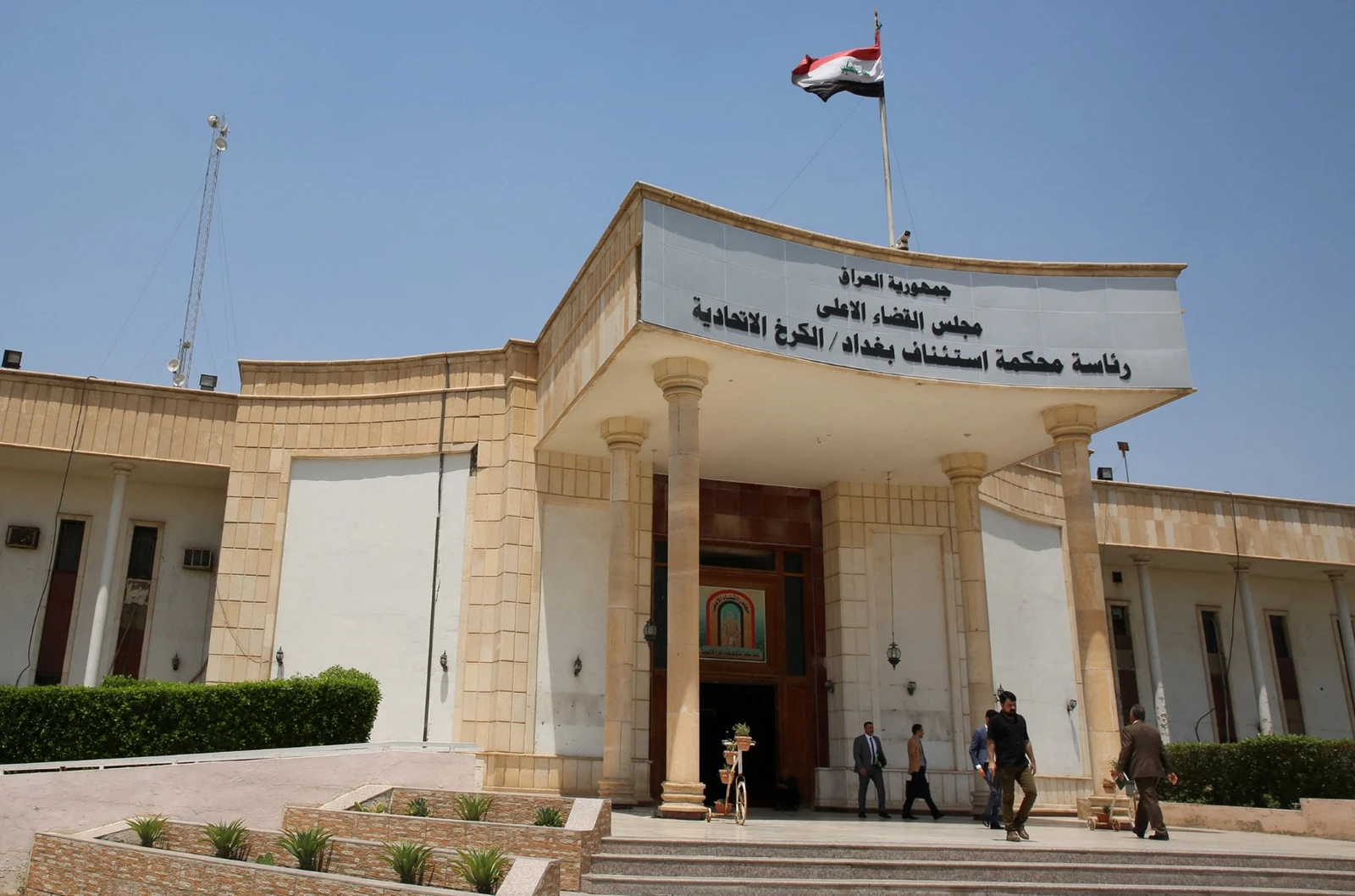
The new $10 billion Dubai World Central Al-Maktoum International Airport will have two mega-terminals, six runways and six concourses when complete, and a capacity of more than 120 million passengers annually. Qatar’s $5.5 billion Doha International Airport will have the capacity to handle 60 million passengers by 2020. Kuwait also has begun a $2.1 billion airport expansion project, while Bahrain is spending some $335 million on expanding its existing facilities. Other major developments include Saudi Arabia’s Jeddah, Madinah and Tabuk airports at a total cost of $11.3 billion, along with the modernization of smaller airports in India at $4 billion, and further projects worth $3.5 billion and $2 billion respectively in Libya and Baghdad.
Meanwhile, Dubai Aerospace Enterprise (DAE) has added another 50 aircraft worth $2.5 billion (AED9.1bn) to a shopping list that already stands at $29bn. DAE is on its way to build a globally recognized aerospace corporation that encompasses manufacturing, services, airports and education. According to reports, DAE which last year ordered up to $13.5 billion worth of aircraft from Airbus wants to buy single- and twin-aisle planes over the next 18 months. The one-year-old company is owned by the Dubai Government.