- UK universities collaborate with Palestinian writer and activist to maintain his personal papers
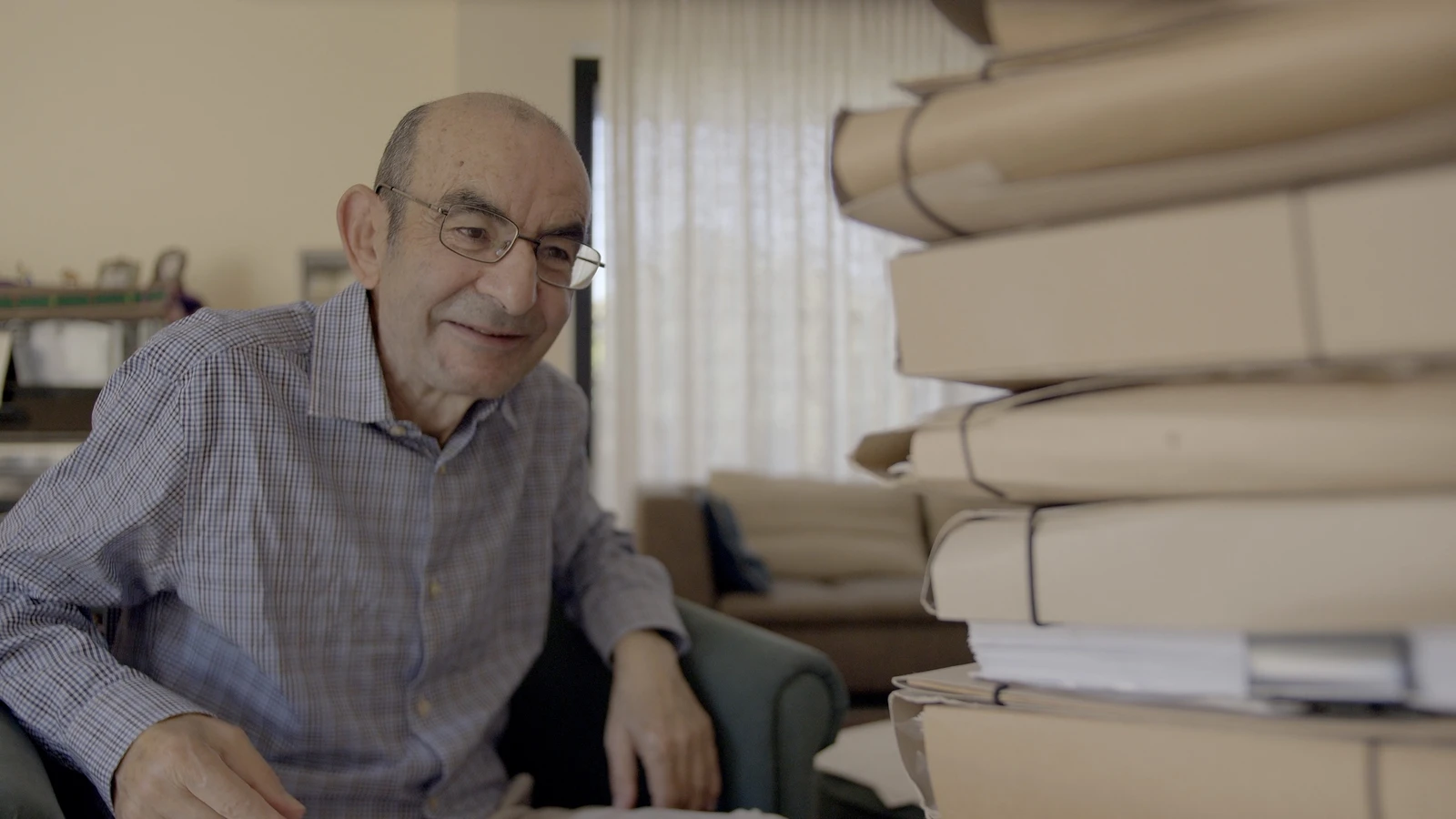
JEDDAH: For more than six decades, Palestinian writer, lawyer and activist Raja Shehadeh has diligently documented his life, creating a remarkable first-person record of Palestinian history. His diaries, personal papers, poetry, correspondence, and other documents (including some belonging to his father) tracing his life from 1967 — when he was 15 — are now preserved in the UK.
The compilation of the Raja Shehadeh Archive was led by writer and journalist Matthew Teller, working with the University of Edinburgh’s Alwaleed Centre for the Study of Islam in the Contemporary World, the University of Exeter’s Institute of Arab and Islamic Studies, and the Educational Bookshop in Jerusalem. (Teller stresses that the decision to house the archive in the UK was entirely Shehadeh’s.)
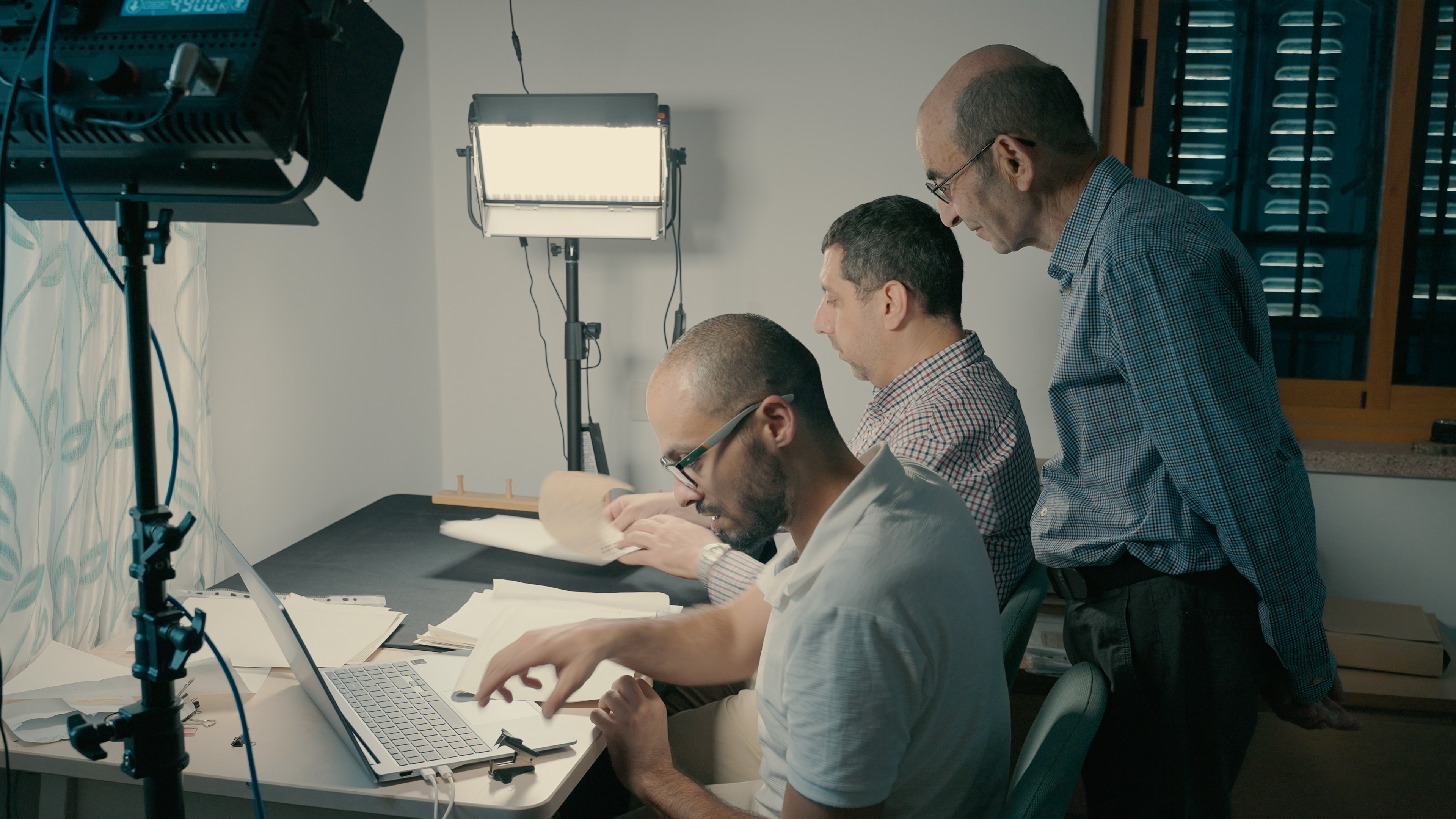
The physical papers — previously stored in Ramallah — are now at Edinburgh’s Centre for Research Collections, with digital copies held by the Digital Archive of the Middle East at Exeter. The archive was launched on Sept. 3 at an event at the Alwaleed Centre. Around 4,000 pages have also been made publicly available on the DAME website.
“As the Gaza genocide deepened in late 2023 and early 2024, it became clear that Israel was viewing museums, galleries, libraries, places of worship, universities, and other sites of cultural importance as targets to be obliterated,” Teller told Arab News. “The bombardment has destroyed countless personal and institutional archives.”
In a statement, Shehadeh said he is “happy and relieved” that the archives are now safe.
“I have long been aware of Israel’s destruction of Palestinian archives in Beirut, Jerusalem and elsewhere, and of the importance of preserving Palestine’s cultural heritage,” he said, adding that he is “profoundly grateful” to the universities involved.
His diaries document meetings with notable figures including former Palestinian President Yasser Arafat, King Hussein of Jordan, and the late US President Jimmy Carter. They also trace Shehadeh’s role as legal counsel to the Palestinian delegation in peace talks following the 1991 Madrid Peace Conference, and his experiences during the Israeli military incursion into Ramallah in 2002.
Dr. Kholoud Al-Ajarma, deputy director of Alwaleed Centre, noted “the great responsibility academia has in safeguarding this body of knowledge.”
She said: “By preserving and making the archive accessible to students, researchers and the wider public, we seek to support a richer and more inclusive understanding of Palestine.”
“With Israel’s army and settler groups fueling a spread of violence in the West Bank, we had to face the uncomfortable reality that, even aside from the threat to life, Raja’s papers were increasingly at risk of seizure or destruction if they stayed in Ramallah,” Teller said. “These threats meant we had to act quickly. To their credit, Edinburgh and Exeter universities understood this, and responded with exceptional speed and resourcefulness to ensure that Raja’s papers could be made safe, first by digitization, and then by transport out of the country.”
Mahmoud Muna, co-owner of the Educational Bookshop, one of the last remaining Palestinian bookshops in Jerusalem, ran much of the operation on the ground and described it as “one of the most complicated and rewarding projects” in a statement.
“Working discreetly in multiple secret locations with local and international teams in order to execute this vitally important project to the highest standards is a story in itself,” he added.
“There were serious risks in moving these papers out of storage,” Teller said, noting that no laws were broken, but explaining that the team in Ramallah could still have faced searches and the arbitrary confiscation or destruction of property at Israeli military checkpoints. “Their courage in bringing these unique archival papers to safety is to be commended,” he said.
Shehadeh’s diaries are valuable, he continued, not only because they provide accounts of major political events, but also because they are the record of a Palestinian life lived through them.
“Cultural heritage matters, but it is not more important than people, and the death and trauma caused by Israel in Palestine since we began this task is appalling,” Teller said. “It is an honor for me, in this context of heartbreaking loss and bereavement, to stand alongside Raja in his act of resistance.”
Under the agreement negotiated by Shehadeh, Edinburgh University will preserve and manage the material in perpetuity, while he and his heirs retain full copyright and control.
Access will be free, with specific guarantees for Palestinian scholars. “Remember that Raja is a lawyer,” Teller said. “Raja’s archive always was — and still is — unequivocally Palestinian.”
It could be argued that the preservation of the archive is, in some way, the preservation of Palestine. It at least ensures that this account of what happened to Palestinians cannot simply be bombed out of existence, and can now be studied beyond the circumstances that put it at risk.
“We hope that the threats facing Palestinian literary and cultural heritage will end,” Muna said, “so that Palestinian cultural heritage can be made accessible to all where it naturally belongs: in Palestine.”