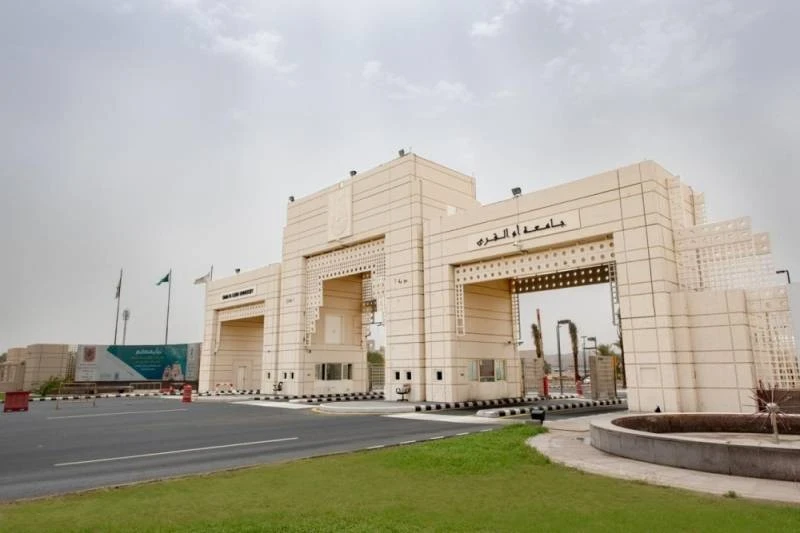
Talking about financial corruption in government departments is a complicated matter because you may, intentionally or unintentionally, delve into a prohibited area. The word “corruption” itself has negative connotations, regardless of where it takes place or its size. People often speculate about corruption and financial mismanagement in government departments. They imply this when they say, “Look at this government building. It has not changed for years; the services are terrible.”
In such a scenario, one cannot allege financial corruption, as there is no proof. I always try to stay away from idle talk and being suspicious, something that cannot be relied on. However, it is our social responsibility as citizens as well as writers to criticize administrative shortcomings. Corruption is not always financial. It can be of an administrative or planning nature. Loopholes can also appear in strategies. Ministries and government departments are not immune from mistakes or violations; otherwise we would not have crises such as shortages in water and flour, deaths of camels and uncontrolled foreign manpower.
Many government institutions are in need of being corrected in spite of an abundance of resources. This begs the question: What is wrong? Is the corruption financial, administrative or planning? Is it a matter of people being unqualified or an issue of nepotism?
Ours is a rich country, so it is only logical that there be no crises. However, for there to be problems while being immensely well-off raises the question of who is responsible. Do we not know the size of our population, the services that are required and the cost of these projects?
Only two months after his appointment, Minister of Social Affairs Yousef Al-Othaimeen announced some financial discrepancies in his ministry in which millions of riyals in aid money went to undeserving people. Some people, inside or outside the ministry, were behind this. Now it is time to uncover those responsible, something that would lead to the opening of many files in lots of government departments.
I do not know how the authorities will deal with the case. How will they monitor various ministries and check every document there? The Ministry of Social Affairs, which is the closest gover-nment agency to the poor and the needy, is responsible for unraveling these violations. It has the courage to announce misdemeanors, something that is a positive change. This should not just be something for the newspapers to feed on, but should continue right until the end when the facts ultimately get revealed.
We need to have a deep sense of accountability. Violations should be immediately detected and made public. There is no work without mistakes, but mistakes should not go undetected and unpunished.
The Kingdom’s resources should be used for the welfare of the country and its people. Anything other than this is a gross violation. The example set by the Ministry of Social Affairs should be copied by other ministries and government departments. We need to put every riyal of public money in its right place. We also need to put the right man in the right place.