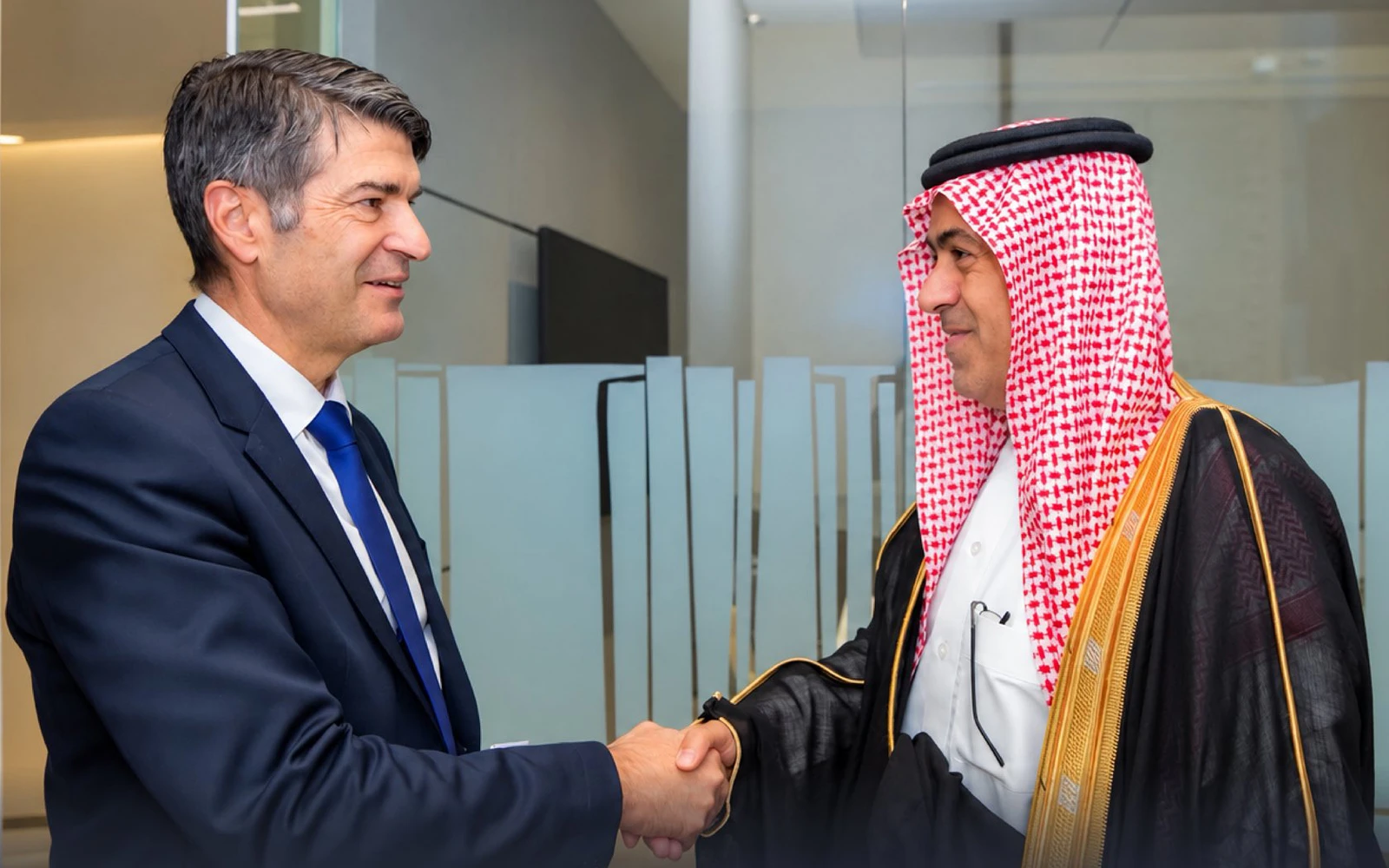
RIYADH: Minister of Islamic Affairs, Endowments, Call and Guidance Saleh Al-Asheikh has ordered that the volume of loudspeakers be limited during prayers, Al-Watan newspaper reported yesterday.
“Some imams increase the volume of the loudspeakers resulting in a lack of clarity in their recitations and thus defeat the purpose of using the device,” Al-Asheikh said while addressing a meeting of the directors of the ministry’s branch offices in Riyadh on Wednesday. “This creates a situation of worshippers inside the mosque or those outside not hearing the recitation properly.”
Many mosques are located within blocks of each other, so the use of loudspeakers for sermons and prayers can create audio dissonance that makes it difficult for those outside to follow along between one sermon or prayer and another going on nearby.
“A loudspeaker is fine for calling for prayers, but it should not be used by an imam while leading the prayer,” he said.
“In fact, there are scholars who believe that the loudspeaker should be turned off when the imam starts the prayer because the high volume is required only while calling for prayers and not while offering prayers,” said Al-Asheikh.
“The Prophet, peace be upon him, said: ‘You all are in secret communication with your Lord (while in prayer), so you should not raise your voice above the other while reciting.’”
The minister lauded the orderliness and discipline that prevail inside mosques these days.
“Compared to the state a decade ago, the discipline inside mosques is noteworthy,” he said. “It is because the imams and khatibs (preachers) are aware of their duties and roles, and do not interfere in unnecessary matters.”
The minister stressed the determination of the ministry to improve the performance of imams and khatibs in Saudi mosques.
“The ministry has arranged a number of programs at different regions with the aim of training and rehabilitating preachers and imams. The programs have been classified into different levels,” Al-Asheikh said.
He disclosed the ministry’s plan to prepare a charter for imams and another for preachers, so that they are clearly and fully aware of what they should and should not do.
“The charter will define their conduct while leading prayers and at other times in mosques. It will give them a clear idea of what they are required to do, so they will not conduct activities in mosques as they please. The charter will be available in all the branches of the ministry and all new imams and preachers will have to sign it at the time of appointment,” the minister said.