KABUL: Dozens of Indian laborers have been forced to take refuge in Kabul’s Sikh temple after job agents who promised lucrative jobs in the unstable capital disappeared, leaving the men penniless and without passports.
Billions of dollars in Western military contracts have turned Afghanistan into an unlikely magnet for migrant workers willing to risk their lives for a more lucrative pay packet.
Around 200 stranded men were crowded into the Karte Parwan Gurdwara, the center of Afghanistan’s small Sikh community, last month. Many flew home after their families scraped together funds for flights and travel documents, but over 30 are still stuck.
Mumbai native Subhedar Khandu is one of them. He said he paid 150,000 Indian rupees ($3,300) to an agent who promised he would earn $800 a month doing construction in Afghanistan. “I took out a loan to pay the agent, who I met in Mumbai. I thought I would get a one-year contact,” Khandu said.
Instead, when he arrived in November, he was locked up in a house with other laborers, given only one meal per day and no work or salary. When his visa expired a month later, the agent vanished and the men turned to their embassy in desperation.
Contractors supplying foreign troops in Afghanistan often rely on foreign migrant workers for menial but comparatively well-paid jobs in construction, food preparation and other fields.
Many of those stranded had been transferred from Dubai. “About six months earlier, we had stray cases of Indians sent by unscrupulous agents to Afghanistan from Gulf countries, mainly from Dubai, on the false promise of remunerative employment,” the Indian Embassy in Kabul said in a statement.
“This trickle suddenly turned to a veritable flood, including also some cases of use of fraudulent visas,” the statement added. The embassy is helping cover the costs of feeding the men, and has also sent doctors to check their health, but declined to give an overall total of the number affected.
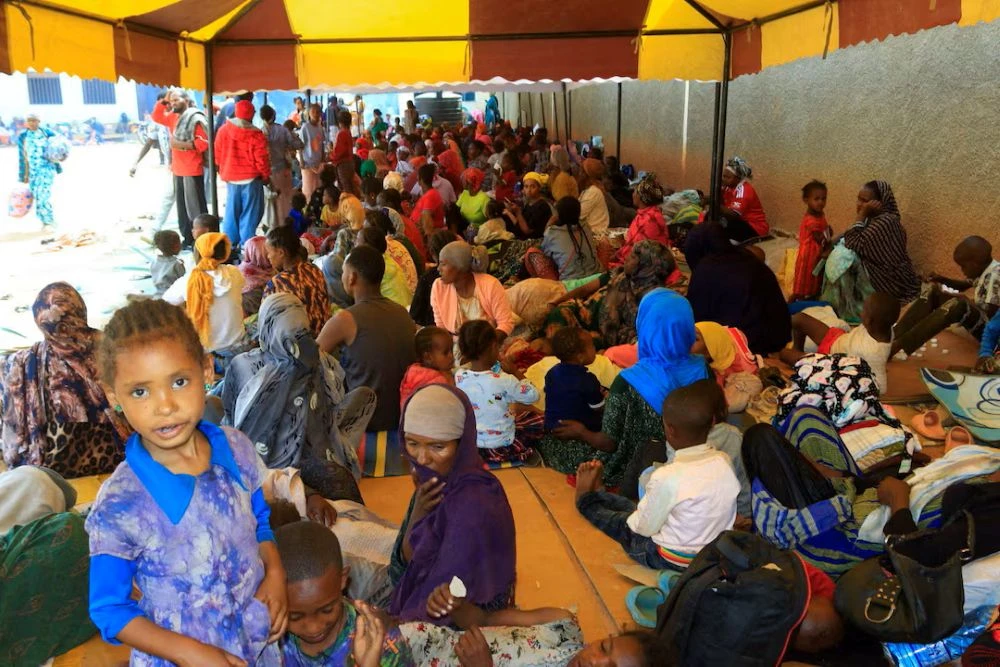
Diplomats helped arrange for the men stuck in Afghanistan to stay at the Gurdwara. Sikh temples traditionally have a free food kitchen attached, and in Kabul a central hall has also been turned into an ad-hoc refugee camp.
A mix of men from Rajasthan, Mahrashtra, Andhra Pradesh and other Indian states now spend most of the day huddled round a brazier or dozing under blankets waiting for rescue. They are trained as carpenters, electricians and masons, but work is short in Afghanistan and they worry about security problems if they go out.
The embassy says it is doing as much as it can to help this batch and prevent a repeat of the fiasco.