
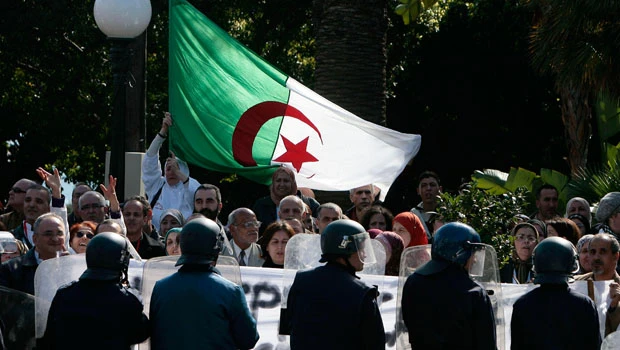
- ALGIERS: Algerian doctors on strike for better pay and conditions staged a rare protest in front of government headquarters on Wednesday in a fresh sign of social tensions in the energy exporting North African country.
In the past six months, mounting public anger over rising prices, unemployment and poor housing has led to a wave of strikes and sporadic rioting.
Algeria, which supplies about a fifth of Europe's gas needs and is the world's eighth biggest oil exporter, is wrestling with social problems while also trying to stamp out an insurgency by a small hard-core of Al-Qaeda militants.
About 300 protesters, after a brief stand-off with riot police, were allowed to gather in a small park opposite the building housing the government headquarters.
The doctors, many of them in white coats, chanted "the health-care system is in danger" and waved soccer-style red cards in the direction of the building where Prime Minister Ahmed Ouyahia has his office.
It is unusual for a protest to be allowed anywhere near the government headquarters. Security there has been extremely tight since an April 2007 bombing, which Al-Qaeda said it carried out, ripped off part of the building's facade.
Doctors' union leader Mohamed Yousfi said 80 percent of Algeria's nearly 40,000 public sector doctors were on strike, though this figure has not been confirmed by the government. The doctors are demanding more pay, benefits and time off work.
"These health-care practitioners are neglected, they are treated with contempt, and they are pushed into going into private practice or going abroad" Yousfi told Reuters.
He said the strike and protests would continue until the government met the union's demands. "We are determined. ...there is no question of turning back," he said.
Inflation in Algeria last year was 5.7 percent, according to official figures, though price rises for some food staples reached double digits. The government has raised civil servants' pay but they say inflation has canceled out the increases.