- MAKKAH: Local residents in Makkah — both Saudis and expatriates — have expressed concerns at “unsafe” construction sites across the city, which are dangerous to pedestrians and breed disease-carrying mosquitoes.
As a result, residents are calling on the authorities to fence the sites off to ensure pedestrians are not hurt and drain pools of water where mosquitoes breed.
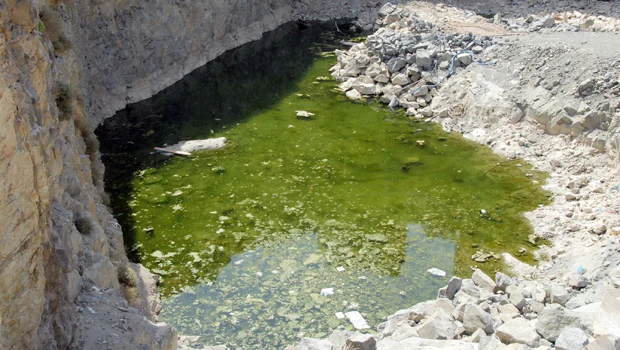
“There are many construction sites which consist of deep pits, trenches and holes. Some of these huge pits, which are over 30 square meters deep, are filled with water, which are perfect breeding grounds for mosquitoes that carry many types of dangerous diseases,” said one resident.
Another resident complained that many of the construction sites are not properly fenced off. “They pose a danger to passersby, especially children, women and the elderly,” he said.
Arab News visited a number of construction sites in the Sheesha, Rie Yakhsh and Al-Zahran districts, and other sites near Sitteen Street and the Makkah-Jeddah Expressway. All of these sites were potential threats to public safety as described by the residents.
Brig. Gen. Jameel Arabaeen, director of the Civil Defense in Makkah, said the construction sites come under the jurisdiction of the Makkah municipality and his department can only interfere if it receives a direct complaint from local residents.
Dr. Muhammad Abdul Wahab, a medical consultant specializing in chest diseases, said stagnant water serves the breeding ground for mosquitoes that carry diseases such as malaria, typhoid and dengue fever.
Abdul Salam Mashat, undersecretary for utility affairs at the Makkah municipality, said the municipality is informing owners of the sites that it is their duty to drain stagnant pools of water.
“If they fail to abide by the municipality's regulations, we will take steps to fill these pools with huge rocks. Some of these sites have already been filled this way,” he said, adding that the municipality is also forcing owners to fence off their sites.
Mashat added that the municipality has been active in spraying insecticides at places where water gathers across the city to prevent the spread of dengue fever and other infectious diseases.