- ISLAMABAD: Pakistan's prime minister on Monday called on political parties and religious leaders to help the state and army fight militancy after suicide bombers killed dozens in the country's most economically important region.
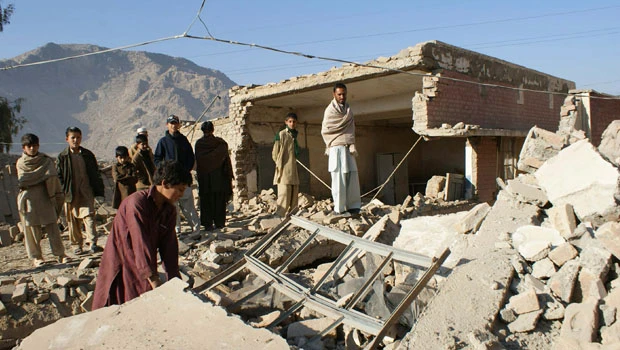
At least 42 people were killed and 175 wounded when two suicide bombers struck Pakistan's most important Sufi shrine on Thursday night, the second major attack on Pakistan's cultural hub and traditional seat of power Punjab Province in a month.
The attack in the eastern city of Lahore renewed pressure on the US-backed government to curb attacks carried out by Taleban insurgents, who have have proven resilient following several offensives the military said had weakened them.
Prime Minister Yusuf Raza Gilani opened a special high level meeting on law and order by expressing "great concern" over the latest bloodshed and calling for a national conference to formulate a strategy to combat terrorism.
Gilani was quoted in a statement from his office as saying the federal government could not handle the problem on its own.
"Beside the army and law enforcing agencies, the terrorism, sectarianism and ethnic divide need to be handled by the important pillars of the state including public representatives from all the political parties, religious leaders and civil society," he said.
No one claimed responsibility for the shrine attack, but officials have blamed "Punjabi Taleban" — a term used for militants drawn from the province who have ganged up with Taleban in the northwest and have also forged ties with Al-Qaeda — for previous attacks in the province.
Militants may have been trying to whip up emotions by attacking sacred religious sites in a bid to destabilize Pakistan, a nuclear-armed, regional power that Washington sees as critical in the fight against the Taleban in Afghanistan.
A new wave of domestic violence and deeper public discontent could distract Pakistan's government, which analysts say is busy maneuvering to gain maximum leverage in Afghanistan if peace is negotiated, in order to counter enemy India's influence there.