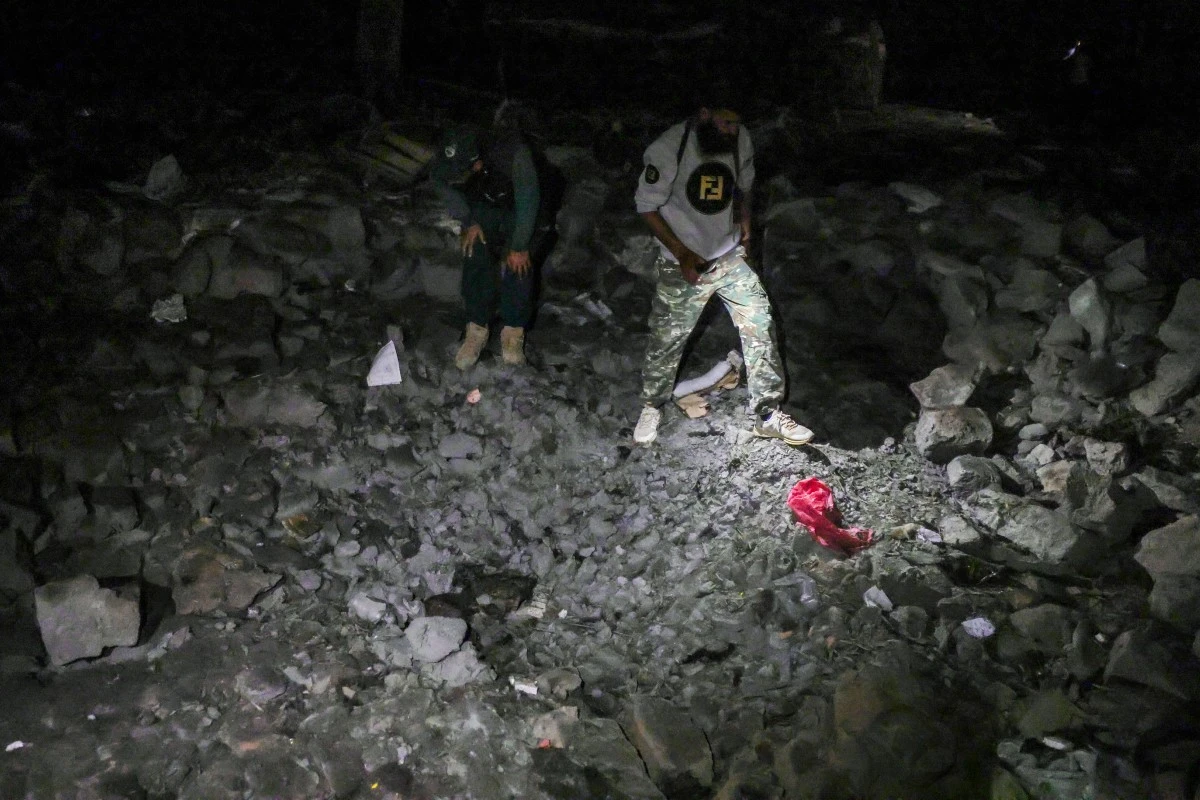
- SANAA: Yemeni forces do not need foreign parties to take the lead in the crackdown on Al-Qaeda, an official said on Thursday, responding to reports that the US may increase strikes on the militant group's Yemen wing.
The security official disputed statements from US officials that they may step up attacks and argued that Yemen is able to fight Al-Qaeda without outside intervention, state news agency Saba reported.
He also said US officials have exaggerated the size and danger of Al-Qaeda in Yemen. "Press leaks published in US and Western media that exaggerate the size of Al-Qaeda and the danger that it poses to Yemen's stability and security," Saba quoted the official as saying.
"Yemeni forces, with support from friends and brothers, can bear complete responsibility for annihilating Al-Qaeda elements and whatever destructive elements assist them," he said.
Yemen launched a crackdown on Al-Qaeda in the Arabian Peninsula, the group's regional Yemen-based wing, after it claimed a failed attempt to bomb a US-bound plane in December.
The United States has been involved in Yemen's fight against militancy for a number of years, but the failed bombing so alarmed Washington that it further stepped up its training, intelligence, and military aid to Yemen and sent special forces there.
The United States' role was called into question earlier this week when Amnesty International released a report which said that US forces appeared to have collaborated with Yemen in attacks on militants that violated international law.
The human rights watchdog said that aerial bombings of Al-Qaeda suspects were extrajudicial killings, and urged the US to clarify involvement of its forces or drones in such attacks.
In May, Yemeni opposition media reported that a drone had carried out an air strike aimed at Al-Qaeda that mistakenly killed a government mediator, sparking clashes between government forces and his kinsmen.
Al-Qaeda militants have stepped up their assault on Yemeni security personnel since June, claiming responsibility for attacks that have killed dozens of people and calling them reprisals for the state's increased collaboration with the US. On Wednesday, US officials said they may consider increasing pressure on Al-Qaeda's Yemen wing using similar methods to their covert drone attacks against the militant group in Pakistan.
Yemen, also struggling to curb a rising secessionist movement in its south and cement a truce with a rebel insurgency in its north, has faced increased pressure to resolve its domestic conflicts in order to focus on Al-Qaeda.
Despite a spike in violence in the southern flashpoint province of Abyan over the past week, which the government has mostly blamed on Al-Qaeda, the Yemeni security official said that state forces were gaining ground against militants.
"Al-Qaeda is now seeing big declines in its ranks, whether from continuing strikes carried out by the security apparatus or the surrender of a number of the leadership and elements of the organization, or from arrests," he said.