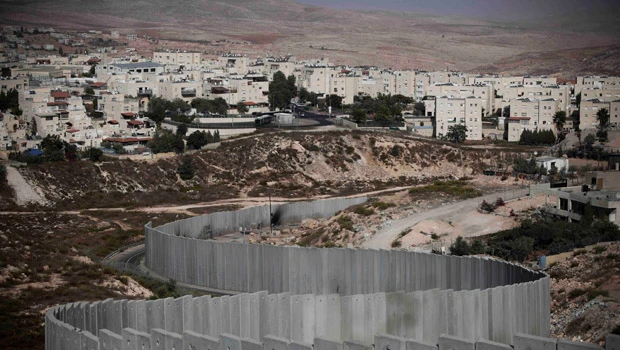
- JERUSALEM: Israel has signed off on the construction of 238 homes in East Jerusalem, bringing an end to an unofficial building freeze in the traditionally Arab sector of the city and further complicating peace talks stuck over the broader fate of West Bank settlements.
The Israeli Housing Ministry's announcement that developers would be allowed to bid for contracts to build new homes in the neighborhoods of Ramot and Pisgat Zeev drew swift condemnation Friday from Palestinian negotiators.
US-brokered peace talks that began in early September are currently deadlocked over a Palestinian demand that Israel extend a slowdown on settlement construction that expired last month. The Palestinians are threatening to quit the negotiations unless Israel reinstates the building restrictions. Israeli Prime Minister Benjamin Netanyahu has refused to do so.
Both sides have indicated a compromise is possible, but US mediators scrambling to keep the talks alive have failed to break the impasse so far.
Israel's decision to renew construction in East Jerusalem further soured the atmosphere.
"This announcement is a very clear-cut indication that the choice of Mr. Netanyahu is settlements, not peace," Palestinian chief negotiator Saeb Erekat said, charging the Israelis with "closing all doors on attempts to revive the direct negotiations." Netanyahu's office refused to comment.
The United States said it was disappointed by the Israeli plan. "We were disappointed by the announcement of new tenders in East Jerusalem. It is contrary to our efforts to resume direct negotiations between the parties," State Department spokesman Philip Crowley told reporters in Washington.
Israel imposed a settlement slowdown in the West Bank last November. Those restrictions did not officially include East Jerusalem, although Israel had quietly halted building there as well without explicitly saying it was doing so.
Israel discussed the new construction with the US administration and cut the number of planned units by several hundred to temper American displeasure, Israeli officials said. The US was unhappy with Israel's decision but was not caught off guard by the announcement, the officials said, speaking on condition of anonymity.
An Israeli announcement earlier this year of new building in East Jerusalem came during a visit by Vice President Joe Biden, catching the US administration by surprise and sparking a crisis in relations between the close allies.
The fate of Arab East Jerusalem is one of the most combustive issues in Israeli-Palestinian negotiations. Around 180,000 Israelis live in neighborhoods Israel has built in the eastern sector of the city since capturing the area from Jordan in the 1967 Mideast War and then annexing it. The international community has not recognized the annexation and sees the status of the Israeli neighborhoods as the same as that of other West Bank settlements.
East Jerusalem is home to around 250,000 Palestinians, who hope to make it the capital of a future state. Palestinians and the US have said Israeli construction there is provocative and undermines peace talks.