- JEDDAH: In the post-rain scenario, the Jeddah municipality is fighting tooth and nail to keep the city clean and safe for its residents, but human folly, feral cats and flies are complicating the situation.
Andalus Street and Abu Feras Al-Hamdani Street in Al-Ruwais district are usually clean; a perfect example of the diligence of municipal workers.
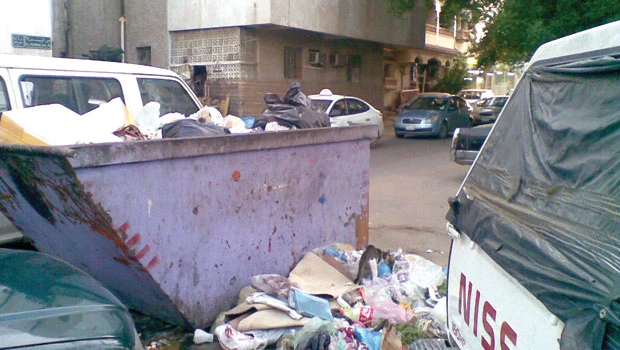
Garbage bins filled with litter belch foul smells. They are not only eyesores, but also a real concern for residents. Municipal workers start removing garbage at 4 a.m. Later on, other batches of workers resume their tasks.
Trash bags torn apart by hungry cats spread litter adjacent to the garbage bins and then to the nearest areas, which helps rats and crows to lead their lives with ease. Flies and nauseating odors worsen the situation.
Ahmad, a Saudi, said he was satisfied with the services provided by the municipality. He was all praise about workers who pumped out the rain water in record time to make their lives easy.
Asked about the garbage situation, Ahmad said trucks promptly came to remove it, but he also said there is too much trash all around. A municipality employee who was nearby when Ahmad made his comments said the municipality was trying its best to keep the city clean.
Ali and Zaheer, both Pakistani expats, said municipality cleaners were the real heroes who rise before Fajr prayer to remove garbage that could cause an epidemic.
Such trucks wading through the rain waters, not only removed garbage but also saved lives of many people since those were the only vehicles that were able to drive through water-clogged streets. In the post-rain scenario, the garbage situation is manmade to some extent. The reason is everybody wants to get rid of soiled pampers, plastic bags, hangers, aluminum foil, cartons, rotten meat, spoiled vegetables and fruits as soon as possible.
While throwing waste in the garbage bin nobody checks whether the bin is empty. Piling up garbage in some areas has become a public hazard. According to a municipal official, if residents don’t recognize their duty to help municipal workers in this regard, the situation might take a dangerous turn.
As some residents are already bearing the brunt of water-borne diseases they might face a bigger calamity in the shape of epidemics. The feral cats, flies and mosquitoes are the only beneficiaries of this situation.