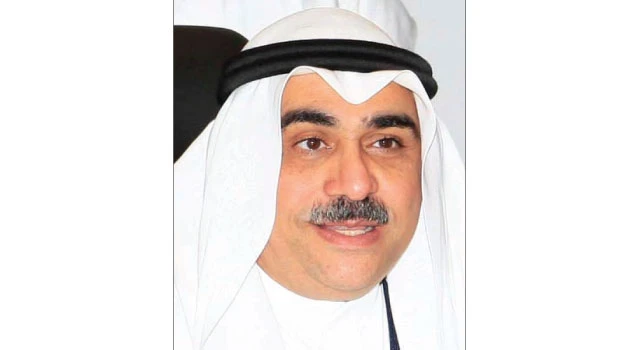
- RIYADH: Labor Minister Adel Fakieh has admitted there is corruption prevailing at some labor offices in various regions of the Kingdom and said that the imminent launching of e-services would be a major step in combating the problem.
The minister made the remarks while speaking to reporters after his visit to the Riyadh International Book Fair on Tuesday, Al-Watan Arabic daily reported.
Fakieh warned of painful punitive measures against firms that fail to implement Saudization directives. He also noted that there is no plan to establish a minimum salary for employees in the private sector.
Referring to the ministry’s mechanism for combating administrative corruption at some of its offices, the minister said that combating corruption is linked to the implementation of two basic things. “One is transparency and letting citizens who approach labor offices for various services know about the rules and regulations as well as their rights. If they know about these regulations and the conditions for getting access to these services, such a situation would mitigate the chances for corruption,” he said.
According to the minister, the second major factor is making available e-services.
“The launching of e-services would automatically sever the direct contact between the provider of the service and its beneficiary. Any citizen can contact the labor office through the Internet without appearing at the office in person,” he said.
Fakieh said the ministry is currently putting the finishing touches on a massive campaign to promote the e-services.
“Millions of citizens and owners of companies and firms are paying visits to labor offices seeking a wide variety of services. The launching of e-services would enable them to have access to services without going to labor offices,” he said.
Replying to queries with regard to the mechanism to curb bribery while issuing visas, the minister attributed such cases of bribery and corruption to the prevailing situation.
“At present, the citizens approaching labor offices are not fully aware of their rights. If they have a proper understanding about this, then they would not give any kickbacks to get such rights. Moreover, they can have access to these services after the introduction of the e-service without going to any offices,” he said.
Referring to the punitive measures against the employees who are found guilty of accepting kickbacks, Fakieh noted that punishment would not help eradicate corruption and bribery.
“Punitive measures have been around for thousands of years, but they do not put an end to this practice. The important thing is to create an environment in which corruption can’t take root and grow. We can combat it effectively if we enable the citizen to secure his genuine rights and fulfill his proper requirements without having direct interaction with anybody,” he said.
Replying to a question on the implementation of the royal decree with regard to the distribution of assistance to unemployed young Saudi men and women, Fakieh said his ministry is yet to finish the studies in this respect.
“On completion of the studies, we will announce details. Then, a report will be submitted to Custodian of the Two Holy Mosques King Abdullah for approval.”
Fakieh also said that the ministry would announce salient features of its national strategy to address the unemployment problem at a press conference in the near future. “As I mentioned earlier, the strategy would be focused mainly on offering rewards and incentives for employers who achieve the highest percentage of Saudization as well as on imposing painful punishment against those who fail to implement it,” he said.