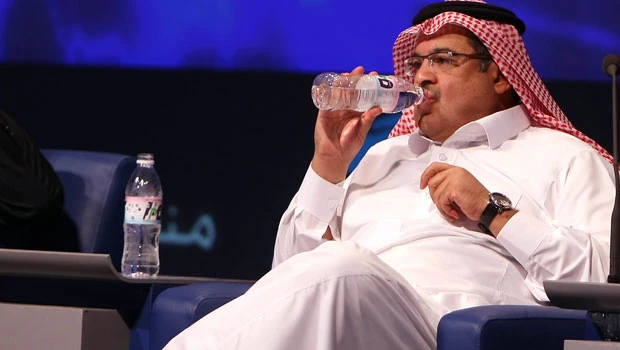
- JEDDAH: Facing a barrage of criticism at the Jeddah Economic Forum (JEF) on Monday, Khaled Al-Molhem, director general of Saudi Arabian Airlines, on Monday called for the operation of more airlines in the Kingdom to bring competition and efficiency.
“We need more airlines to create competition and improve efficiency. Right now, people in the Kingdom are depending mainly on a single airline,” Al-Molhem said when a delegate asked about measures taken to check the national carrier’s deteriorating services.
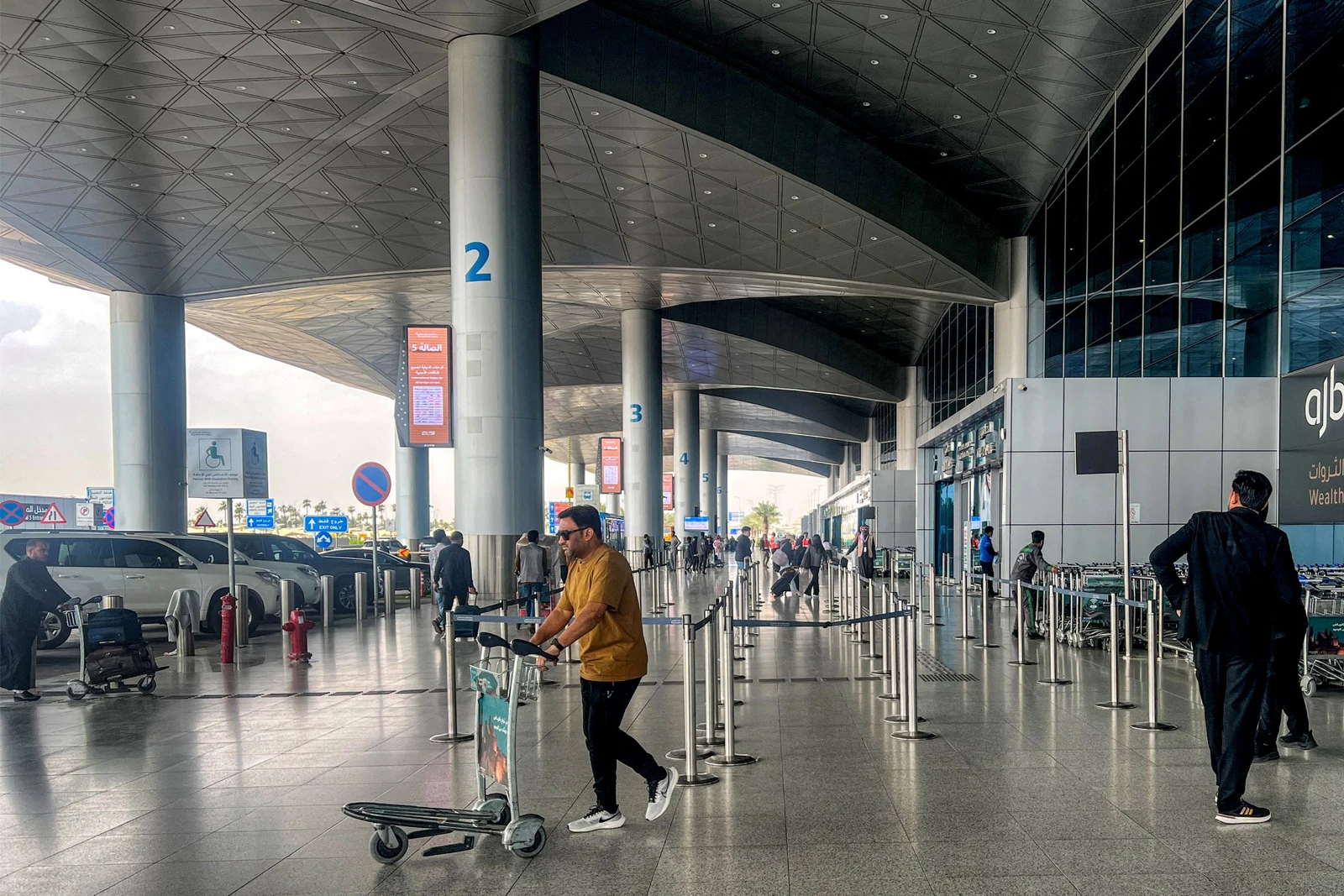
The Saudia chief blamed the Kingdom’s substandard airport facilities for the airline’s poor services, saying they are inter-related. However, he pointed out that the renovation of airports in Jeddah and Riyadh would change the situation in the near future. He said Saudi Airlines has been incurring heavy losses as a result of low-ticket fares for its flights to domestic destinations. “There has been no change in domestic ticket fares for the last 16 years. Prices of everything have gone up and the salaries of our employees have increased. So we are suffering losses,” he said.
Many Saudia passengers Arab News spoke to are highly critical of the airline’s services. One regular flier said he has stopped flying Saudia because of its poor customer and in-flight services. He said Saudia staff should change their attitude to passengers. “We are hesitant to travel by Saudia due to the arrogant and uncivilized behavior of its staff which starts from the check-in counter queue itself. We tried to approach the duty supervisor in the terminal to lodge a complaint, and we found him super arrogant,” he said.
A Jeddah-based Saudi executive complained about poor in-flight services. “Whenever I fly Saudia, I find seats in the aircraft not reclining properly, music system failing and the food not up to the mark.” She also complained about flight delays and the inability of some staff to communicate in English.
Al-Molhem acknowledged that a lack of efficient and customer-friendly staff was one of the airline’s main challenges. “All of this rests at the end of the day on how you manage your employee expectations and efficiency because the status quo has to change and that becomes the most difficult part.” Saeed Al-Ahmadi, an aviation consultant who attended the JEF session, agreed with Al-Molhem, saying there are good prospects for new airlines in the Kingdom. However, Al-Ahmadi accused Saudia of putting obstacles before other airlines by giving them failed routes. “They should open the market and give other airlines equal opportunities,” he added. But Al-Molhem said Sama private airline failed because of the price cap.
Al-Molhem said about 85 percent of Saudia’s customers were economy-class passengers, citing another reason for the airline’s low earnings.
However, he said Saudia would be able to make a lot of money from Haj and Umrah operations.
He predicted that the number of pilgrims visiting the holy cities of Makkah and Madinah would increase to 30 million within a few years. Saudi Arabian Airlines currently carries nearly 20 million passengers annually to about 100 destinations.
He emphasized the airline’s privatization plan, saying it was going forward as scheduled. “We are not selling our strategic units to make money but to improve services and efficiency,” he said. Saudia has already privatized its catering and cargo units.
Efforts are underway to privatize the ground services, technical services and Prince Sultan Aviation Academy. According to a senior official, a proposal to privatize the core aviation unit has been presented to the higher authorities for approval.