- LONDON: Libya’s top oil official said he remained in Tripoli and the country was continuing to produce some oil, although output was much reduced.
The comments from Shokri Ghanem, the chairman of Libya’s National Oil Corporation (NOC), are his first to Reuters since the start of UN-supported military operations in Libya two weeks ago.
“Oil production went down very drastically but still there is some production,” Ghanem said.
“I am in Tripoli and I am in my office.”
Several Libyan diplomats and politicians have resigned or voiced opposition since the start of the uprising against Qaddafi. Former Foreign Secretary Moussa Koussa defected and flew to Britain on Wednesday.
Ghanem has remained in his post and continued to give updates to reporters on Libya’s oil industry — a role he regularly carried out before the crisis as the head of Libya’s delegation to the Organization of the Petroleum Exporting Countries.
He has not commented to Reuters on the Libyan crisis or on political developments.
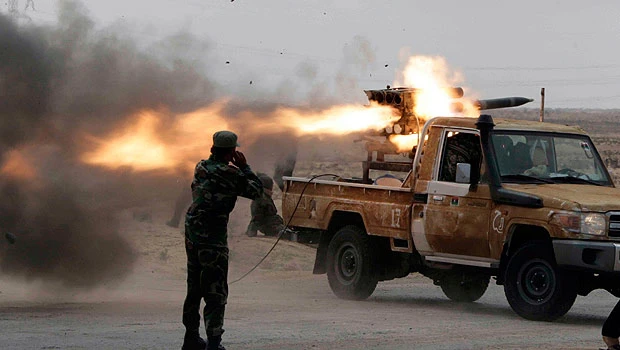
The uprising has sharply reduced oil production in Libya, Africa’s third largest producer with output of 1.6 million barrels per day (bpd), or almost 2 percent of world supply, before the crisis.
Ghanem said earlier this month Libya’s oil production had fallen to below 400,000 bpd and did not provide a new figure on Thursday. A Reuters survey estimated the country’s production fell to 320,000 bpd in March.
Oil shipments from Libya have come to a standstill, with no-one attempting to hire tankers due to violence and the impact of sanctions, according to shipping industry sources.
The United States has slapped sanctions on NOC, aiming to cut off a key source of funds for Qaddafi’s government. But Libyan rebels are seeking to sell oil produced from east Libyan fields no longer under Qaddafi’s control.