- BRUSSELS: NATO said the bombing of Muammar Qaddafi’s forces in Libya will continue as long as needed despite growing reluctance among some countries to participate, and Qaddafi cannot “wait us out.”
“As long as his forces continue to attack or threaten civilians, and as long as they continue to try and cut off humanitarian aid, our operations will continue in Libya,” spokeswoman Carmen Romero said.
His remarks came as efforts to find a deal to end the civil war in Libya intensified with a UN special envoy holding talks in Tripoli and Western powers signaling that Qaddafi could stay in the country if he gives up power.
UN envoy Abdul Elah Al-Khatib, who visited the rebels in Benghazi, is looking for a “political process” that will end a war that has failed to dislodge Qaddafi despite months of rebel attacks backed by NATO bombing raids.
Western media reports suggested that an international consensus may be emerging over allowing Qaddafi to remain in the country if he steps down.
Suggesting a shift in position, Libyan opposition leader Mustafa Abdul-Jalil said Qaddafi could stay in Libya if he resigns. Abdul-Jalil spoke to The Wall Street Journal.
The rebel leaders have given conflicting signals in recent weeks over whether they would allow Qaddafi and his family to stay in Libya as part of a deal, providing he gave up power.
In the latest comment on the issue, the opposition leader told the Wall Street Journal that it would be acceptable.
“Qaddafi can stay in Libya but it will have conditions,” he said.
“We will decide where he stays and who watches him. The same conditions will apply to his family.”
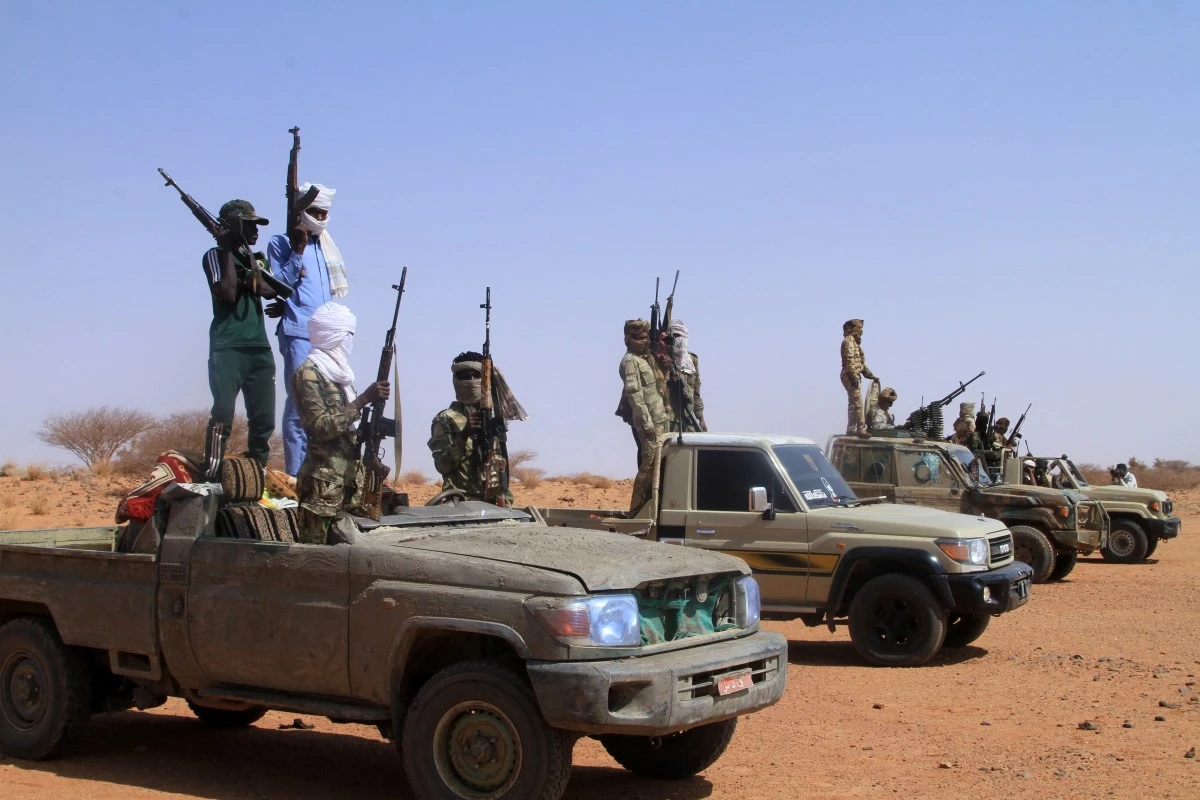
Qaddafi and rebel forces have fought their way into a stalemate, leaving the Libyan leader in control of much of the west and his Tripoli stronghold while the opposition holds the east from their bastion in Benghazi.
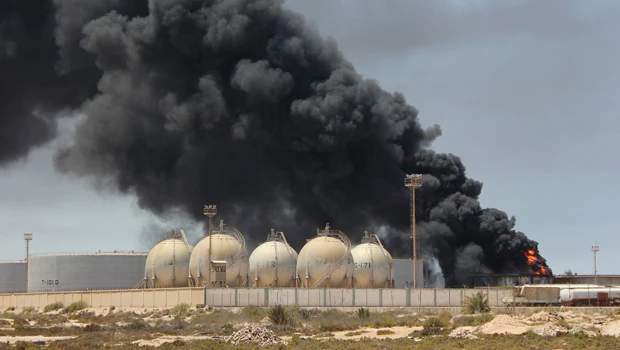
The bombing campaign — now in its fifth month — has yet to dislodge the regime.
Still, NATO has said Qaddafi should not count on any change in the tempo of operations.
“(NATO) nations are absolutely determined to continue that mission,” Romero said. “Qaddafi cannot wait us out.”
Col. Roland Lavoie of NATO’s operational command in Naples, Italy, said the alliance would continue to have the resources needed to maintain the current average of between 100 and 140 sorties a day.