
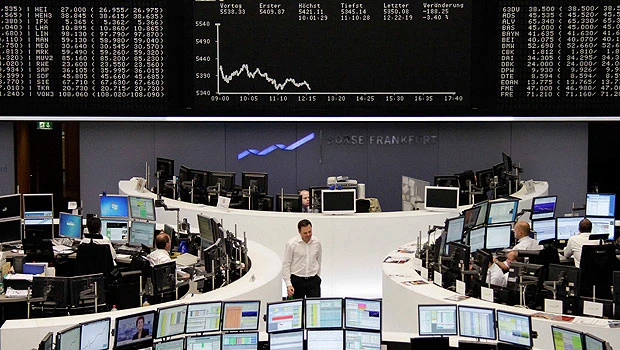
- JEDDAH: A run of weak data and heightened tensions in the euro zone prompted investors to downgrade their expectations for the global economy, pulling down stock markets, including the TASI (Tadawul All-Share Index) in August.
- Since then, data has generally remained weak, but more in line with investor expectations, and moves in economic policy have been well received.
From Aug. 24, the last day the Saudi market was open, until Sept. 3, most stock markets were little changed or up slightly. In the US, the S&P500 was flat over this period; the UK FTSE100 and Japan’s Nikkei 225 were up by 3.1 percent and 3.6 percent, respectively. Most commodity prices also rose, with Brent crude climbing by 4.1 percent and WTI by 1.7 percent, and measures of financial market stress declined.
Recent developments should reassure Saudi investors. The rebound in oil prices is particularly important, as it has occurred despite the prospect of Libyan output returning to the market getting closer. The Jadwa report said with an average price of around $84 per barrel (Saudi export crude) the Kingdom will earn enough revenue to run a budget surplus, even allowing for all the additional spending announced earlier this year. Nonetheless, the likelihood of a further decline in oil prices will hit the stock market, as it hurts the profit margins of the Kingdom’s petrochemicals sector, which is the largest component of the TASI.
New data released by the Saudi Arabian Monetary Agency (SAMA) on Aug. 25 illustrate the continued health of the Saudi economy. Key measures of consumer spending were very strong.
The value of point of sales transactions in July was at a new all-time high and the value of cash withdrawals from ATMs in July was close to its April peak.
In addition, the report said bank lending to the private sector rose by 1.5 percent in July, the second fastest rate since the global financial crisis. This lifted the year-on-year increase to nearly 9 percent, the highest since early 2009.
The continued rise in bank lending this year is a clear sign that lenders and borrowers are increasingly confident about the economic outlook and that the absence of bank credit will not be the constraint on growth that it has been in recent years.
“Prospects for the Kingdom’s economy will deteriorate if the world slips into recession, but recent data and policy steps reinforce our view that this will not happen and that instead the global economy is passing through a period of low growth. Nonetheless, further financial market volatility and weak economic data is likely,” the Jadwa report added.