
- JEDDAH: The volume of international calls from the Kingdom dramatically rose in recent weeks.
- This was especially because of the nearly 2 million foreigners visiting the Kingdom for Haj and people calling their friends and family back home to wish them a happy Eid.
However, some people have found ways to get all the phone service they need free of charge while fellow residents are left to pay the bill.
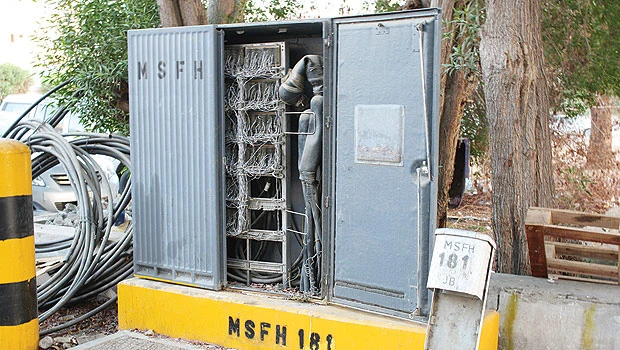
Thieves have been breaking into curbside telephone boxes, “clipping on” to the lines of homes and businesses, as the new type of fraud is being called, and stealing international phone services, leaving Saudi residents or business owners unaware they have even been robbed.
Over the last few days, Arab News has been noticing an increase in the number of telephone boxes left open for fraudsters to operate their own call cabins from and made several attempts to contact the Communications & Information Technology Commission (CITC) and local telecom companies, but due to the holidays no one was available.
The phenomenon is not limited to Saudi Arabia but has been a growing problem for many telecom providers worldwide. The US has said “clipping on” is costing telecom providers as much as $4 to $8 billion annually.
Local consumers who have found themselves victim to this kind of fraud in the past said they were forced to make arrangements with their telecom provider to enable their land lines to be password protected when international calls are made.
“I had problems with a number of international calls being made to India and African countries that neither I nor anyone in my home had placed,” Omar Mohammed, a Saudi retiree, told Arab News.
He said he reported the calls to his telecom provider, which was unwilling to waive the cost, saying that since the calls came from his number he was responsible for the payment.
“After paying an extra SR3,000 on my bill, I began using the service of password protection on my phone in order to block international calling. This has made a complete difference,” Mohammed said.
Other citizens told Arab News that the telecom companies should be more cooperative when customers come to report bogus calls on their bills and do more to protect phone lines from this type of theft.
“When a customer can prove that they have not had a history of making a large number of calls to certain international destinations and requests for the telecom provider to assist him with the charges, I think that the company should provide some good faith to their customer and help him, but instead they usually are uninterested in assisting and only worried about getting their fees,” H. Abdullah, a Saudi father of four, said.
He added that CITC should also make it impossible for thieves to gain access to telephone boxes.