
- BEIRUT: Tunisia’s economy grew by 1.5 percent in the third quarter of this year but overall growth in 2011 will be close to zero, central bank governor Mustafa Kamel Nabli said.
Tunisia’s revolution in January and the instability that followed it prompted many foreign tourists — one of the biggest sources of income — to cancel bookings.
“Net foreign currency reserves decreased by 20 percent, or 2.4 billion dinars, as of the end of Nov. 2011 from Dec. 2010,” Nabli told a banking conference in Beirut.
He said unemployment stood at 18.3 percent.
Tunisia’s draft budget, presented to the cabinet earlier this month, forecasts the economy to bounce back from this year’s slump and grow 4.5 percent in 2012. The North African country’s GDP grew 3.7 percent in 2010.
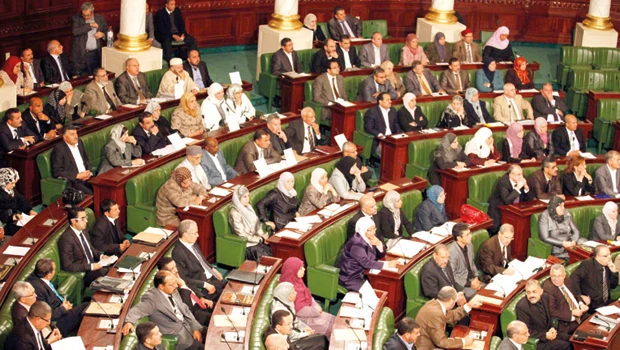
A moderate party won Tunisia’s first election since its revolution, and is expected to dominate a new coalition government. The party’s leaders have promised to pursue liberal, business-friendly economic policies.
Nabli said Europe’s economic crisis was also hitting European trade and investment in Tunisia.
“We expect GDP growth of 4 percent next year but the European crisis will dampen these figures,” he said.
Inflation stood at 3.4 percent at the end of October, and was “starting to inch up,” he added.
In May the African Development Bank said it had approved a $500 million loan to support the interim government which ruled until last month’s parliamentary election.
The emergency funding was part of a $1.4 billion package for Tunisia provided by the World Bank, the European Union and the French development agency, the AfDB said at the time.
“On top of the loans we got this year from the World Bank and the African Bank of Development, we need $5 billion next year to support the government’s budget,” Nabli said.