- JEDDAH: As part of Saudi Research & Marketing Group's (SRMG) strategy to shift from traditional to digital media and its desire to develop its services in tune with modern technological and media developments, editors in chief of the newspapers and magazines of Saudi Research & Publishing Company (SRPC) have completed the first phase of a specialized and high-level training program on new media organized in association with City University in London.
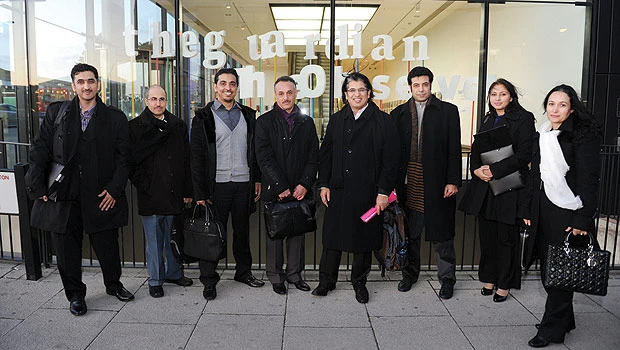
Those who took part in the first phase from Dec. 5 to 15 were: Abdulwahab Al-Faiz, editor in chief of Arab News; Salman Aldossary, editor in chief of Al-Eqtisadiah, Mohammed Al-Harithi, editor in chief of Sayidaty; Mai Badr, editor in chief of Hia magazine; Saleh Al-Dowais, deputy director general of SRPC and acting director general of Al-Khaleejiah Advertising & Public Relations; Azeddine Senegri, managing editor of Al-Majalla magazine; and Dr. Ahmed Al-Ghamrawi of Asharq Al-Awsat Arabic daily.
The second phase of the training, which will concentrate on applications, will be held at the same university from Jan. 9 to 19. The first phase saw a number of digital media experts from the university giving strategic lectures and conducting workshops on developing electronic websites. Experts in audio and visual media also gave presentations, explaining best and successful practices and the reasons for the failure of media institutions.
During the interactive sessions, the participants cleared their doubts on shifting from traditional to digital media by asking questions to the experts. The participants were also given training in digital radio sound recording, television technology and video photography as well as digital handling of pictures and television studio works.
The program included visits to major media institutions in London, including Haymarket Media Group, a leading publisher in the UK where the participants were briefed on the company’s print and electronic publications and how the company shifted its print content into digital and electronic platforms targeting different groups of clients.
The second visit was to BBC where the participants learned how things are done at one of the largest media organizations in the world. The participants learned the reasons behind the success of BBC, which is run by a large number of editors, technicians and administrators. The visit included BBC’s departments for electronic publishing, graphics and special projects.
The participants were later taken to The Guardian where senior editorial staff briefed their guests on the paper’s daily work and the problems faced by the print media as a result of the fast development of new media. Guardian officials said they had taken five years of studies and experiments to finalize the newspaper’s website. While continuing the paper’s print edition, it targets specific groups through its website.
The participants also visited BSkyB, the UK’s biggest pay-TV operator, where SRPC editors and officials learned how television and Internet editing is done as well as how its graphics and production departments work. BSkyB officials also emphasized the importance of gradually shifting from the old media to the new media and training editors on the new media that requires special skills and knowledge of modern information technology. The participants hope that the second phase of training would be equally important and useful like the first one and wanted to transfer their experience to all SRPC publications in order to facilitate the smooth shift from traditional to digital and electronic publishing and ensure the company’s continued success as the largest publishing and media group in the Middle East.
The training program came following a memorandum of understanding signed by SRMG with City University, and follows a number of workshops that focused on best practices in multimedia publishing. The program will also focus on the latest trends in the media world and various electronic publishing methods as well as how to attract more readers for SRPC publications.