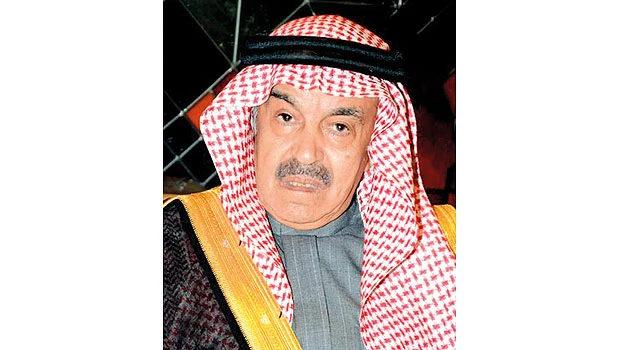
- The National Anti-Corruption Commission (NACC) will fight corruption not only in government departments and institutions but also in the private sector, said its chairman Mohammed Al-Sharif in comments published recently.
Al-Sharif called upon the public to cooperate with the commission by informing them about cases of corruption such as bribery. He said the commission was formed because of corruption in the Kingdom. "If there was no corruption it would not have been formed."
The NACC chief said he had received more than 1,000 calls related to corruption in past months. "We'll follow such cases, conduct a proper investigation before passing it to judicial authorities," he told Asharq Al-Awsat, a sister publication of Arab News.
He said the commission would carry out intensive inspection of government projects all over the country. He urged all government departments that come under the commission's purview to cooperate with it by providing the required information.
He said a royal decree has been issued urging all government departments to comply with the commission’s demands within a specific period. “Custodian of the Two Holy Mosques King Abdullah has instructed NACC to provide him with the list of departments that do not cooperate,” he pointed out.
The commission, which was established on March 18, 2011, is still at a starting stage. Al-Sharif hoped its administrative set up would be ready by this year. It will start opening branches in different parts of the Kingdom next year. Its headquarters are located in Alghadeer district of Riyadh.
"We will follow up on all public matters, interests of citizens, especially in villages and remote areas where people complain about lack of services," Al-Sharif said.
According to Article 12 of the law, the commission should establish direct channels with the public to get information about corrupt practices in the country. It has set up a special department to receive such information from the public.
Speaking about his meetings with Grand Mufti Sheikh Abdul Aziz Al-Asheikh and Islamic Affairs Minister Saleh Al-Asheikh and other government officials, he said it was aimed at mobilizing support and exploring prospects of cooperation to implement the national plan for fighting corruption and safeguarding fairness.
Al-Sharif was born in the central Saudi town of Hareeq. He took his degree in arts from King Saud University and master’s degree in management from an American University. He began his career in 1972 as director of inspection at the General Auditing Bureau before becoming the bureau’s director general in 1977. He has also worked as deputy minister for financial affairs and accounts at the Ministry of Finance. The people of Saudi Arabia are pinning great hopes on him to eradicate corruption and promote transparency in the country.