- “The Memory Bookshop” leaves you with a simple but resonant thought: The people we love may be part of the reason we keep looking backward, but they can also be the reason we choose to keep going
Author: Song Yu-jeong
When it comes to reading fiction I am a moth to a flame when there is a mysterious bookshop involved.
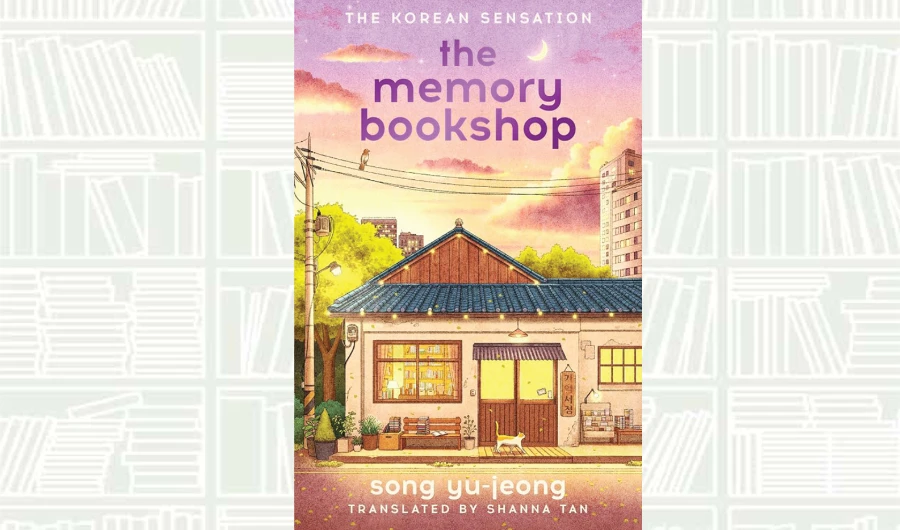
Song Yu-jeong’s “The Memory Bookshop,” translated from Korean by Shanna Tan and published in English by William Morrow in the US, was one of the summer book releases that instantly caught my eye for obvious reasons.
As an avid reader of translated fiction I tend to seek out works by specific translators whose work has stood out to me previously, and Tan has quickly earned a spot as one such translator on my radar.
The gorgeous, cozy-themed cover might fool one into thinking it is a cute and whimsical bedtime read, but within its pages is an often-sorrowful and heartbreaking depiction of a woman confronting the pain of losing a parent.
At just under 200 pages, perhaps it is no surprise that I managed to read “The Memory Bookshop” cover to cover in a single sitting, but the pacing and character arc also make the novel hard to put down.
It follows Jiwon, whose life has been unraveling since her mother’s death. It has been about seven years when we first meet her, yet she is still struggling to live with the loss.
After failed attempts to get treatment that might help her she happens upon a mysterious bookshop that exists outside ordinary time.
At the bookshop, Manager K offers Jiwon the chance to revisit three chapters of her past. There is, naturally, a catch: Returning to those memories comes at the cost of time from her future.
As she begins to deliberate over her own memories, the possibility of being able to change the past — and consequently the present — opens a can of worms that Jiwon must deal with.
Within her journey are pertinent questions for the reader: What if we could go back to the moments we regret most? Would changing them actually make us happier, or would we simply discover new things to regret?
And perhaps most importantly, what happens when we become so preoccupied with the life we have lost that we stop taking part in the one still unfolding?
At its heart, “The Memory Bookshop” is an emotional and introspective novel about a daughter getting new insight into her own family, as well as coming to terms with her mother’s death after years spent struggling with grief.
Jiwon does not simply need to learn how to stop missing her mother; she has to understand that continuing to live is not a betrayal of the person she lost.
Yu-jeong’s prose, beautifully rendered by Tan, has a gentle and frank quality that makes the novel remarkably easy to sink into.
“The Memory Bookshop” leaves you with a simple but resonant thought: The people we love may be part of the reason we keep looking backward, but they can also be the reason we choose to keep going.