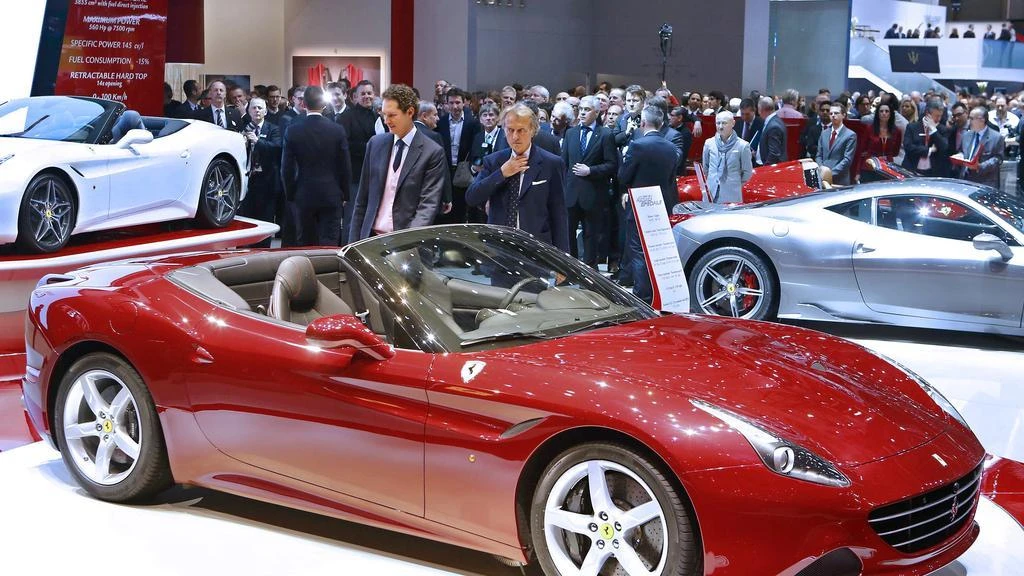
LONDON: Italian sports car-maker Ferrari says profits last year rose 34 percent, driven by a surge in V12 sales and vehicle personalization.
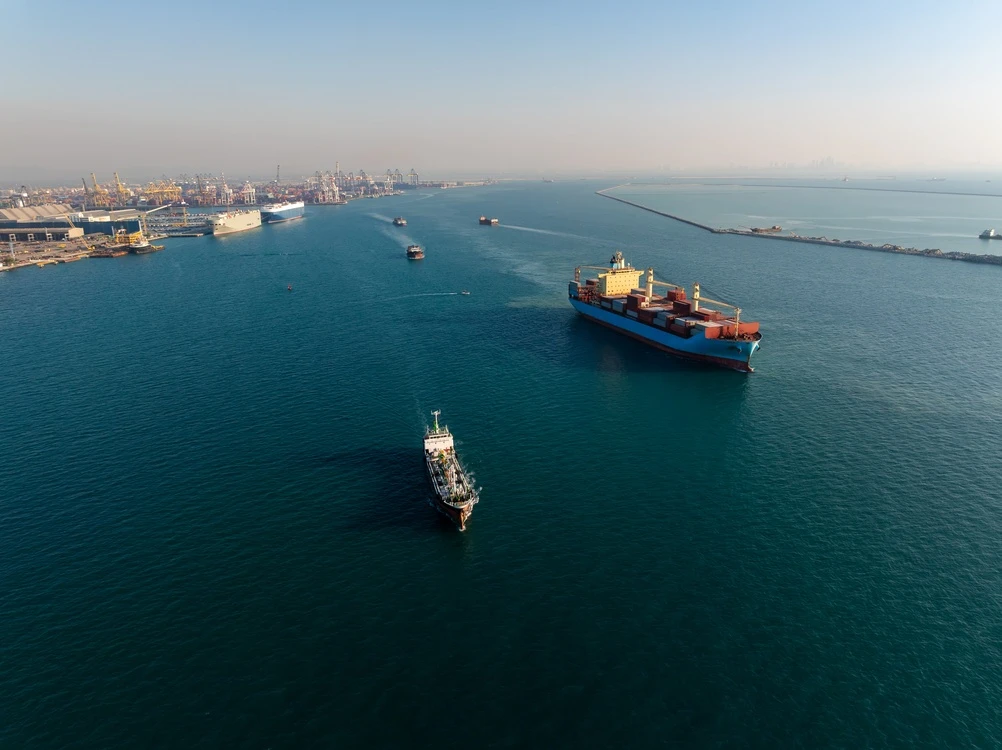
But the news from the Middle East was less than rosy. Ferrari revealed on Thursday that shipments to the region “recorded a decrease due to a reallocation triggered by tough market conditions.”
In earlier commentaries, Ferrari had disclosed that Middle Eastern shipments were down 16 percent in 2016 compared to 2014. The Italian sports auto company said the ME spanned KSA, Oman, UAE, Bahrain, Kuwait, Lebanon and Qatar.
Ferrari reported 2017 net profit of €537 million ($669 million), up from €400 million the previous year. Shipments last year rose by 5 percent to 8,398 vehicles, while net revenues increased 10 percent to €3.4 billion.
Ferrari said it is targeting 9,000 vehicles shipments this year and is forecasting revenues above €3.4 billion.
The carmaker said fourth-quarter profits rose by a quarter to €136 million on a 1 percent increase in revenues to €840 million. Shipments rose 4 percent to 2,017.
Sales were flat only in China, Taiwan and Hong Kong, due to a decision to terminate the Hong Kong distributor in 2016 and the new dealership not becoming fully operational until the third quarter of 2017.
Ferrari said sales in France, Italy and UK grew at double-digit pace, while Germany recorded mid-single-digit growth. Americas increased by 4.6 percent with South Korea, Singapore and Indonesia up about 12 percent.
George Galliers, an analyst with Evercore ISI in London, said in a note: “With increasing management appetite for volume growth, we see room for Ferrari volumes to grow about 76 percent between 2016 and 2025.
“Whether volumes do grow to this extent will depend on product execution. To deliver substantial volume growth, we believe Ferrari will need to introduce new model lines. This is not a risk-free exercise. New model lines can be a challenge, particularly for a brand as associated with high performance as Ferrari.”
Galliers also said that while not unsuccessful, per se, the broker felt that Ferrari’s longer-range GT cars have failed to attract the same level of demand as its sports-car models.
This would need to change, he said, suggesting that Ferrari should look to its archives and, particularly, the 1950s and 1960s, “when it produced a wide variety of vehicles with broad appeal which shared similar underpinnings and the fabled ‘250’ and ‘275’ engines.”
But the news from the Middle East was less than rosy. Ferrari revealed on Thursday that shipments to the region “recorded a decrease due to a reallocation triggered by tough market conditions.”
In earlier commentaries, Ferrari had disclosed that Middle Eastern shipments were down 16 percent in 2016 compared to 2014. The Italian sports auto company said the ME spanned KSA, Oman, UAE, Bahrain, Kuwait, Lebanon and Qatar.
Ferrari reported 2017 net profit of €537 million ($669 million), up from €400 million the previous year. Shipments last year rose by 5 percent to 8,398 vehicles, while net revenues increased 10 percent to €3.4 billion.
Ferrari said it is targeting 9,000 vehicles shipments this year and is forecasting revenues above €3.4 billion.
The carmaker said fourth-quarter profits rose by a quarter to €136 million on a 1 percent increase in revenues to €840 million. Shipments rose 4 percent to 2,017.
Sales were flat only in China, Taiwan and Hong Kong, due to a decision to terminate the Hong Kong distributor in 2016 and the new dealership not becoming fully operational until the third quarter of 2017.
Ferrari said sales in France, Italy and UK grew at double-digit pace, while Germany recorded mid-single-digit growth. Americas increased by 4.6 percent with South Korea, Singapore and Indonesia up about 12 percent.
George Galliers, an analyst with Evercore ISI in London, said in a note: “With increasing management appetite for volume growth, we see room for Ferrari volumes to grow about 76 percent between 2016 and 2025.
“Whether volumes do grow to this extent will depend on product execution. To deliver substantial volume growth, we believe Ferrari will need to introduce new model lines. This is not a risk-free exercise. New model lines can be a challenge, particularly for a brand as associated with high performance as Ferrari.”
Galliers also said that while not unsuccessful, per se, the broker felt that Ferrari’s longer-range GT cars have failed to attract the same level of demand as its sports-car models.
This would need to change, he said, suggesting that Ferrari should look to its archives and, particularly, the 1950s and 1960s, “when it produced a wide variety of vehicles with broad appeal which shared similar underpinnings and the fabled ‘250’ and ‘275’ engines.”