DUBAI: Most regional markets edged higher because of diplomatic efforts to place Syria’s chemical weapons under international control.
Although it is not clear that the efforts will avert a US military strike on Syria and an escalation of the conflict that might affect the Gulf, many investors have resumed focusing on positive economic factors.
“The more the Syrian story vanishes, the more people will look at the global economic backdrop and realize it’s improving,” said Sebastien Henin, portfolio manager at The National Investor in Abu Dhabi. Earlier this week, China posted stronger-than-expected industrial output and retail sales.
“At the same time, the trend is the same in GCC (Gulf Cooperation Council) economies,” Henin added of the region’s robust economic growth. “In the next two weeks, we should come back to levels before the noise on Syria started.”
In the UAE, Abu Dhabi’s Etisalat gained 0.9 percent after Morocco’s Minister of Foreign Affairs told reporters that main terms of its deal to buy a majority stake in Maroc Telecom for 4.2 billion euros ($5.5 billion) had been agreed, and that the deal could be finalized in one to two months.
Abu Dhabi’s benchmark rose 1.1 percent for its third straight gain since it slumped to a 15-week low on Monday.
Dubai’s index climbed 0.3 percent, up for a third straight day, though it is still down 7.6 percent from a five-year peak hit on Aug. 25.
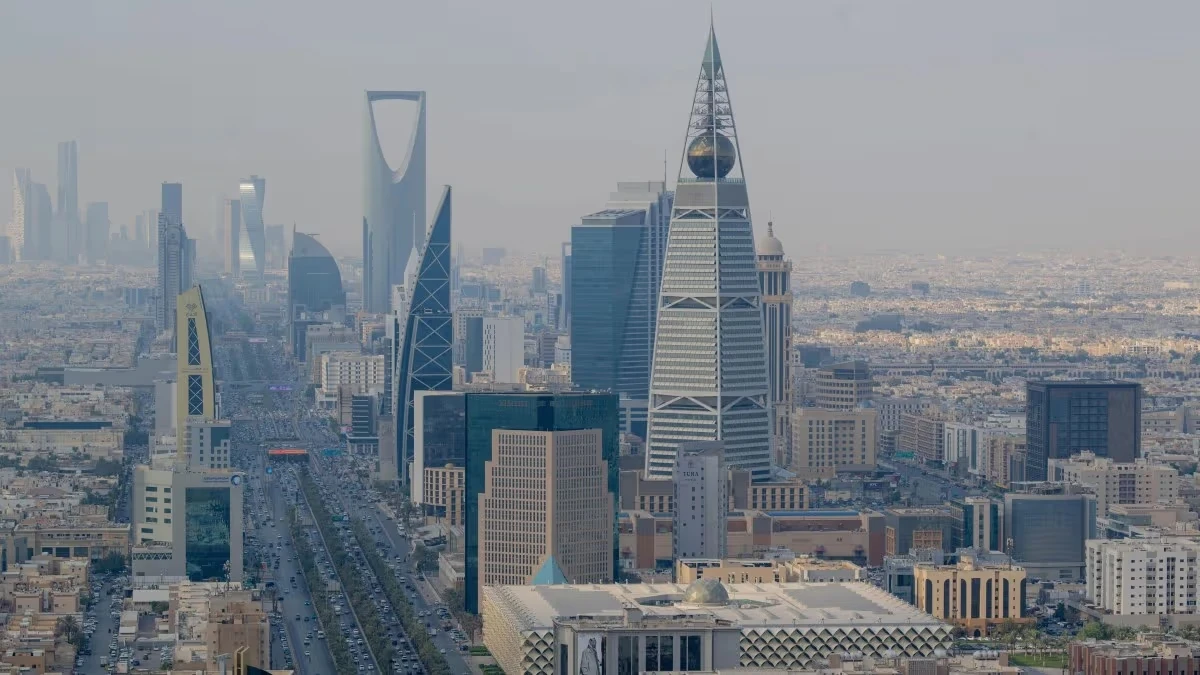
In Saudi Arabia, the market added 0.5 percent, gaining for four of the last five sessions since Thursday’s two-month low. The two heavyweight sectors were the main supports; the banking index climbed 0.7 percent and the petrochemical index gained 0.4 percent.
PetroRabigh, however, fell 0.3 percent after saying it had temporarily halted operations after a sudden cut in power and steam supplies. The petrochemical firm did not say when operations might resume.
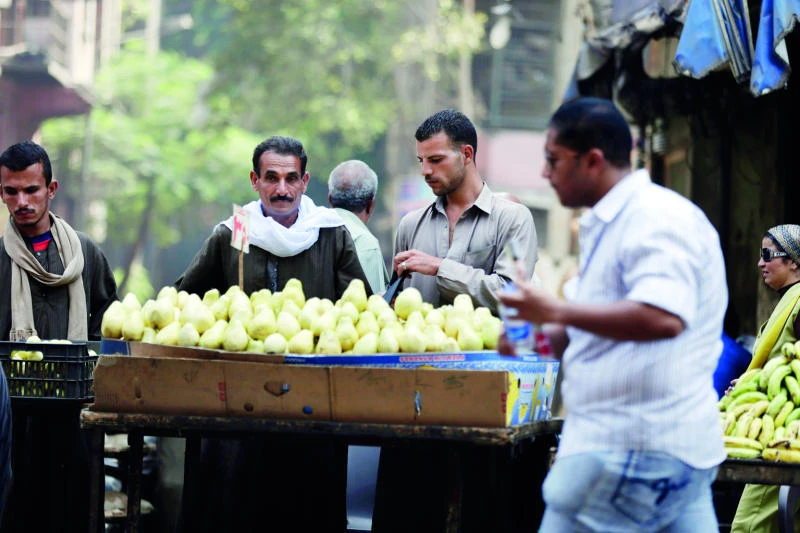
Elsewhere, Egyptian investment bank EFG-Hermes rose 1.7 percent to a three-week high. The firm said it would distribute one bonus share for each five owned on Sept. 30.
“Local and regional investors are the main buyers for the last few days,” said Amr Reda, assistant vice-president on the foreign sales desk at Pharos Securities in Cairo.
“We are on track for the economic and political roadmap, which is giving confidence to the market.”
Earlier this week, Egypt formed a committee to amend the constitution pushed through by deposed Islamist president Muhammad Mursi. The interim government, installed by the army after it overthrew Mursi on July 3, wants the panel to complete its work within 60 days.
The constitution would then be put to a popular vote and provide the basis for parliamentary and presidential elections and a return to civilian rule early next year.
Cairo’s benchmark index advanced 0.8 percent to 5,488 points, up for a fifth consecutive session since last week’s two-month low. It faces minor technical resistance around 5,500 points, which capped a rally in late August; stronger resistance is on the August peak of 5,682 points.
Gulf shares stay firm; Egypt exchange continues rally