Dubai will host the 10th session of the World Islamic Economic Forum 2014, one of the world’s largest gatherings to share knowledge, experience and expertise in Islamic economy.
The forum, which was launched in 2004, is attended by over 2,500 delegates from all over the world and helps businesses explore investment opportunities.
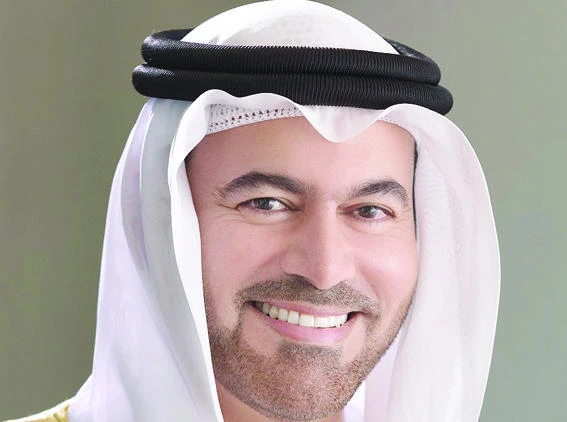
The announcement came during the opening day of the World Islamic Economic Forum 2013 in London being attended by a high-level Dubai delegation, headed by Mohammed Abdullah Al-Gergawi, chairman of the executive office of Sheikh Mohammed bin Rashid Al Maktoum, UAE vice president and prime minister and ruler of Dubai, and chairman of Higher Committee for the Development of the Islamic Economy Sector, and top government and Dubai Chamber of Commerce and Industry officials
“The selection clearly indicates Dubai’s ambitions in achieving global leadership in the area of the Islamic economy. It also reflects Dubai’s potential to make a huge success of global events and presents the emirate as a viable option for hosting major international forums and conferences,” said Al-Gergawi.
“Hosting of this global event is extremely important for Dubai’s status as a leading center of major events and conferences, especially after the launch of the strategic plan for developing the Islamic economy sector, which includes seven key pillars and 46 strategic initiatives, and will allow us to prove our organizing capabilities and status as a leading proponent of the Islamic economy,” Al-Gergawi added.
Hamad Buamim, president and CEO of Dubai Chamber of Commerce and Industry, said the wise vision of Sheikh Mohammed bin Rashid Al Maktoum was clearly directed toward bringing economic progress and prosperity to Dubai.
A study by Dubai chamber, meanwhile, recommended the adoption of standards and transparency and the creation of a region-wide regulatory body to enhance Dubai’s status as capital of the Islamic economy
According to a study by Dubai chamber, sukuk activity continues to gather pace in other less familiar western markets like Turkey, Jordan, Egypt and Sudan, and eastern markets like Indonesia, Hong Kong, Singapore, Bangladesh, Pakistan and China, while centers as far afield as Bermuda are now supporting sukuk.
Using the experience in the UAE, Dubai-based institutions are potentially well positioned to harness organic growth in these markets where Islamic products can appeal to the predominantly Muslim indigenous population, the research stated.
The study said investors concerned with Shariah-compliance in the GCC are increasingly looking to Asian markets, with particular interest in real estate and equity funds. Singapore and even China are increasingly willing to accommodate Shariah-compliant finance from the GCC, and India has a Shariah-compliant infrastructure fund.
According to the study, the strongest growth in the Islamic economy is likely to occur in previously untapped markets outside the GCC such as Turkey, the Levant and South East Asia where the large Muslim population provides a good base for growth. For example, there are numerous markets emerging in Africa in countries which were previously considered under-banked.
Issuing sukuk is becoming more common place.
This is being assisted by the issuance of banking licenses and pent-up demand. Last year, Nigerian authorities issued a license to an institution to operate as a full-fledged non-interest financial institution (NIFI), while other conventional banks were allowed to open a non-interest banking window. Nigeria aspires to be the hub of Islamic finance of Africa despite the strong appearance of South Africa and Kenya into the fray.
These developments pose a challenge to operators, regulators and investors alike.
Making Dubai a hub for the Islamic economy, and markedly the exchange for sukuk may be a possible growth avenue, however, it is likely to be met with competition from other countries such as Malaysia who are also operating in the Islamic economy foray, the study finds. Approximately, half of all the sukuk issued in 2012 originated in Malaysia.
Knowledge, expertise in Islamic economy to dominate WIEF sessions